
Livestream Menu Make It select USA INTL Livestream Search quotes, news & videos Livestream Watchlist SIGN IN Create free account Markets Business Investing Tech Politics & Policy Video Watchlist Investing Club PRO Livestream Menu
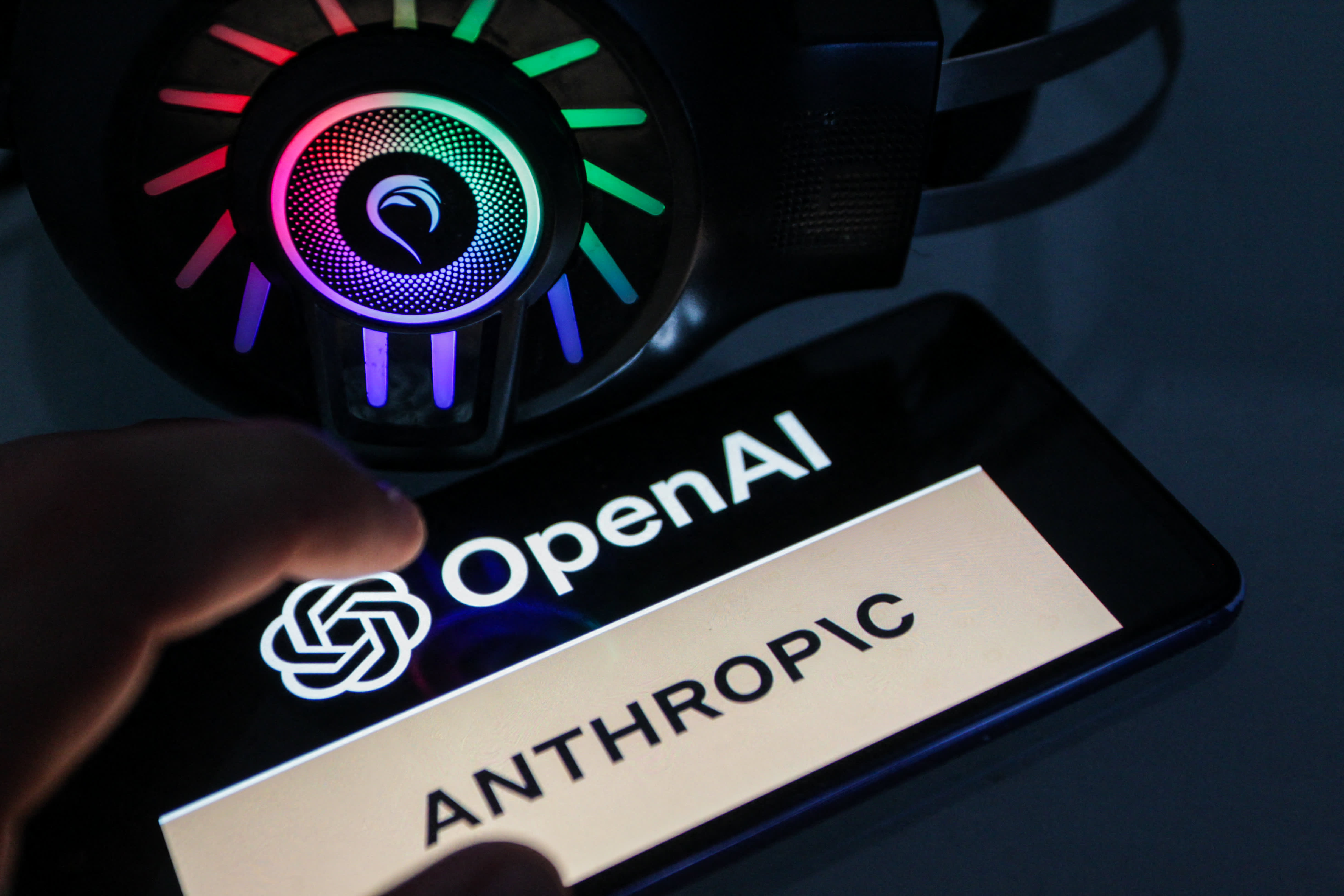
OpenAI CEO Sam Altman now says his company will not go public this year, citing growing concerns about AI safety. In an interview with Fortune published Saturday , Altman said that an IPO now would be "ill-advised." The decision pushes one of the most anticipated IPOs in history until at least 2027 and gives the clearest sign yet that mounting concerns about increasingly powerful AI are beginning to reshape the industry's business plans.
OpenAI CFO Sara Friar told employees just last month that the company would likely go public in 2027 or even sooner, if "our business continues to inflect." Altman's comments came on the same day that Anthropic CEO Dario Amodei published an essay urging AI companies to slow how quickly they improve their most advanced models. Altman and Elon Musk quickly backed the proposal in social media posts, an unusual show of agreement among three fierce rivals. In his essay, Amodei proposed a three-step plan aimed at tempering the pace of development without "sacrificing commercial advantage or the United States' lead in AI." Anthropic is actively gearing up for what is expected to be a historic IPO , though the company has not officially disclosed when it plans to debut. The sudden alignment among Altman, Amodei and Musk shows how quickly concern over AI has moved from the margins to the center of the industry — and is now beginning to collide with its enormous commercial ambitions.
The essay urged artificial intelligence companies to pace how quickly they improve model capabilities. The move comes amid a growing chorus of researchers calling for a coordinated deceleration.
Amodei proposed a three-step plan that he said will help temper the pace of development without "sacrificing commercial advantage or the United States' lead in AI," though he conceded that some steps may be easier to achieve than others.
Pressure is building in Washington, where lawmakers in both parties are calling for new AI safeguards and demanding tech leaders testify after a rash of cyberattacks were carried out without direct human control.
Beyond the nation's capital, state and local officials are also confronting growing outrage against AI data centers and their demands on power, water and communities. With midterm elections approaching, AI is becoming a key issue for both parties.
Anthropic has "unilaterally" committed to the first step of the plan, Amodei said, which grants third-party evaluators employee-level access to the company to verify safety practices and report incidents. The second step encourages leading AI companies within democratic countries to coordinate and establish common safety standards, and the third calls for coordination between democratic governments and authoritarian governments.
"To be clear, pacing does not mean halting model training or technical progress, but ensuring companies take adequate time to align and safeguard their models, and for third party evaluators to confirm this," Amodei wrote.
The essay landed after an Anthropic researcher set off a firestorm on social media this week by announcing he quit his job at the company. Jacob Coxon, who has also worked as a researcher at Anthropic's chief rival, OpenAI, said he resigned out of co…