
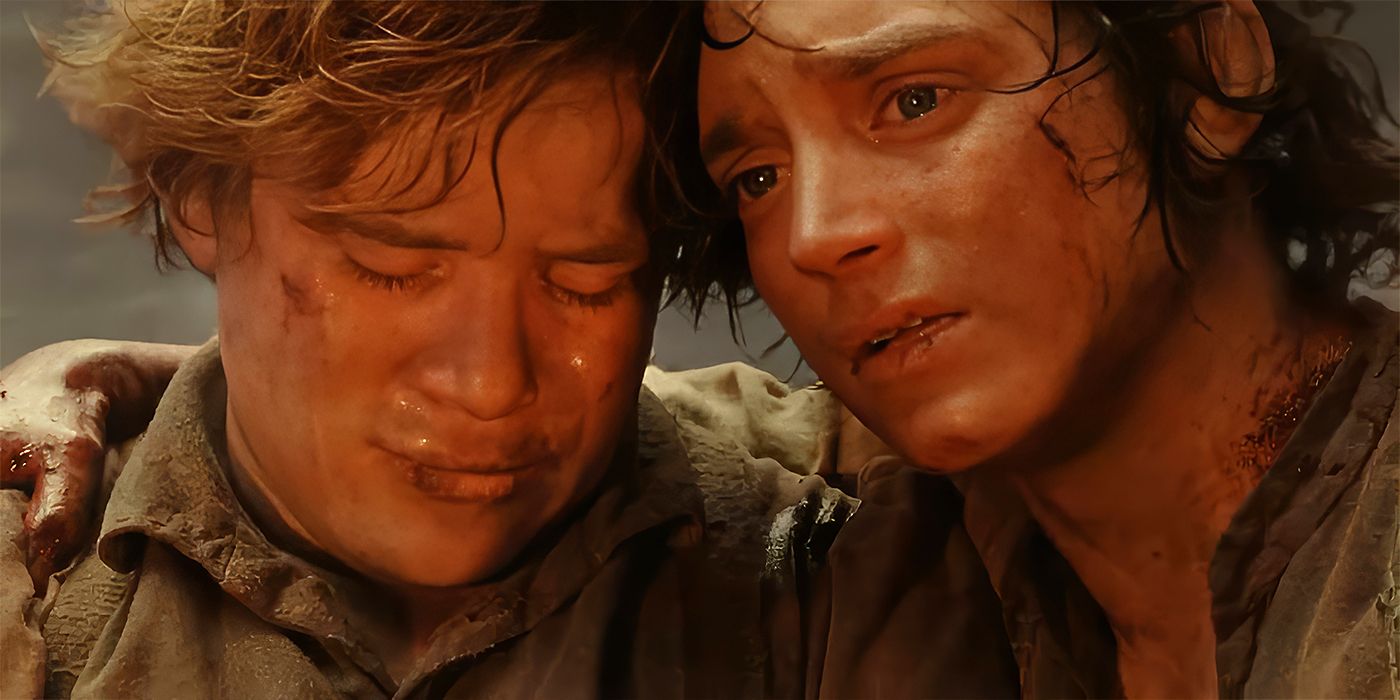
Frodo hugging Sam on Mount Doom in 'Lord of the Rings - Return of the King'. Image via New Line Cinema By Anthony Crislip Published Sep 15, 2026, 12:05 AM EDT Anthony Crislip has always loved movies and television, and has been published in outlets such as SlashFilm and Ultimate Classic Rock. While working as a film programmer or judge at a film festival, he has striven to develop interest in underseen films. He is a particular fan of digging deep into forgotten corners of film history. Sign in to your Collider account Add Us Add on Google Preferred Source Google News Summary Generate a summary of this story Like Like follow Follow followed Followed Listen Thread Log in Here is a fact-based summary of the story contents: Try something different: Show me the facts Explain it like I’m 5 Give me a lighthearted recap Peter Jackson ’s Lord of the Rings trilogy represents some of the finest blockbuster filmmaking of the 21st century. The director’s vision balanced the epic scale of J. R. R. Tolkien ’s fantasy saga with a light, humanist touch (as well as plenty of the gross-out jump scares that Jackson mastered with early films like his Muppets parody Meet the Feebles ). In the trilogy, the human element is closely tied with the story of the four hobbits who leave their home in the cozy, provincial Shire to face certain death in exchange for defeating the great evils that haunt Middle Earth. The first film of the trilogy, 2001’s Fellowship of the Ring , sets its opening moments in the Shire, and those scenes become very important the further the characters get from home. As the movies go on, the hobbits face monsters, enter war zones, and find themselves spiritually tormented, leaving the Shire as just a memory.
Tolkien’s original Lord of the Rings concluded with a brief fight to reclaim the Shire after it too was sucked into the vortex of war, which was ultimately cut from the films because 2003’s conclusive Return of the King already had a long and unwieldy epilogue. But the novels and the films end the same way, with gardener Samwise Gamgee ( Sean Astin ) returning to his home after tearfully seeing off Frodo ( Elijah Wood ), taking in the scene of his wife and children, and saying, “Well, I’m back.” Sam’s famous declaration put the focus of the series ultimately back on the hobbits, on the gravity of returning home after trudging through life-threatening danger for the greater good. Returning to the Shire doesn’t necessarily heal the wounds the characters experienced, or the ones still to come.
Samwise carrying Frodo up Mt. Doom in The Lord of the Rings: The Return of the King (2003) Image via New Line Cinema While Frodo is the character initially tasked with carrying the One Ring to its resting place in Mount Doom in Fellowship of the Ring , he doesn’t have the combat chops of Legolas ( Orlando Bloom ) or Gimli ( John Rhys-Davies ). Nor does he share the hidden dignity of Aragorn ( Viggo Mortensen ). He’s not a hero but a hobbit, with the weight of the world resting around his neck. When the Fellowship breaks apart after the death of Gandalf ( Ian McKellen ) in the first film, he and Sam are left to their own devices to trudge through to Mount Doom. The nature of their journey makes the war more abstract for them — they are often too distant from the action to really observe it, with the exception of the climactic moment in The Two Towers in which they have to fight their way through the wartorn Osgiliath.
By the end of Return of the…