
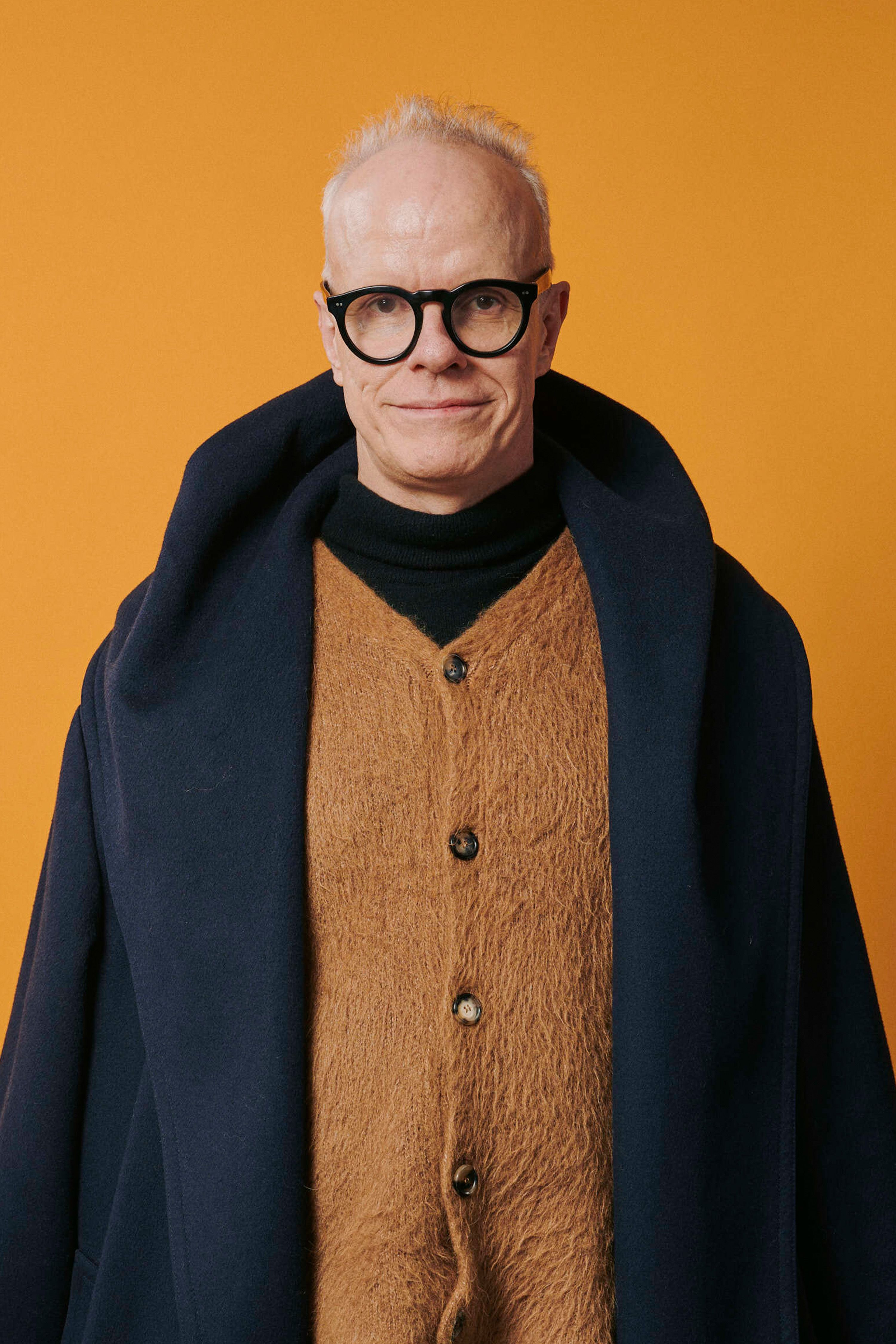
Hans Ulrich Obrist, the Serpentine’s artistic director, art curator, critic and historian. Photo: Courtesy of the Serpentine Save Story Save this story Save Story Save this story As generative AI has become better at producing convincing — if not hyper-polished — images, video and other creative work in the past year, the debate around its role in culture is moving beyond whether artists should use it. More pressing questions are emerging around authorship, ownership and creative control — and whether artists can help shape the technology itself, rather than simply respond to it.
London’s Serpentine gallery is now inviting artists to interrogate these questions. This month, the institution launched its inaugural Future Art Ecosystems R&D (research and development) Fellowship, a six-month research program supported by The Glass Castle Foundation, bringing artists and technologists together to investigate how AI is reshaping cultural production, institutions and public life. Selected from more than 1,000 global applicants, the four selected artists — Alfredo Salazar-Caro, Alice Bucknell, Auriea Harvey and Reina Mun — will spend the next six months investigating AI, ownership and authorship, with their research feeding into conversations across the technology industry, academia and policy.
The Serpentine has been commissioning artists and developing research around emerging technology since it launched its Arts Technologies program in 2014, but this is the first fellowship the gallery has launched dedicated to R&D in the area.
“The fellowship is founded on the belief that artists are not simply observers of technological change, but essential contributors to it, creating opportunities for practitioners to shape wider conversations about how emerging technologies are governed,” the Serpentine Gallery said, adding that the artists were selected for their approach to the tech “not as a finished product, but as an unsettled terrain whose assumptions, limits and possibilities need to be redrawn.”
Few people have watched the relationship between art and technology evolve from as close a vantage point as Hans Ulrich Obrist, the Serpentine’s artistic director, art curator, critic and historian. Vogue Business sat down with Obrist to discuss what AI means for image-making, its implications for creativity, and what role creatives should play in shaping how AI develops.
Vogue: The Serpentine Gallery has been exploring AI and emerging technology for more than a decade. How has that work evolved, and what does this new R&D fellowship add?
The Serpentine Gallery has been looking into AI for around 12 years, which is why we started the [Art Technologies] project. We’ve had several exhibitions, including those by Pierre Huyghe, Ian Cheng, Refik Anadol, and Holly Herndon and Mat Dryhurst, who explored AI as a coordination technology for creatives in their 2024 exhibition The Call. We’ve also built up a dedicated arts and technologies team of eight people over the years — a lot for the size of the organization. I think that demonstrates our commitment to exploring art and tech, which is a huge priority for us.
The Call, by Holly Herndon and Mat Dryhurst, explored ethical ways of sharing creative works and datasets with AI, at the Serpentine in 2024.
But we’ve always felt it’s extremely important that there’s an R&D dimension to our explorations of technology. R&D within the art practice involves both backend applications of tech and explorations of…