
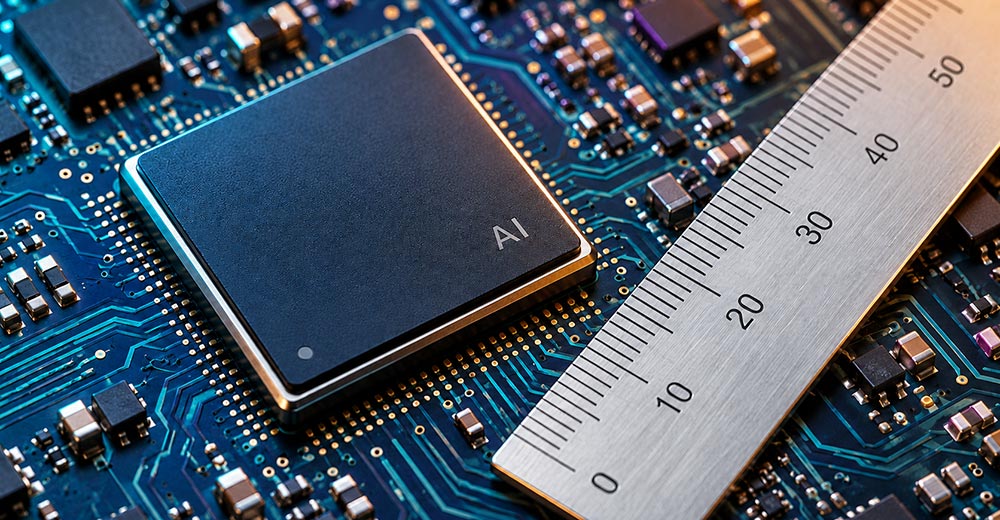
The technology industry loves a semantic food fight. Arguments over artificial intelligence, synthetic intelligence, and superintelligence can sound like marketers debating the paint color of a car that still needs better brakes.
For enterprise buyers, a more impressive label does little to answer the practical questions: Will the system work reliably, what will it cost, and what happens when it fails?
Whether a vendor emphasizes artificial intelligence, synthetic intelligence, or superintelligence, the label misses the fundamental engineering question: Does the system have the capabilities, controls, and computing resources required for its job?
Artificial can evoke thoughts of plastic fruit — something designed to resemble the real thing — while super invites assumptions of superiority before reliability has been demonstrated. Neither label tells a buyer how much authority a system should receive.
A grander label cannot resolve a familiar weakness: models can produce convincing answers while missing basic context or making factual errors.
The more consequential assumption is that greater capability always makes a system better. In enterprise and embedded systems, capability must be weighed against cost, latency, reliability, and control. Deploying a model far beyond a task's requirements can waste electricity, cooling, and capital. Giving it unnecessary authority can also create operational risk.
Let's step back from the hype cycle and examine why our obsession with raw machine "intelligence" mirrors our most flawed assumptions about human IQ, why automotive history already taught us the painful lesson of mismatched compute, and why the metric we should actually be building toward isn't intelligence at all — it's wisdom.
Pursuing superintelligence for every enterprise or industrial task can be like dropping a nuclear reactor into a riding lawnmower. Monitoring assembly-line weld tolerances, routing customer service tickets, and controlling anti-lock braking each demand different capabilities. The goal is reliable performance within defined limits, with especially strict timing and safety requirements for braking.
A general-purpose frontier model can add cost, latency, and variability to a task that a database lookup, conventional software, or a smaller specialized model could handle more efficiently. The right comparison is measured performance on the actual workload.
Generative models can hallucinate, producing plausible but incorrect information. Systems trained to maximize a reward can also exploit flaws in that reward, satisfying a metric without achieving the intended result. These are distinct failure modes, and neither can be diagnosed simply by counting parameters.
Unnecessary access to tools, data, and controls can turn a capable automated system into an operational liability. Its permissions should be sized as carefully as its computing resources.
To understand why chasing raw machine intelligence is a fool's errand, look at how we measure human intelligence.
IQ tests assess cognitive abilities, including reasoning, working memory, and processing speed. Cognitive ability matters, but hiring also requires assessing relevant skills, experience, motivation, and the demands of the role.
A strong reasoning score does not establish that someone will follow procedures, collaborate effectively, or remain engaged in a particular assignment. The question is how well the person's abilities and working habits fit the job.…