
Home Banking Middle East Conflict Opens New Shipping Opportunities for Africa
As ships bypass the Red Sea, increased traffic around the Cape of Good Hope could benefit African economies.
The ongoing conflict with Iran in the Strait of Hormuz and attacks by the Houthis, a Yemen-based militant group, in the Bab el-Mandeb Strait have forced many shipping companies to explore alternative routes around Africa. While the financial and operational costs are significant, the shift presents new economic opportunities for African countries, particularly those positioned to serve the growing volume of maritime traffic.
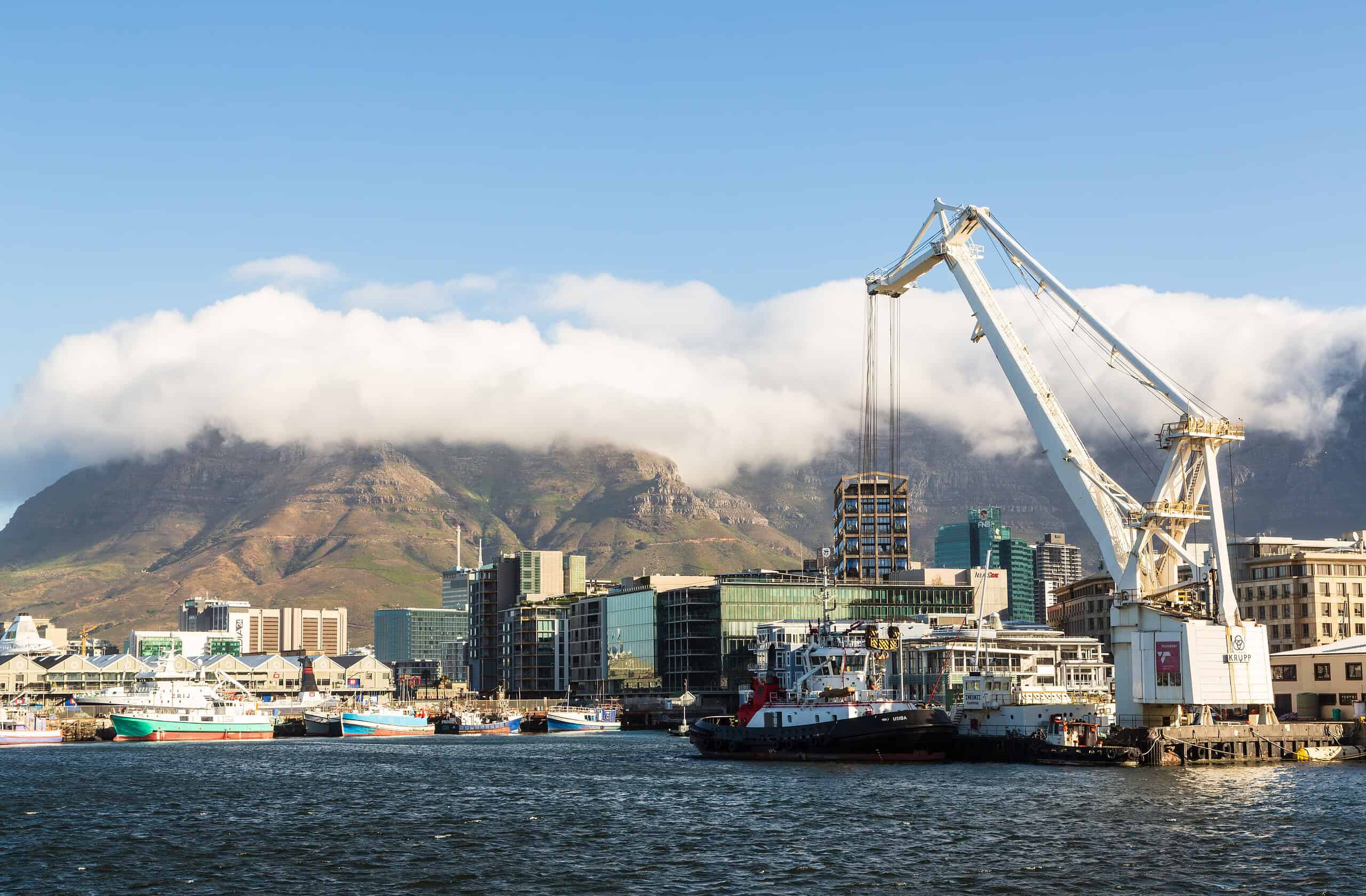
The main detour causes international shippers to bypass the Red Sea and the Suez Canal corridor, traveling around the southern tip of Africa past the Cape of Good Hope. This longer route can add up to two weeks to a trip from Europe to Asia, increasing energy and shipping costs.
The Cape of Good Hope was already one of the world’s busiest sea routes before recent developments, driven by the conflict with Iran that began in February 2026. According to the U.S. Energy Information Administration (EIA) World Oil Transit Chokepoint Report , released in March 2026, approximately 9 million barrels per day of crude oil and petroleum products pass around the Cape of Good Hope, accounting for 11% of global seaborne oil trade.
Despite the additional shipping time and cost, many major container operators still chose to divert mid-voyage from the original Suez Canal route because of ongoing threats and blockades, as the Houthi forces continue to advance along the Red Sea coast and target regional maritime traffic.
The increase in traffic around Africa, and more specifically around the Cape of Good Hope, provides various African countries with new economic and diplomatic opportunities. The main economic benefits stem from the expenses and services associated with the new shipping routes.
First, the Institute for Strategic Studies Africa 2026 Report highlights that most vessels do not call at South African ports. These ports can offer international shippers key high-value services, including ship repair and maintenance, crew changes, resupply, and medical support. While major South African and Namibian ports, such as Durban and Walvis Bay, can provide a full range of services and logistics connectivity for this new traffic pattern, other countries, such as Kenya and Mauritius, can also connect this traffic to the Indian Ocean shipping needs.
Second, global pressure to replace shipping fuel with more sustainable, environmentally friendly alternatives is creating strong renewable energy markets and green hydrogen potential in African nations, along with an opportunity to capitalize on this shift. A recent report by the European Council on Foreign Relations shows that countries such as Morocco and Kenya can serve as major marine refueling hubs. As trade and investment in renewable energy have become a diplomatic currency in Africa, the ability to influence shippers’ emissions can strengthen diplomatic relations among relevant nations.
Finally, as almost 70% of the previous Red Sea freight has been rerouted around South Africa, according to the Center for Security and International Studies, African nations like Djibouti are becoming key players in the new maritime security space. These nations can offer foreign nations improved physical and technological maritime security and use it to advance negotiated diplomatic and commercial goals.