
Top hair professionals and friends of Bazaar share their tips on transitioning to your natural roots in style
Every product on this page was chosen by a Harper's BAZAAR editor. We may earn commission on some of the items you choose to buy.
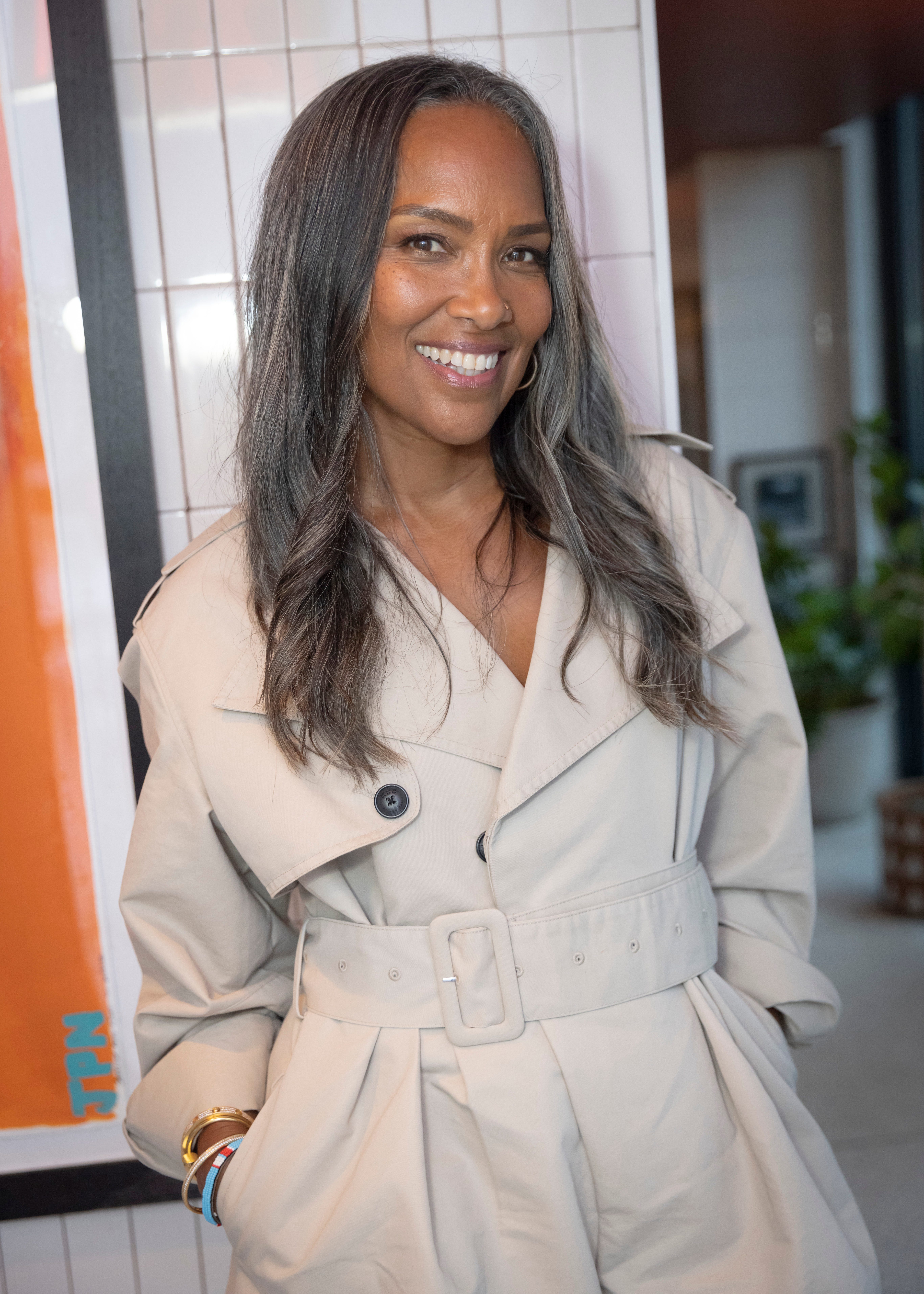
Acclaimed producer, writer, and showrunner Mara Brock Akil began going gray slowly, right before she turned 30. Akil first noticed a few gray hairs while working on the set of her hit show, Girlfriends .
“I love telling this story,” the producer tells Bazaar . “I was 29, and there were five of them, literally five, and I used to joke that they were named Tracy, Golden, Persia, Jill, and Reggie. I was producing Girlfriends , and I've since learned I was the youngest showrunner then, and you don’t know sometimes—naïveté—but you jump into this role not realizing how intense it was, what I was really taking on. What it takes to produce these ideas, these stories, and I saw five gray hairs at 29, and I was like, ‘What the heck?’”
No matter your age, when you notice pigment loss in your hair follicles, the shift from your natural brown, blond, or red hair to gray or silver can feel jarring and unexpected. It’s no secret that gray hair often has a negative connotation, with the shade being viewed as a sign of old age and reduced vibrancy, though that isn’t always the case. According to the American Academy of Dermatology , hair typically starts graying in midlife, usually in your 30s and 40s, and is often triggered by stress, oxidative damage, or genetics. “My hair started turning gray in my mid- to late thirties, pretty much after I became a mom,” says celebrity makeup artist Pati Dubroff . “I think there has been, and maybe still is to some extent, a stigma that women with gray hair are ‘over the hill,’ or that going gray is aging and somehow takes away your youthfulness. I don’t believe that.”
Because gray hair is often wiry and fragile, a consistent, effective care routine is key to maintenance, whether you have a few noticeable strands or a full head of silver. Celebrity colorist Kadi Lee , who works with stars like Julia Roberts, Gwyneth Paltrow, and Meghan, Duchess of Sussex , as clients, says that when transitioning hair, it’s important to keep strands strong and hydrated, since they likely carry two different textures at once.
“Deep conditioning should be a regular part of the routine, since regrowth is more porous and needs consistent moisture,” she says. “Our Instant Silk Vitality Mask delivers hydration without weighing down newer growth. Scalp care is also vital during transitional periods since healthy regrowth starts at the follicle, so our Root Replenish Active Growth Serum helps support hair through that process.” Lee also advises those transitioning to gray to avoid products with too much protein, as the ingredient can weigh down hair and sometimes even cause delicate strands to snap.
When transitioning from professional or box-dyed hair color to gray or silver shades, experts say you don’t necessarily need a “big chop” to speed it up. “A cut can help remove some of the older color, but each person is different,” continues Lee. “I generally lean toward a gradual approach instead, using regular trims to slowly cut away processed ends while glosses or temporary color ease the visual transition in the meantime.” Temporary color, which deposits pigment on the surface of hair, and hair glosses, like dpHue’s Color Boosting Gloss+ Deep Conditioning Treatment , add a sheer layer of tone and…