
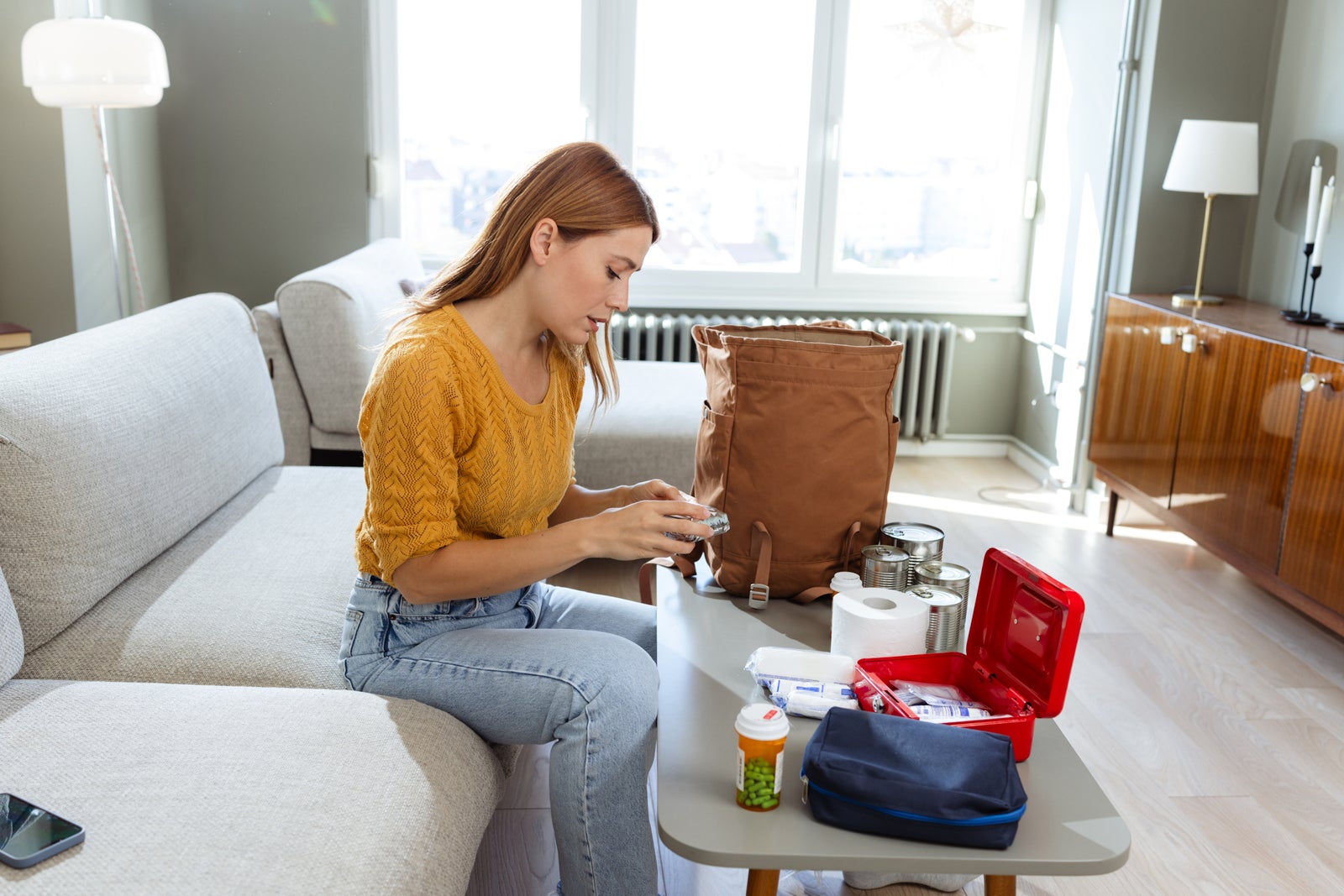
Oct. 19, 2026 • 6 min read Jump to section Facebook Twitter LinkedIn Copy URL Email The cards we feature here are from partners who compensate us when you are approved through our site, and this may impact how or where these products appear. We don’t cover all available credit cards, but our analysis, reviews, and opinions are entirely from our editorial team. Terms apply to the offers listed on this page. Please view our advertising policy and product review methodology for more information. One way to ensure your vacation goes smoothly is to be prepared for anything — including illnesses , weather and hotel evacuations . Minor injuries and ailments are another risk. That's why we recommend taking a portable first-aid everywhere you go.
If you get sick or hurt while abroad, having the right remedies on hand can save you the hassle of searching for a drugstore in a foreign place — and, in some cases, even save your life.
Here are some basic items to pack in your travel first-aid kit so you'll never be caught off-guard.
Travelers with severe allergies are probably accustomed to packing prescription antihistamines or an Epi-Pen wherever they go. But even if this isn't you, you never know when you may encounter a new type of pollen or get a bad reaction to an insect bite while traveling. Or, like me, you might learn the hard way that you're allergic to a new brand of sunscreen on the first day of your beach vacation (yikes).
Ever since that experience, I always bring a supply of over-the-counter allergy pills and antihistamine eye drops, plus anti-itch cream for heat rashes, bug bites and the like.
Band-Aids, Steri-Strips, butterfly bandages and hydrocolloid plasters can come in handy for minor cuts and scrapes. I keep an emergency supply in my carry-on, and rarely a trip goes by that I don't break into it, whether for a passport paper cut or hiking-induced blisters.
Not only will the right bandage make you a lot more comfortable (so you can actually enjoy your trip), it can also help prevent infection (so you won't end up spending your vacation in an emergency room).
Before applying any bandage, be sure to clean the wound first. Liquids like rubbing alcohol antiseptic sprays could be tricky to get through airport security, so go for antiseptic wipes instead.
If you or a traveling companion suffer a more severe injury and are bleeding significantly — especially if you're out in the wilderness — one of these could buy you time while help arrives.
Daily Newsletter Reward your inbox with the TPG Daily newsletter Join over 700,000 readers for breaking news, in-depth guides and exclusive deals from TPG’s experts Email address Sign up Submitting... By signing up, you will receive newsletters and promotional content and agree to our Terms of Use and acknowledge the data practices in our Privacy Policy . You may unsubscribe at any time.
Hemostatic gauze is treated with chemicals that encourage blood coagulation, or clotting. Instead of placing it over a wound, pack it tightly inside the wound and apply firm pressure.
Meanwhile, an emergency trauma dressing, also known as an Israeli bandage, has a locking bar to apply 40 pounds of pressure. Just make sure you read the instructions and understand how to use it properly before adding it to your first-aid kit.
Dehydration can strike anywhere, whether you're sightseeing during a heat wave or suffering through a long-distance flight in economy.
Many T…