
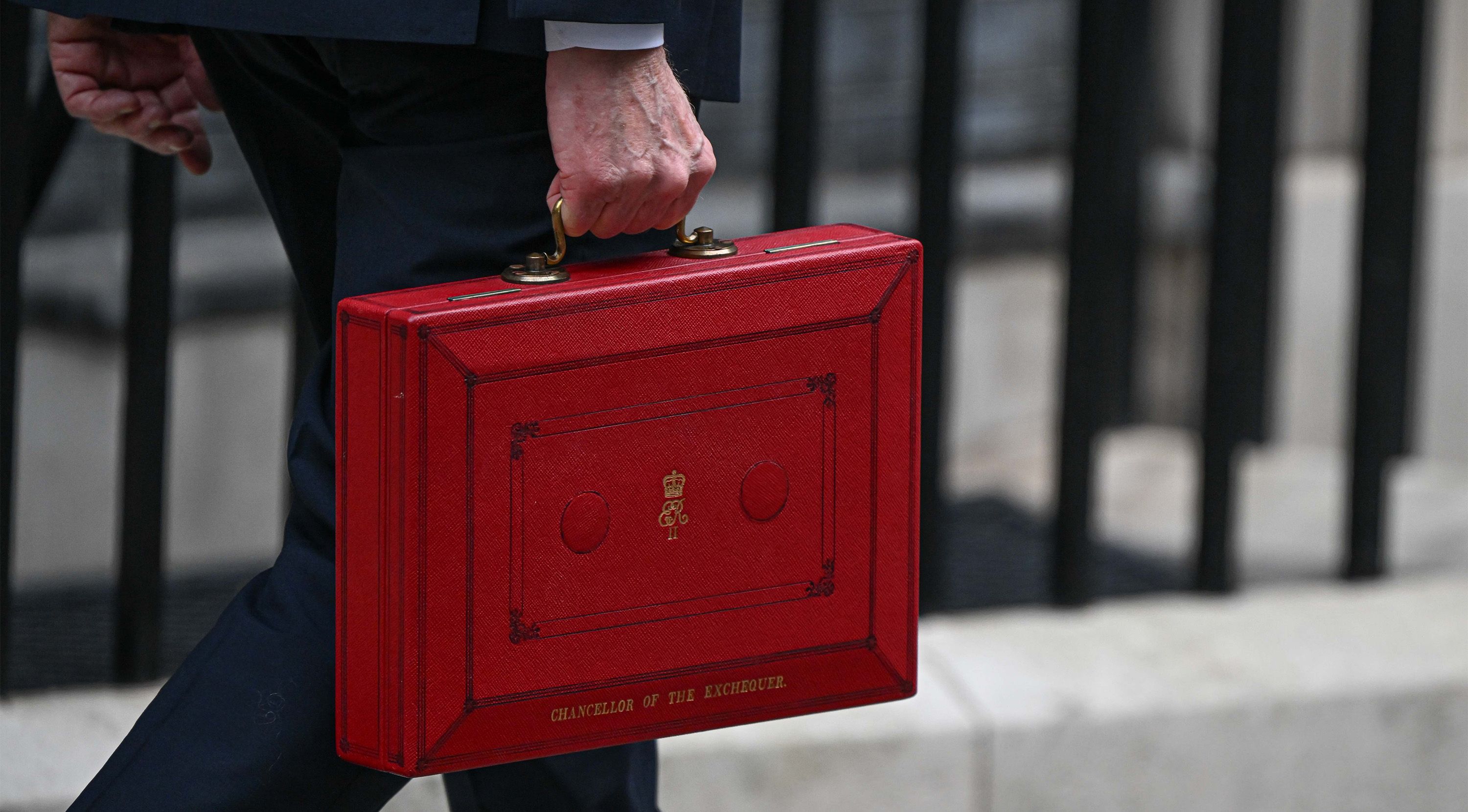
Chancellor of the Exchequer John Healey holding the traditional red budget box outside 11 Downing Street. Photo: Getty Images Save Story Save this story Save Story Save this story A lot happened in fashion during Andy Burnham’s first 101 days as UK prime minister. Frasers Group bought Harvey Nichols, McQueen and Mulberry returned to London Fashion Week (LFW), and Marks and Spencer celebrated its fashion centenary. But the most important moment arrived on Wednesday: the Budget, an annual outline of fiscal spending in Britain.
The 152-page “Red Book” has garnered a lukewarm response from fashion insiders, deemed as a “first, do no harm” budget — playing it safe, rather than exacerbating current economic issues — that leaves many of the promises made by Burnham pending. “Our reaction overall is that it’s not as damaging as the previous two years, because there’s been no major announcements on extra costs,” says Andrew Goodacre, CEO of the British Independent Retailers Association (Bira), comparing it to the significant increase in business rates last year.
In his first PM speeches, Burnham proposed a great high street renaissance , as well as a decentralization of British business , both chiming with the recent moves put forward by the British Fashion Council (BFC) in its 2030 strategy . To this aim, Burnham established a Manchester office for the Cabinet and the Prime Minister, Number 10 North, as one of his first acts.
Prime Minister Andy Burnham leaves 10 Downing Street prior to the Budget’s delivery.
The Budget addresses the boarded-up high street crisis seen across provinces directly, increasing the small business rates relief threshold from £12,000 to £18,000 across retail, hospitality, and leisure sectors. “Today, I’m taking action to support our high streets,” said John Healey, Chancellor of the Exchequer, in his budget delivery. In practice, this means 70,000 businesses will no longer pay business rates.
The new policies come at an urgent moment. Insiders feel that the UK’s fashion sector has been crying out for help, despite the estimated £67.5 billion contribution to the UK economy and the 1.4 million jobs it supports, per the BFC. This appetite for change was palpable during LFW Spring/Summer 2027 — a season of renewed energy but also resilience.
The Mayor of London, Sadiq Khan, also addressed this in his remarks at the BFC’s LFW breakfast. “One of the reasons we support the British Fashion Council is we see it as an investment,” he said, reiterating the industry’s role in creating jobs and supporting businesses. “London Fashion Week is a showcase of our city. It’s about our culture, creativity, values, [and] innovation. You’ve had a tough few years, so thank you for persevering.”
For now, the Budget leaves many fashion businesses wanting more. Burnham has billed himself as “pro-business”, but experts claim his new policies will only benefit a select segment of the fashion industry. “£18,000 is not a lot of money,” says Goodacre. “It represents small boutiques, small shops, and newsagents.”
Granted, the Budget will ease the burden on founders thanks to a dedicated entrepreneurs’ capital gains tax relief scheme, promising a reduced 10% rate on up to £10 million of lifetime gains. The objective is to encourage riskier, high-growth businesses — a positive for the growing cohort of micro-brands that have gained traction fast in the past decade. However, the cost of doing business for the majority of retailers hasn’t improve…