
H alloween has become a gargantuan celebration. In September, October and sometimes even August, shops fill with orange plastic pumpkins and themed food , and houses are decorated with giant cobwebs and blow-up ghouls.
“I wonder what exactly we are celebrating when we buy this stuff?” asks Dr Marion McGarry, historian and author of Irish Customs and Rituals. “In Ireland , we have the most splendid set of customs and rituals to tap into. We should be really proud of them.” McGarry wishes we would forgo the “future landfill” in our shops and lean back into Irish traditions stretching back thousands of years, many of which centred around food.
In ancient Ireland, the year turned on four major seasonal festivals: Imbolc in spring, Bealtaine in summer, Lughnasa in autumn and Samhain . Marking the start of winter, Samhain was the rural end of the year, and with the harvest gathered and animals slaughtered, it was naturally a time of feasting.
The changing season, and the shift from light to dark, also carried the belief that the veil between the living world and the otherworld grew thin, allowing fairies, spirits and púcaí (shape-shifting tricksters) to walk among us. Many of the Halloween traditions we still celebrate today grew from Samhain: storytelling, food and divination rituals.
These traditions travelled with the Irish as we emigrated around the world, particularly to America. The irony, McGarry says, is that we brought them back in a much more Americanised form. “We exported our customs, and we’ve imported them back with a big American flavour. Lots of pumpkins, and dressing up in themed costumes.”
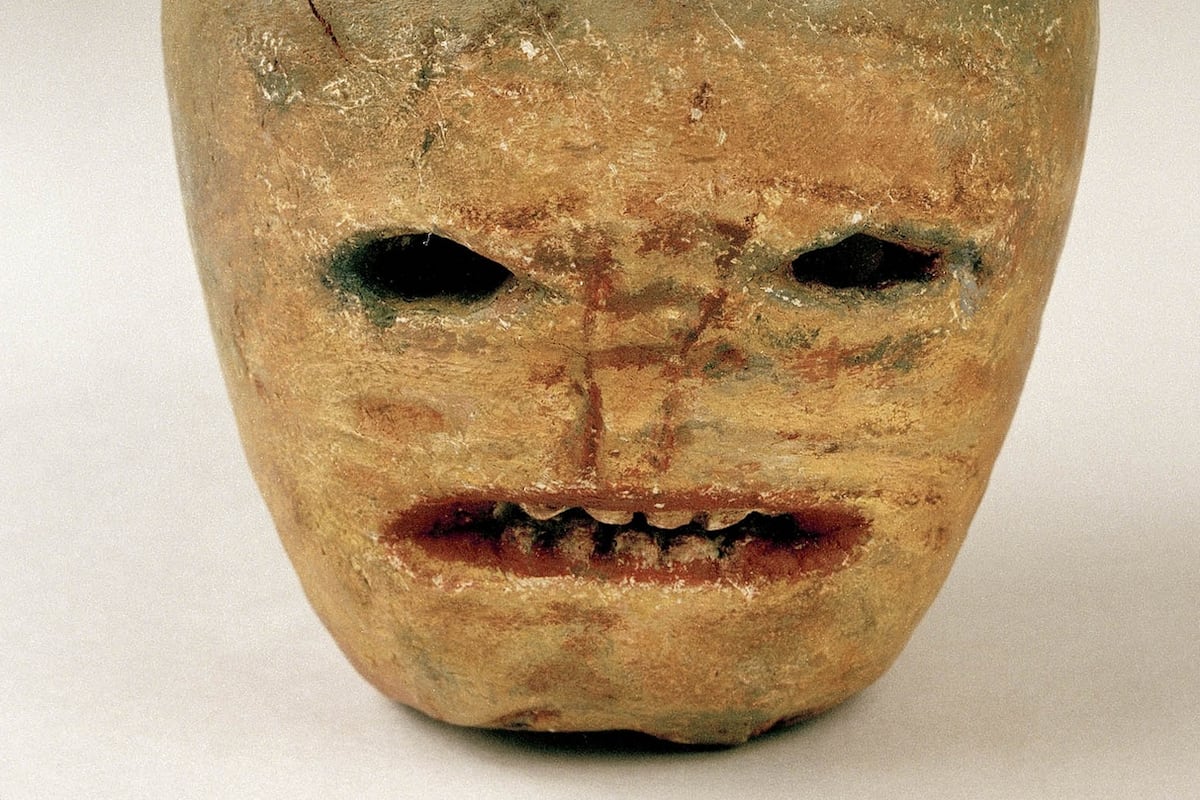
The Samhain tradition was to carve a face into a turnip, place a lump of burning coal or a sod of turf inside it, and leave it outside to ward off ghouls. When the Irish brought the custom to North America, pumpkins, which were much easier to carve, were substituted for turnips. McGarry also mentions the folk tale of Jack O’Lantern, which inspires many spooky pumpkins to this day. “The story goes that Jack was so stingy and mean that he was refused entry to both heaven and hell. Instead, the Devil gave him a lantern to light his way as he wandered through the darkness for eternity.”
Spooking evil spirits was a big part of the festivities. Food writer Margaret Hickey explores this in her book Ireland’s Green Larder: The Story of Food and Drink in Ireland, describing how people feared that children might be taken by fairies or other spirits, and used food-related charms to protect them. One involved rubbing salt and oatmeal on the crown of a child’s head, while babies might be given a spoonful of oatmeal or a small lump of butter slipped into their mouths.
Children also dressed up in masks and costumes, using whatever they could find. Terrifying disguises were preferred, a far cry from today’s Disneyfication. They went from door to door, knocking at neighbours’ houses, where they were given some of the harvest bounty – treats such as apples, hazelnuts and blackberries. This eventually evolved into trick-or-treating, although today’s version owes much to US depictions of Halloween on our screens over the past few decades.
[ Why Halloween pumpkins are smaller this year, and three viral hacks to carve them Opens in new window ]
Long before we turned to scary movies for a Halloween fix, parlour games were a big deal and apples featured heavily. In snap apple, an apple is hung from a string while blindfolded players try to catch it with…