
Most people understand that operating restaurants is a draining business. Hours are endless, the pressure relentless. In the best of times margins are negligible, in these parlous ones, missiles fired far away can send the price of both Brent Crude and extra-virgin oils sky high. Amid it all, Jules Mak just keeps going.
Not content with the success of his upscale Mexican spot Parrilla ( a recent addition to the Michelin guide ), the chef-patron has shuttered his eponymous dim sum stalwart Mak to transform the space into Fuoco, an (ostensibly) Italian restaurant. He is clearly something of a polymath. With Mak now operating as a Chinese takeout spot nearby, the Jules Mak empire thus extends to no fewer than three restaurants in Ranelagh village. The south Dublin enclave has steadily developed its own dining ecosystem, made fertile by a moneyed microclimate.
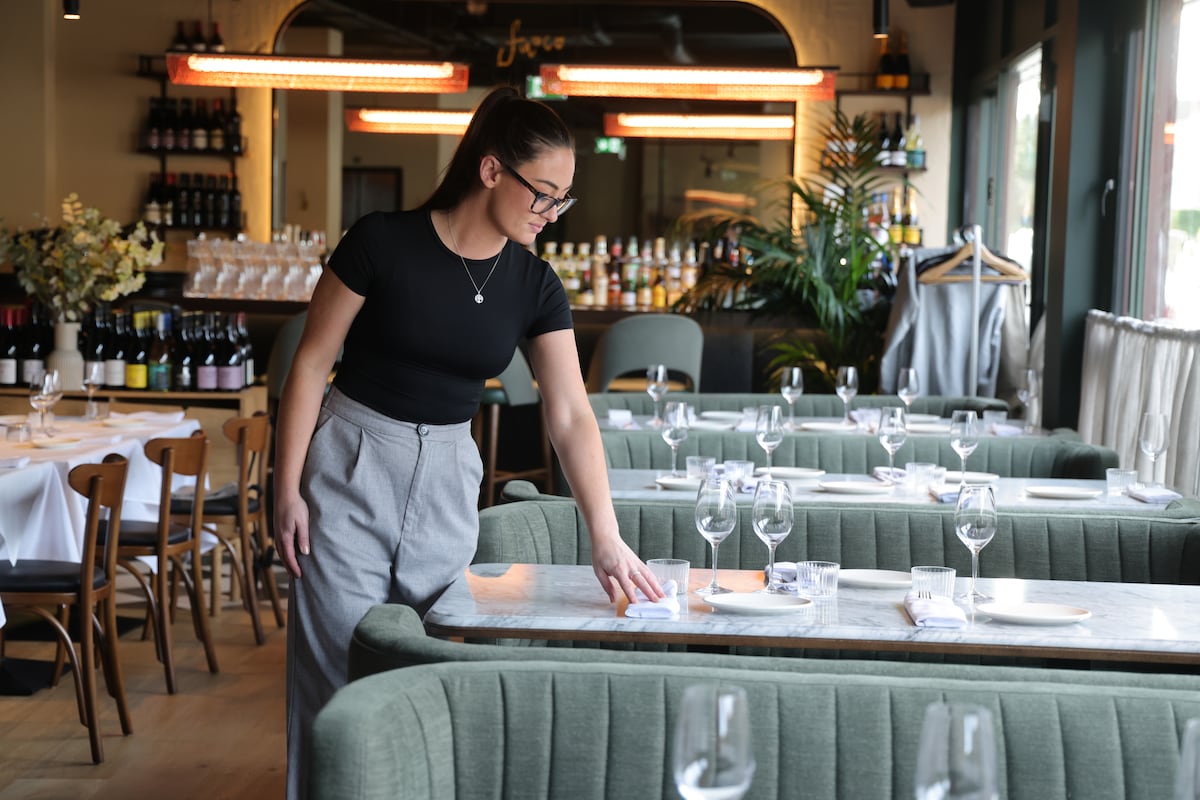
On a midweek night, Fuoco’s L-shaped space is humming with the clamour of a crowd very pleased to be there, and I’m with them, until we are led to a table so spotlit as to be visible from outer space. We are whisked to a more merciful one without much complaint and the snow-blindness recedes to reveal a smart room filled with a cadre of young, resto-literate types who look as if they’ve walked here.
Crisp white napery and tablecloths save it from full “clubstaurant” territory. There is, of course, live-fire cooking of proteins because we’re in the year 2026. There are skewers and a selection of pizzette for “sharing” and some house-made pastas for comfort. The only surprise on this very modish menu is the absence of a crudo.
You’ll find stiff, well-made cocktails (clocking in at about the €15 mark) and a questing wine list (compiled by Jenny Murphy at front of house) that moves from the old-world to places as varied as Croatia, Tenerife and Uruguay. Bottles begin at €36 and ascend headily to €350 for the Barolo. There are things worth drinking by the glass and good nonalcoholic options.
We order some pinse for the table – the quality of these flatbreads, blistered and breathing steam, convinces us that we didn’t need to sample the pizzette. We dredge them through some potent anchovy butter, a satisfying process.
Starters fail to get us going – the season has moved on from the plates of heirloom tomatoes and chargrilled prawns that feel increasingly obligatory for such openings. Be aware, however, that the house-made crisps with speck will feature in your Instagram feed soon.
From the list of skewers, we find the lamb belly to be dry and fibrous and the accompanying mint salsa verde oddly sweet. The mortadella is a little better but I’m distracted by thoughts of the thick spammy hunks that I have enjoyed in New York pizzerias. These threaded slices are mere “baloney” served with a good gremolata. I’m told that the lasagne is the one to get.
[ Dublin pizza slice taste test: NY, Detroit, Italian-style... What tastes best? Opens in new window ]
Pushing on to pastas, we choose the gigli, a bowl of those fretty (lily-blossom) shapes dressed with a ferric kale pesto and daubed with the lactic tang of stracciatella. Mix it together and you’ve got a pleasant plate of pasta, albeit one that has sat a moment too long on the pass.
Linguine with clams is less successful and comes with an odd flavour profile. I like the inclusion of briny bottarga, less so the belt of whiskey. These canonical pasta preparations endure because of the innately Italian reluctance to tinker with them. Just sa…