
Home Technology AI Is Thinning the Pipeline of Future Dealmakers
Author: Anthony Noto | Photos: Shutterstock
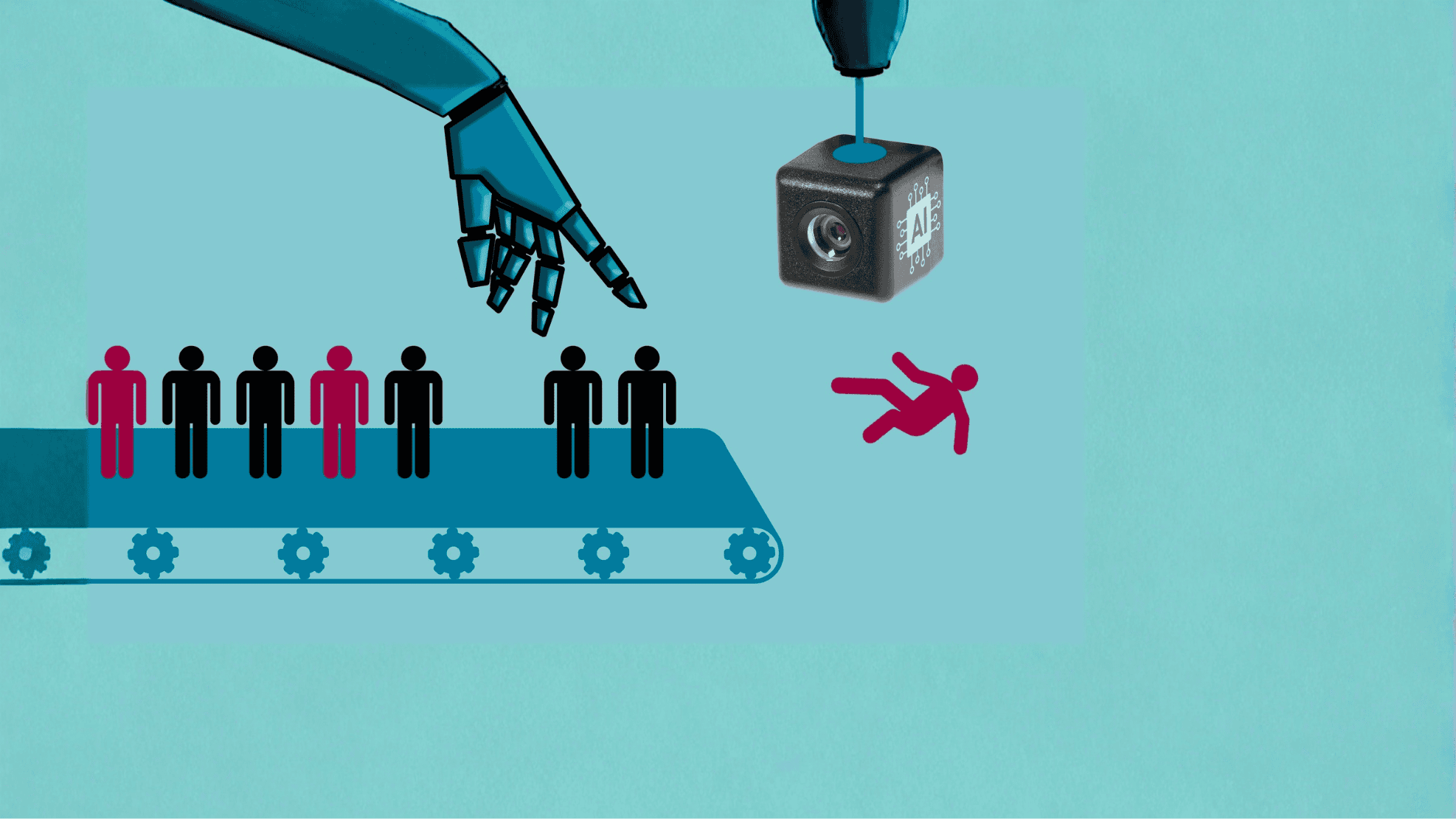
Automation is absorbing junior banking work—raising alarms over who will become tomorrow’s senior dealmakers.
Finance is one of the most AI-exposed sectors in the economy, and the largest banks have been increasingly open about what that means for their workforces. JPMorgan Chase & Co. CEO Jamie Dimon has warned that AI will eliminate jobs; Citigroup Inc. CEO Jane Fraser has said the bank is preparing “for an AI-driven future”; and Bank of America Corp. CFO Alastair Borthwick recently reported that headcount is already down nearly 3,500 year-over-year as automation curbs the need to refill roles.
Paulette Soetanto, a director in the technology investment banking practice at CriticalPoint Partners, expects the traditional deal team structure to change meaningfully—especially in the middle market where deals are typically under $1 billion.
“Today, a typical team has three or four people: an analyst, an associate, a vice president or director, and a managing director. Over time, it’s realistic to see teams of one or two,” Soetanto told Global Finance. “One banker executes the deal, using AI to build the models and presentations, while the other focuses on the client relationship and the outcome the client is trying to achieve. In some cases, a single experienced banker can cover both.”
San Francisco-based CriticalPoint, Soetanto explained, has already seen individual bankers execute smaller deals on their own.
“AI will allow them to do so faster and at a higher level of quality,” she added.
So far, AI’s value lies in what Soetanto calls the “wood-chopping” phase. These tasks include gathering data, conducting initial financial modeling, and running buyer screens. Over the next five years, she expects AI to absorb much of investment banking’s high-volume, process-driven work.
A Kaufman Rossin survey published in May shows a broader corporate pattern. Of 100 middle-market executives, 83% are already testing or deploying AI. Only 2% have embedded it across their businesses, and fewer than half (44%) track any financial return.
The benefit executives recognize is time: 95% agree that AI saves their employees time, and 82% use time saved as their primary measure of value. Twenty-six percent measure revenue gains, yet 93% still plan to increase AI spending next year.
So, companies are spending heavily on time savings they can feel but can’t yet price. But investment banks that use AI to cut junior hiring can book those payroll savings almost immediately, giving them an easy metric to point to today. The true cost? A hollowed-out bench of dealmaker talent.
“I expect there will be fewer entry-level analyst roles over time, along with a change in what mid-level and senior bankers are expected to deliver,” Soetanto said.
What stays human, in Soetanto’s view, is interpretation, negotiation and accountability. Fairness opinions, underwriting commitments, final valuations and transaction terms demand human experience, relationships and client understanding.
“Anything that involves judgment or a formal commitment should continue to require human sign-off,” she said.
Jeff Barrington, managing director at Windsor Drake Inc., an independent sell-side M&A advisory firm, agreed with the task split, but framed the industry’s central paradox: The hum…