
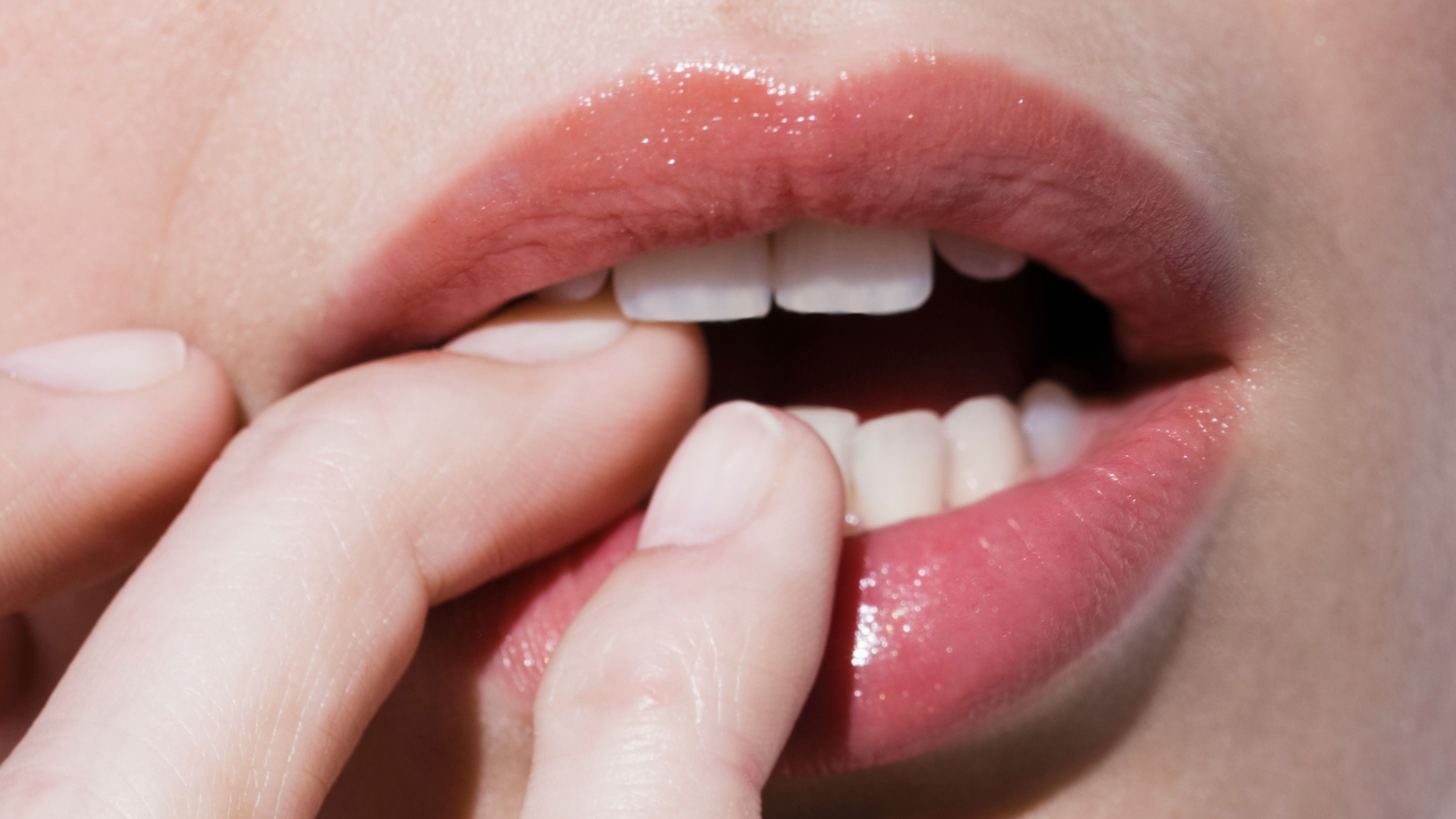
Getty Images Save Story Save this story Save Story Save this story Do you bite your nails? If so, you’re really not alone; research suggests about 20 to 30 percent of the general population nips at their fingertips. (Former nail biter checking in!) It can be a difficult habit to quit, but a subset of GLP-1 users have reported that since they began taking the medication, they’ve lost interest in nibbling their nails.
People on a GLP-1 are sharing their experience on Reddit , saying that after years as a daily biter, they stopped entirely once they started injecting themselves with the semaglutide medication. Influencers are opening up about how going on a GLP-1 helped them quit their “compulsive” nail biting. While GLP-1 medications are well known for their ability to dull cravings, curb snacking, and lessen “food noise,” they may also impact other habits—nail biting included.
According to Annette Czernik , a board-certified dermatologist based in Stamford, Connecticut, nail biting (also known as onychophagia) is considered a type of “ body-focused repetitive behavior, ” or BFRB, a classification that also includes things like skin picking and hair pulling; for many people, biting their nails can be a self-soothing habit when they’re stressed or anxious, or self-stimulating when they’re bored, which are common feature of BFRBs in general. “These behaviors often exist on a spectrum with anxiety, stress-related habits, and obsessive-compulsive tendencies,” Czernik explains. “As dermatologists, we frequently see the physical consequences, including damaged nail plates, chronic inflammation around the nails, infections, and permanent nail changes.”
Now, there’s still a lot we don’t know about how and why GLP-1 medications work and why people experience such diverse side effects, but physicians have some theories as to why injecting yourself with semaglutide or tirzepatide might make you less likely to chomp on your fingernails.
First, it’s important to understand what GLP-1 medication is doing to the body in the first place. Sanam Hafeez , Psy.D., a neuropsychologist in New York City, explains that GLP-1 medications can influence the brain’s reward pathways; this is most evident with food and appetite, of course, impacting feelings of hunger and cravings. “Many people report experiencing less ‘food noise’ and fewer intense cravings,” she explains. “As urges become less powerful, it can feel easier to make deliberate choices rather than acting on impulse. For some individuals, these changes may significantly reduce compulsive eating behaviors and create a greater sense of control around food.”
Now, it’s essential to note that GLP-1 medications are not approved for nail biting and there isn’t currently enough research to back up any claims that they can “cure” or stop the habit. However, Dr. Czernik flags that there have been “growing reports” of people on GLP-1 medications who have noticed a reduction in reward-seeking compulsions and desires in general, which for some could include nail biting. (Other commonly cited behaviors include impulsive shopping, drinking, and smoking.) Jessica Duncan , MD, a board-certified obesity medicine physician based in Atlanta, Georgia, says that this could be because “[GLP-1s] also act on the brain's dopamine and reward pathways, which is why patients often notice their cravings drop across the board, not just for food.”
Dr. Duncan’s patients often report a loss of interest in alcohol and cigarette…