
on Google Preferred Source Google News Link copied to clipboard By Matt Patches Published Aug 10, 2026, 8:00 PM EDT Interview Director Louis Leterrier talks about his swerve away from Spielbergian convention
The director of Fast X made an IMAX-sized Netflix movie that may never play in IMAX What happens to Ulf the White in House of the Dragon? Netflix’s 112-minute sci-fi thriller is officially #1 worldwide despite terrible Rotten Tomatoes score The Last House director dives into a murky ending of cosmic proportions Image: Netflix Sign in to your Polygon.com account I audibly yelped “HELL YEAH” when I realized what was really going on in Netflix’s The Last House . As I learned later talking with friends and colleagues, the movie’s Cloverfield -esque mystery box may have gotten a little soggy by the third act twist — was this a Chubby Rain alien invasion situation? Not quite.
The story of a family trapped inside their house absolutely has a paranormal direction and a mythical explanation that puts it more in the camp of Lovecraftian horror than the Spielbergian encounter movies director Louis Leterrier was heavily inspired by. If you were left wondering how exactly this claustrophobic adventure movie went down in the end, and what Leterrier was ultimately going for, good news: Polygon dove under the surface with the director.
Warning: Spoilers for The Last House below.
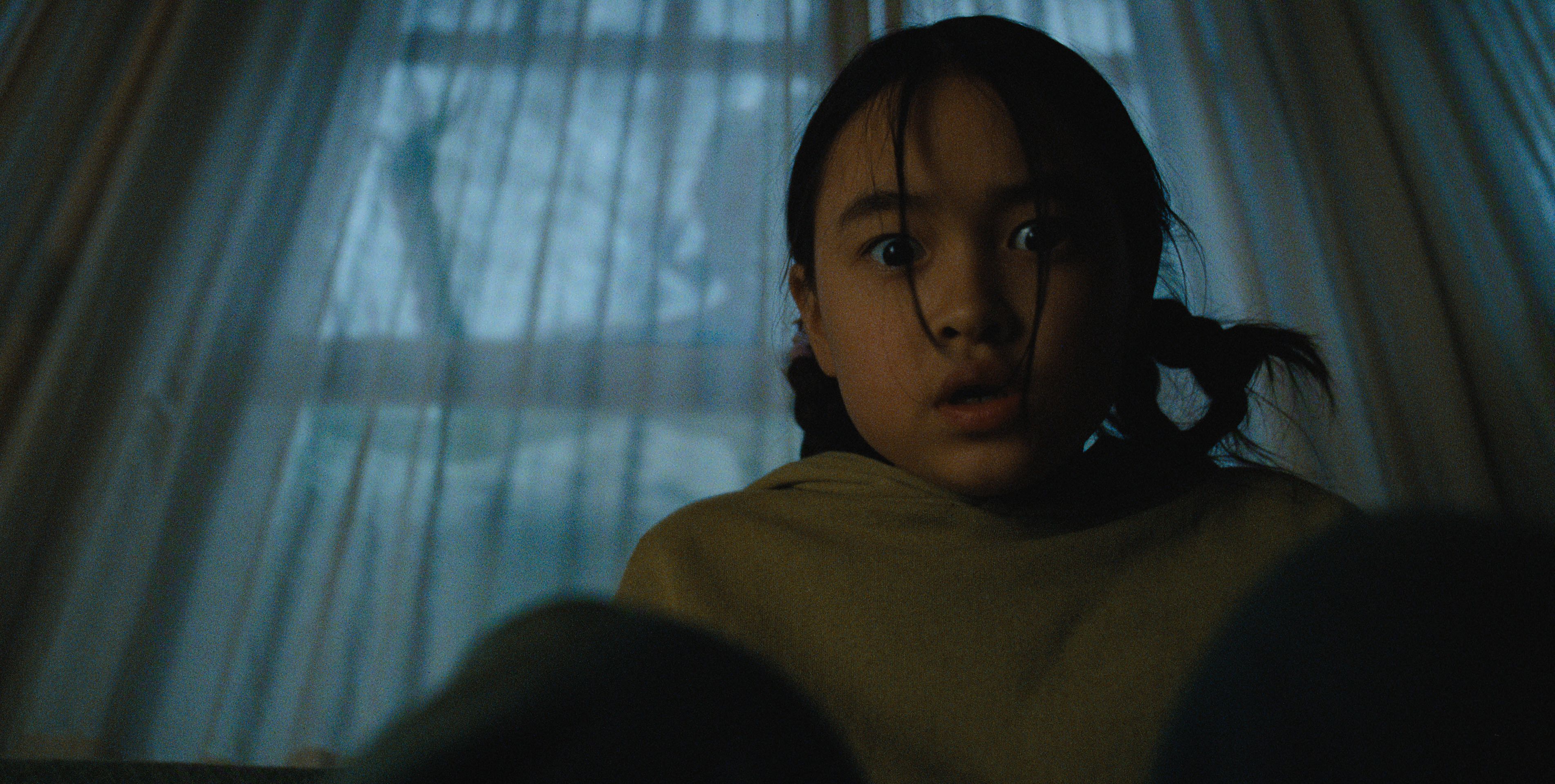
Years into their incarceration at home to some extremely funky weather patterns, the central family of four at the heart of The Last House — Jason (Wagner Moura), Ann (Greta Lee), Ruth (Emma Ho), and Graham (Gabriel Chung) — is ready to call it a day and commit mass suicide like it’s The Seventh Continent . But when Ruth is bit by a rabid ferret during a routine fireplace critter hunt (long story), Ann realizes she could burrow her way underneath the house to her deceased dentist neighbor’s house to fetch antibiotics. A run with a creature along the way helps the family realizes they could at least go on the offensive against their captors if there’s really nothing else to live for.
Also, their captors are Chthulu-esque merpeople who have ravaged the planet of the scourge that is land-dwellers. Righteous!
Leterrier says the script he initially received was essentially a first act and part of a second, without a real third act. A major part of developing the movie was figuring out how to nail a conclusion that opens the scope, answers questions, but does right by the character arcs.
“The challenge for these types of movies is not running out of emotional gas,” he said, describing the progression he wanted from “physical survival to the mental survival to the emotional survival, psychological survival.” Then, he said, “you add the uncanny and you add everything.”
That “uncanny” eventually turns the movie into a spectacle of cosmic horror. The idea, he explained, came from a mixture of “fables, reality, urban myth, true legends,” particularly stories about mermaids whose songs tempt humans while the creatures themselves remain hidden. Leterrier said he believes “we’re cohabiting with different races,” and that he is skeptical of the idea that humans are “the most evolved race in the universe.”
Image: Netflix By luring the merpeople into their home, and opening the unsealable wet door, Jason, Ann, and the kids finally escape their suburban prison. A display of mercy toward the merperson they jumped is enough to convince the reigning aquatic species to call of the rains…