
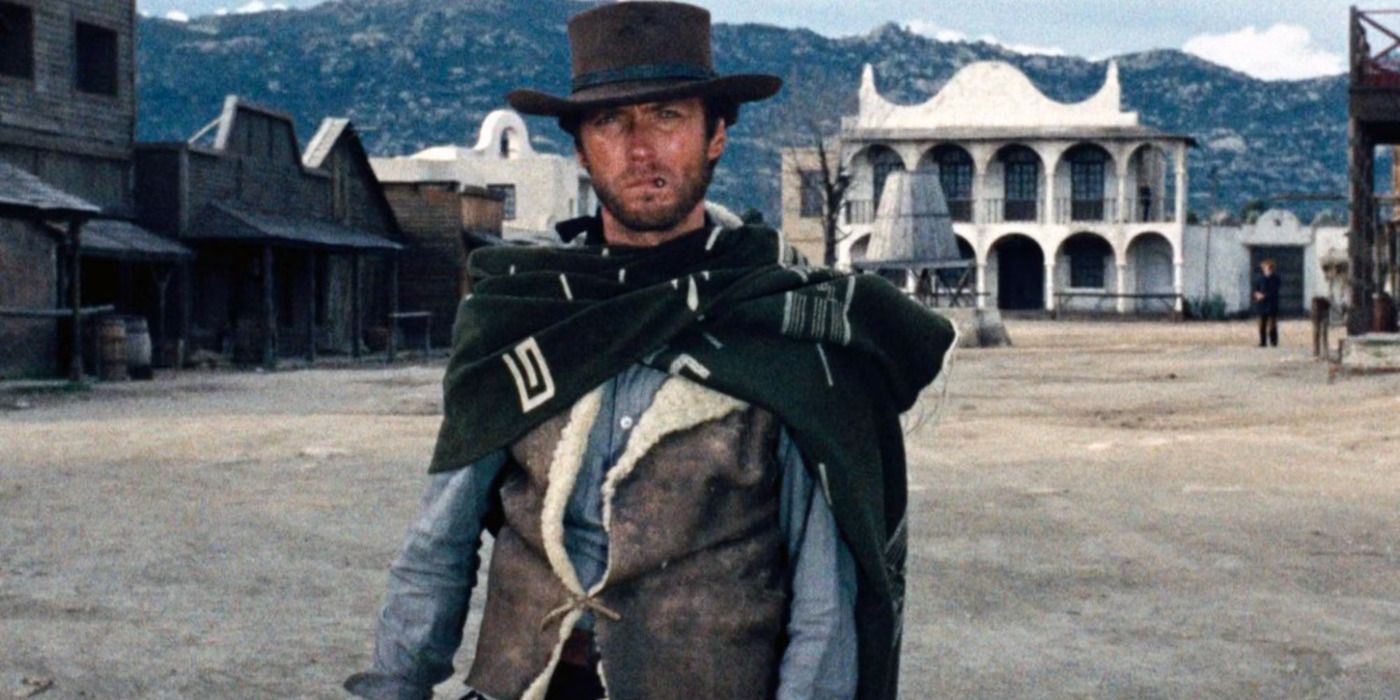
Clint Eastwood as The Man With No Name on a Western street in A Fistful of Dollars. Image via United Artists By Victoria Luxford Published Aug 11, 2026, 11:57 PM EDT Victoria has written about film for a variety of outlets across the world, including The Guardian , NME , BBC , The Hollywood Reporter, Rolling Stone , Empire Magazine , Metro , and many more. She was previously Film Editor for London newspaper City AM , as well as Global Film & TV Editor for American Express Essentials . Sign in to your Collider account Add Us Add on Google Preferred Source Google News Summary Generate a summary of this story Like Like follow Follow followed Followed Listen Thread Log in Here is a fact-based summary of the story contents: Try something different: Show me the facts Explain it like I’m 5 Give me a lighthearted recap Quentin Tarantino is more than just one of the most acclaimed directors of his generation; he's also a passionate and often vocal student of cinema. His work proudly bears the fingerprints of the films he admired growing up, speaking the language of filmmaking rather than mere mimicry. But his passion often goes beyond his own work; he frequently shares his opinions on the films he loves in interviews, and continually singles out one group of movies — which have just arrived on Prime Video.
1964's A Fistful of Dollars was the first in Sergio Leone's Dollars Trilogy, followed by For a Few Dollars More , and The Good the Bad and the Ugly . In addition to popularizing the idea of the spaghetti Western (distinctly American films being made by Italian filmmakers and cast), the trilogy shifted the whole notion of what a Western could be. The trio of Leone, composer Ennio Morricone , and star Clint Eastwood came together to take one of cinema's most storied genres and shake up every element, giving it style and swagger that established a new standard.
Close Image via MGM Clint Eastwood as the Man with No Name in the Mexican standoff in A Fistful of Dollars. Image via Jolly Film, Constantin Film, and Izaro Films The Man With No Name, played by actor Clint Eastwood, standing outside a white building, smoking a cigarette in A Fistful of Dollars. Image via United Artists Clint Eastwood as Man With No Name in A Fistful of Dollars Image via United Artists Based on the Akira Kurosawa film Yojimbo (1961), A Fistful of Dollars stars Eastwood as a mysterious, unnamed stranger who rides into the border town of San Miguel. The place is ravaged by violence and corruption, as two warring families fight for control. Seeing an opportunity for profit, the Man with No Name plays one side against the other, in a plan that will leave him either dead or rich.
Speaking on the 50th anniversary of the movie at Cannes , Tarantino described the film as "the birth of what we now call modern filmmaking." He enthused, "Every director who ever took genre pieces actually had the grandiose idea to present them larger than life. That started 50 years ago." Such a grand statement has merit, as the Italian maestro took visual storytelling and moral dynamics in a whole new direction, making movie magic.
On the screen, close-ups and slow, tense showdowns gave every moment an operatic feel that would become the vocabulary of the genre — and genre cinema itself — for years after. It also brought a new code to the West. Previously, the heroes and villains were neatly categorized in movies that mythologized the frontier, but Leone's film found something more interesting in…