
on Google Preferred Source Google News Link copied to clipboard By Maria Loreto Published Aug 29, 2026, 11:01 PM EDT What to Watch The movie had a troubled production, resulting in numerous cuts over the years
Image: Warner Bros. Blade Runner Sign in to your Polygon.com account Add Us Add on Google Preferred Source Google News Summary Generate a summary of this story Like Like follow Follow followed Followed Thread Log in Here is a fact-based summary of the story contents: Try something different: Show me the facts Explain it like I’m 5 Give me a lighthearted recap The ‘70s and ‘80s were a major turning point for science fiction . Star Wars revitalized the genre and turned it into one of Hollywood’s main box office draws, inspiring a wave of films that are still shaping sci-fi today. Then, in the late ‘70s, Ridley Scott threw down the gauntlet with Alien , taking a clear step away from the optimism that had once permeated these stories and instead infusing it with corporate anxiety and untrustworthy artificial intelligence. It was a signal for things to come.
By the ‘80s, that pessimism curdled into a fully realized vision, and no film played a larger role in that than Scott’s Blade Runner. Its production is also one of the most infamous studio-creator struggles in Hollywood, with five different cuts released over the years. It wasn’t until 2007 that Blade Runner: Final Cut arrived, delivering the movie that Scott had envisioned all along — the fullest version of a film that, even in its mangled theatrical form, reshaped science fiction forever. That version is currently streaming for free on YouTube, and it's worth checking out if you've ever watched another cut of Blade Runner and wondered what else was hiding beneath its cyberpunk surface.
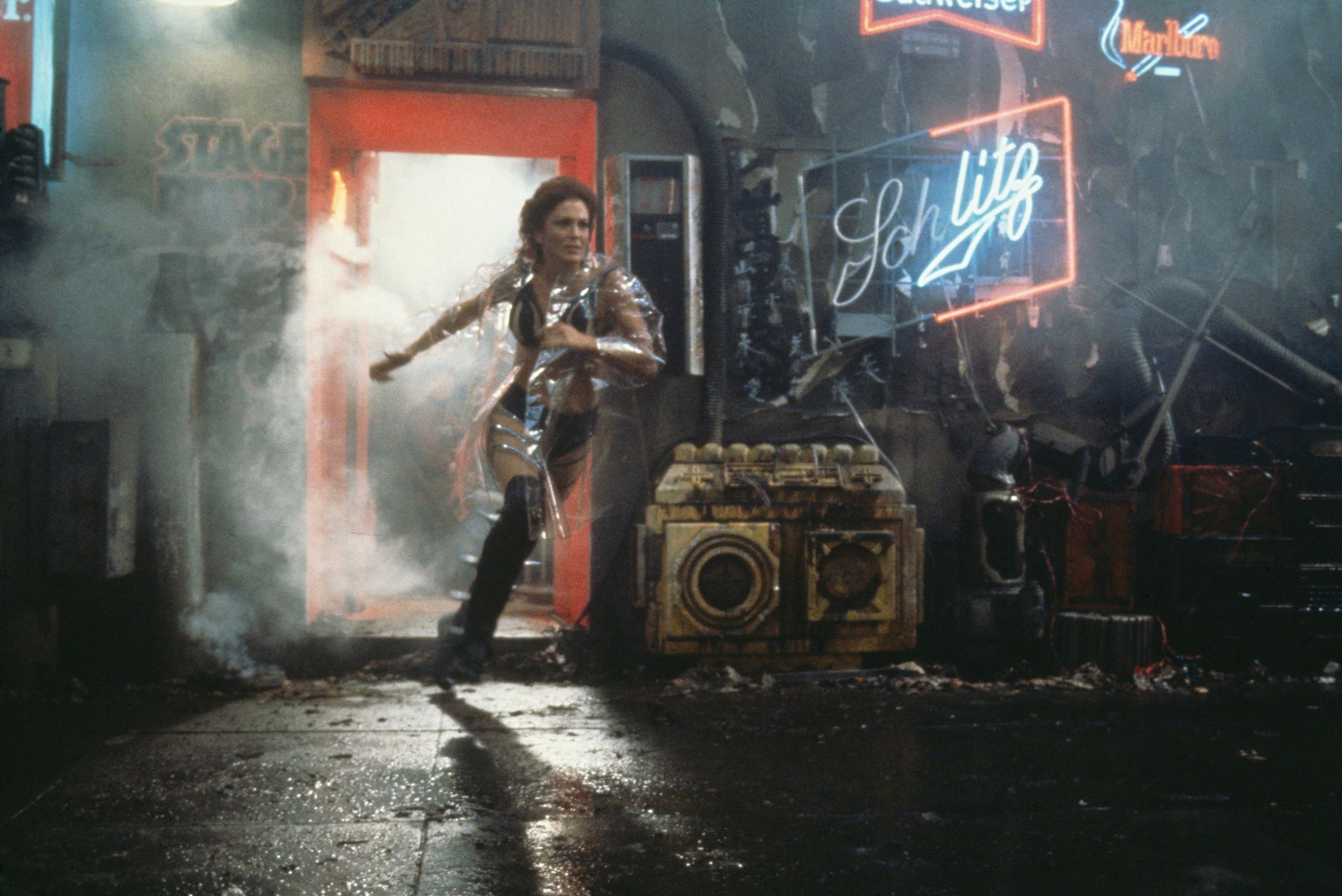
Image: Warner Bros. Blade Runner begins with an opening crawl, throwing you into a corporate world where bioengineered humanoids called replicants exist. These androids have rapidly advanced, with each generation boasting skills that go beyond human abilities. They're stronger, smarter, faster, and more agile than us. After being treated as slaves for years, the replicants revolted, resulting in the formation of a police unit called Blade Runners tasked with retiring them. The replicants were ultimately outlawed on Earth. “Los Angeles, November, 2019,” reads the film’s sober title card, cutting to an establishing shot of the city at night, drowned by pollution, with giant buildings spewing fire.
We meet Rick Deckard (Harrison Ford after Star Wars but before Indiana Jones ), a retired police officer and bounty hunter who is called back in to find and "retire" four fugitive replicants. As Deckard begins his investigation, he visits the Tyrell Corporation, the company that designs the best replicants on the market, housed in a striking pyramid in the middle of Los Angeles (“More human than human” is their motto). Deckard meets Rachael (Sean Young), Tyrell’s assistant, and discovers that she’s a replicant. As the story progresses, he falls in love with Rachael, shifting his perspective on androids and complicating his mission. While the replicants Deckard is hunting are terrifying and stunted in their understanding of their feelings, they’re also incredibly empathetic. With a four-year lifespan, the replicants are tragic creatures, living just long enough to question their reason for existing. As Deckard continues to hunt and retire the fugitives, he begins to feel worse, culminating in a final enc…