
Rabia is an Editor for Esports Insider and a freelance on-screen VALORANT desk analyst and interviewer. When she's not working, you’ll find her rewatching Marvel movies and crushing on Elizabeth Olsen and Scarlett Johansson.
Olivia Richman is a seasoned esports journalist who has worked with Inven Global, Esports Illustrated, Esports.gg, and more. As an editor and writer at Esports Insider, she loves telling unique esports stories, especially within the FGC. When not working and gaming, Olivia loves collecting Kirby plush, eating sushi, and driving her cars at the track.
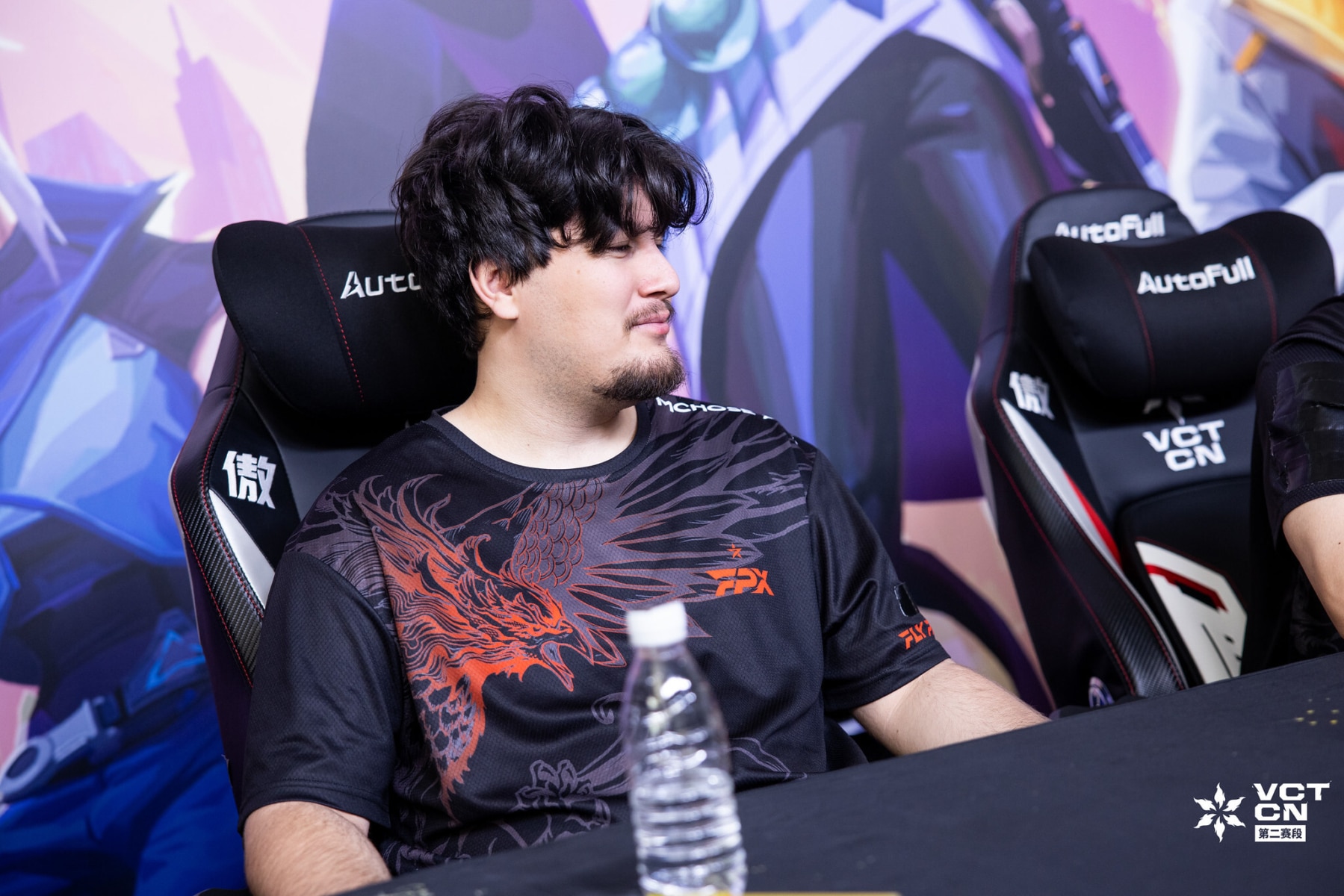
On August 28th, VCT China organization FunPlus Phoenix issued a statement announcing that it had “terminated all cooperation” with its IGL and controller, Blendi “kovaQ” Kovaci . According to FPX, the player made “inappropriate remarks while communicating with teammates during a game.”
As a result, the organization launched an internal investigation in cooperation with Riot Games before cutting ties with him. In the meantime, FPX has said it will strengthen its internal management and player education, while expressing regret for the negative impact of kovaQ’s actions.
“We will complete the necessary arrangements for upcoming competitions in accordance with the league’s final decision and regulations,” the organization stated.
The incident, however, is part of a recurring pattern in esports. While team members are expected to maintain professional conduct on stage, they sometimes fail to uphold those same standards in real life.
The result? One moment of poor judgment can end up leading to roster cuts, suspensions, lost sponsorships and, in some cases, the end of a career.
After that, the player is often left with nothing but regret, something that can also be seen in kovaQ’s statement:
“Hello everyone, I wanted to apologize for what I wrote. I sent something to my teammate that was inappropriate towards a lot of people. In that moment, I meant it as a joke, but looking back at it, I deeply regret ever writing it.
“I made a mistake that I shouldn’t have made, and I take full responsibility for it. Thanks to FPX for the opportunity to be part of this project and for everything you’ve done for me,” he added.
Hello everyone, I wanted to apologize for what I wrote. I sent something to my teammate that was inappropriate towards a lot of people. In that moment I meant it as a joke, but looking back at it, I deeply regret ever writing it. I understand why people are angry and I know that…
And every time something similar happens, one question comes to mind: Why does the esports industry still struggle to give enough importance to consistent PR and professional conduct training?
In esports, players are competitors, entertainers, streamers, influencers, brand ambassadors, and the public faces of the organizations they represent.
Yet, while teams invest heavily in coaches, analysts, performance staff, and training facilities, one very important area still receives little attention: public relations and communications training.
As a result, we have seen multiple players and organizations face serious consequences. In 2023, Japanese VALORANT player Kim “TenTen” Tae-young was fired by NORTHEPTION after he made racist remarks during a ranked match. Riot Games later suspended him for four VCT matches.
Overwatch League player Park “Viol2t” Min-ki was fined and suspended by the San Francisco Shock in 2020 for repeated use of toxic slurs…