
Home Banking Active Wealth Management in a Changing Global Economy
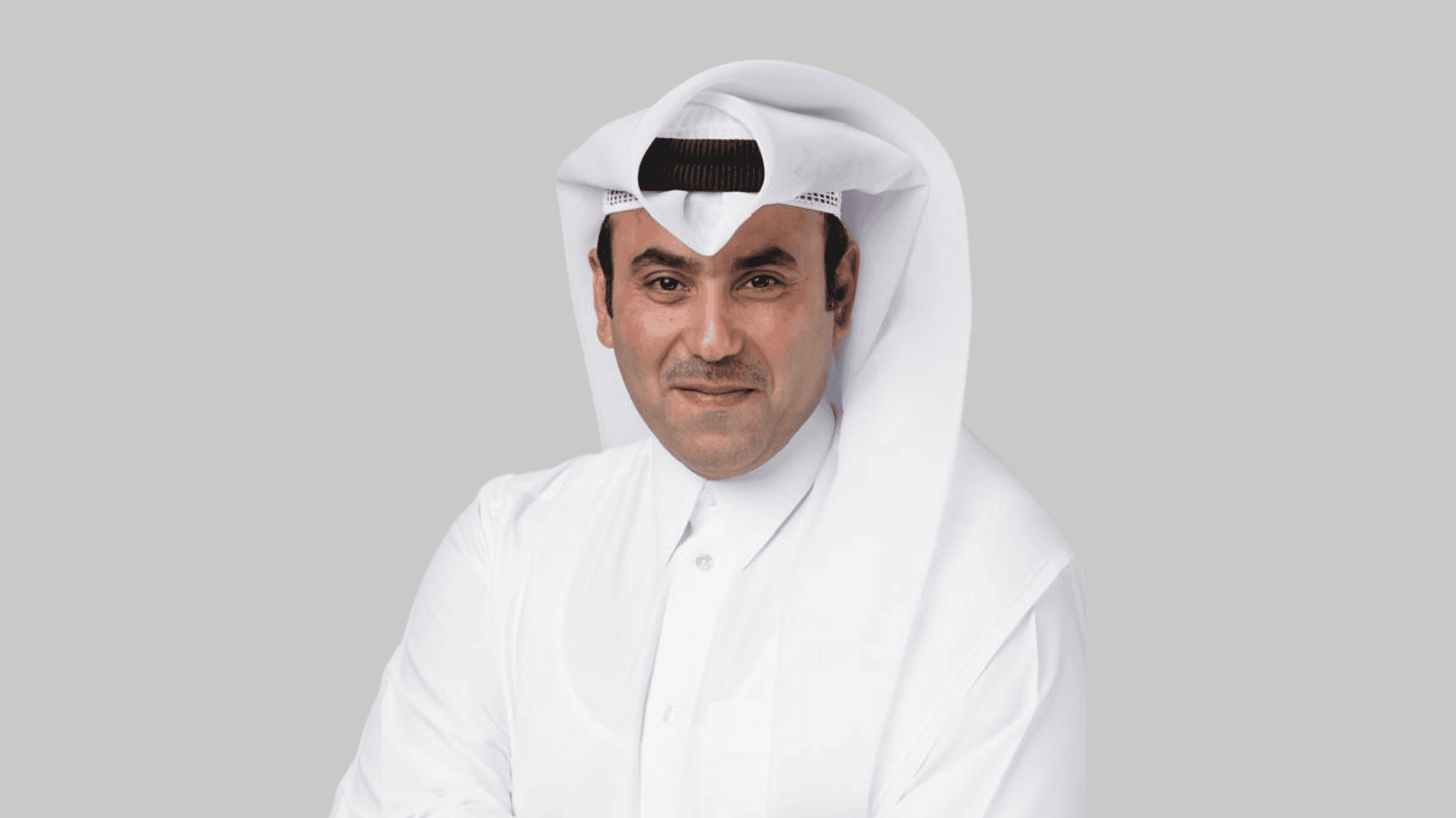
Abdulla Hashim A M Al-Sada, Senior Executive Vice President, Group Asset and Wealth Management, at QNB Group, explains that as GCC wealth expands and investment choices multiply, global diversification, active management and disciplined stewardship are becoming essential to preserving wealth and creating value across generations.
The world is creating more wealth than ever before but protecting and growing it has become increasingly challenging.
To put this into perspective, BCG’s Global Wealth Report 2026 1 found that global financial wealth increased by 10.7% in 2025 to US$333 trillion, its highest rate of growth since 2021. The Gulf Cooperation Council (GCC) is also becoming more prominent within this evolving landscape. The region’s total wealth reached an estimated US$8.6 trillion in 2024, while EY’s GCC Wealth Management Industry Report 2025 2 estimated that more than 200,000 individuals across the region qualify as ‘high net worth’ (HNW).
Amid this trend, around half of the private wealth in the GCC remains tied to real estate, highlighting an opportunity for greater diversification across assets and markets.
We see this among QNB’s private banking and wealth management clients, with a move beyond traditional equity and fixed income allocations towards broader diversification strategies. For example, interest is growing in alternative investments, international opportunities and actively managed solutions that can respond to changing market conditions.
The GCC’s emergence as an international wealth hub reflects the broader transformation taking place across its economies. Investment in technology, infrastructure, financial services, tourism and advanced industries is widening the range of opportunities available to investors and strengthening the region’s connections with markets across Asia, Africa and Europe.
The development of financial centres, deeper capital markets and national economic transformation programmes is also creating a more sophisticated regional investment ecosystem. These initiatives are strengthening the region’s position not only as a source of capital, but also as a destination for private wealth and a platform through which investors can access international markets.
As the investment universe expands, diversification is no longer limited to simply holding a mixture of listed equities and fixed income instruments. Investors increasingly require portfolios diversified across geographies, currencies, sectors, asset classes and investment horizons.
This is driving demand for alternative investments as investors look for new sources of return and greater portfolio resilience.
According to EY’s GCC Wealth Management Industry Report 2025 3 , 69% of wealthy clients in the Middle East hold alternative investments. This supports what we are seeing among QNB’s clients, with growing interest in private markets, structured solutions and thematic opportunities that can enhance diversification and provide attractive risk-adjusted returns.
These investments can provide access to opportunities that are not always available through public markets. However, they can also introduce liquidity constraints, longer investment horizons, valuation complexity and varying levels of transparency. Access alone is therefore not enough.
Each allocation also requires rigorous due diligence and a clear understanding of how it contributes to the objectives, liqu…