
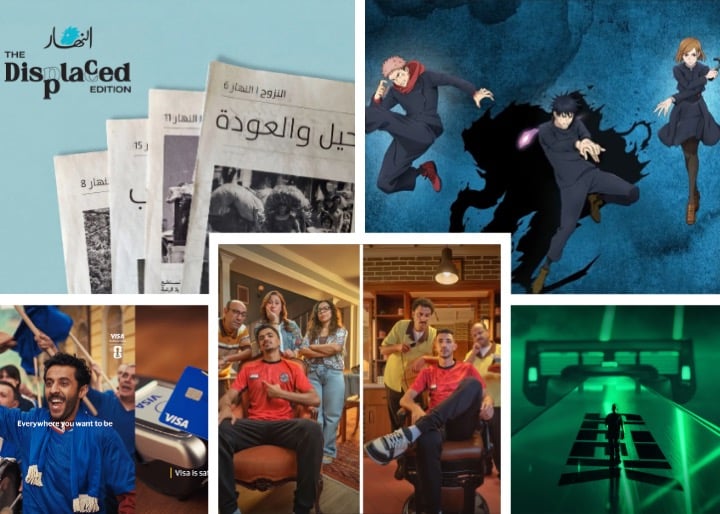
talabat’s Chama Moumile shares her thoughts on work from Annahar, Dorco Sleek, McDonald’s KSA and Orange Egypt.
Campaign Middle East features a monthly Private View section with a range of insights and viewpoints from industry experts, revealing the intricate world of marketing and advertising campaigns.
This month’s review is by Chama Moumile, Regional Director of Communications, MENA, talabat.
Annahar – This is a really powerful example of turning a media platform itself into the idea. Instead of simply reporting on displacement, Annahar made readers experience a small version of that disruption by breaking the newspaper’s own structure. That makes the message much more visceral and memorable. I also like that the idea feels completely native to Annahar rather than something that any media outlet could have executed. It’s a strong example of purpose-led communications where the medium, message and action all reinforce each other.
DORCO – The strategic idea is strong because DORCO is moving beyond selling a razor and building cultural relevance around confidence, identity and self-expression. DJ Bliss is a smart choice because he brings genuine UAE credibility rather than feeling like a generic celebrity endorsement. The results are encouraging, but I’d be curious to see how this translated into brand awareness, consideration and ultimately sales, beyond the strong reach and engagement numbers.
McDonalds – This is a very strong example of cultural marketing done properly. McDonald’s didn’t just put Jujutsu Kaisen characters on packaging – they built the whole experience around how the fandom behaves, from collectibles and creators to the teaser and OOH takeover. I also like the focus on anime-native creators rather than generic influencer reach. The numbers are genuinely impressive, particularly the 100M+ completed video views and 26M reach. The real win, though, is making McDonald’s feel like part of the fandom rather than a brand advertising to it.
Orange Egypt – A smart example of starting with a real cultural insight rather than forcing the usual World Cup narrative onto the audience. The idea of cautious optimism feels very Egyptian and much more credible than promising glory from the start. I also like how the campaign gives that feeling a simple, repeatable line that fans can actually adopt themselves. The real proof is the organic social momentum after the win- when people start using your campaign language without being prompted, you know the insight has genuinely landed.
Visa – I like the human insight behind this campaign – the idea that the best travel moments often happen when things don’t go to plan feels relevant and gives Visa a more emotional role beyond simply being a payment network. Bringing the World Cup into everyday travel also makes the sponsorship feel more integrated rather than just logo-led. Pep Guardiola and Ronwen Williams add scale and credibility, although I’d be curious to see how much the campaign ultimately strengthens Visa’s brand versus the broader World Cup experience.
By Chama Moumile, Regional Director of Communications, MENA, talabat.