
The $2,195 glasses are Snap's biggest AR bet yet.
Karissa Bell for Engadget Add Engadget on Google: Preferred Source Google Discover Snap has been experimenting with glasses for a decade and AR-enabled frames for the last five years. I've tried every pair, and it's always been clear that the company was working towards something bigger. Specs, the company's first consumer-ready AR glasses are exactly that.
The $2,195 glasses are able to replicate much of the functionality of a mixed reality headset without a separate puck, controller or tethered connection. But that also comes with some trade-offs, like the size. But after trying out Specs for myself, I think there's a lot to like. The operating system feels more polished than previous versions, and Snap has more apps that feel like they would actually be useful. But I still have a lot of questions about the product and who it's ultimately for.
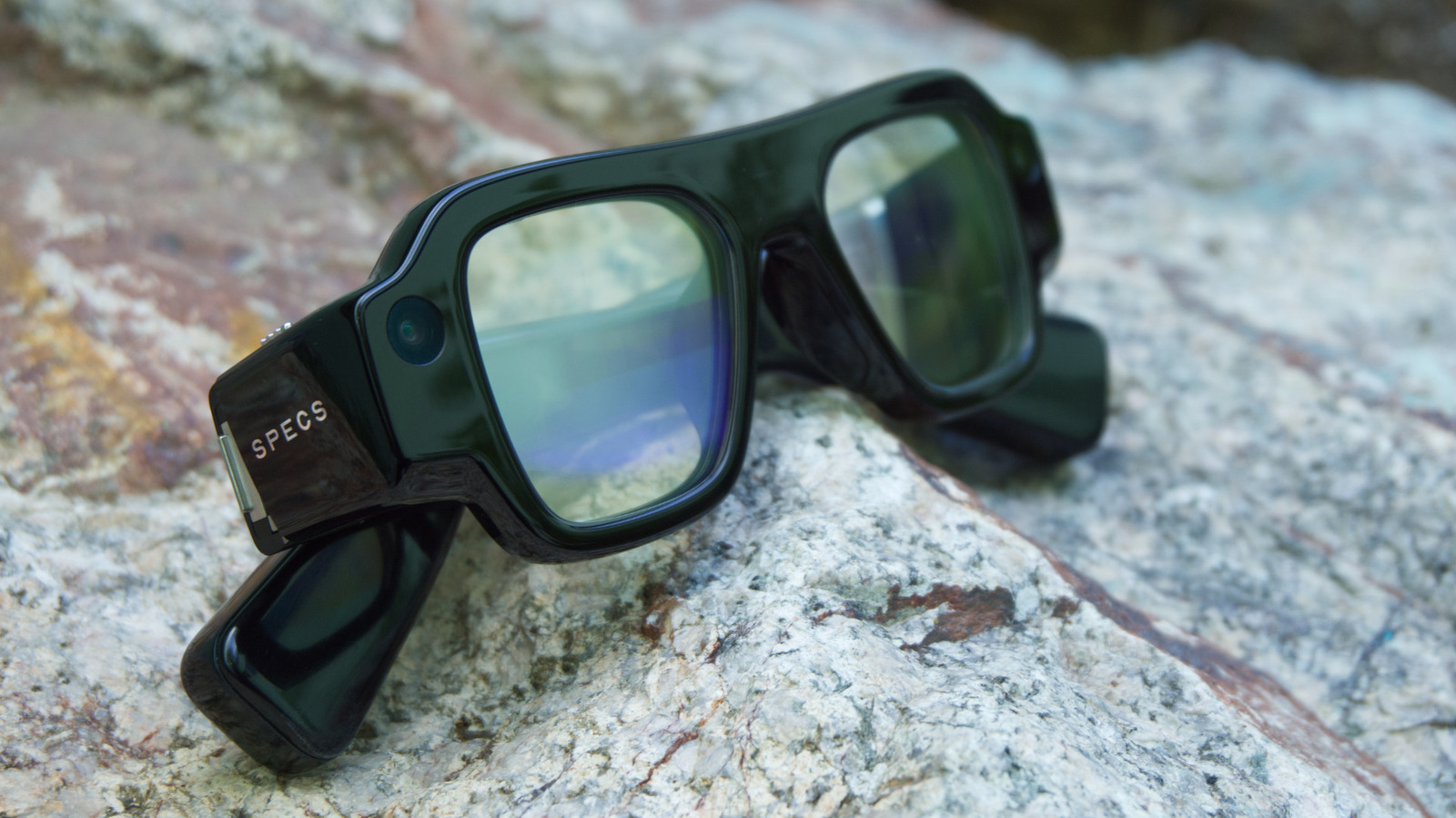
Karissa Bell for Engadget Specs come in two sizes: 47 mm and 52 mm. I tried both and the smaller frames (pictured above) were a much better fit for my face. And look, as someone who regularly reviews smart glasses, I'm very aware that people have strong opinions about how these look! I'm not here to say that Specs can pass for "normal" glasses, and I don't think they are supposed to. They're chunkier than the bulkiest smart glasses I've worn, but they are also far more capable than something like the Meta Ray-Ban Display glasses.
Given Specs' capabilities, I actually think they look okay. I likely wouldn't wear them as my everyday glasses, but I don't think they look any goofier than other AR products I've tried, like Xreal's Aura headset . I will say I have something of an advantage, though, since I have long hair that can cover the thick arms that would otherwise stick out past my ears.
Specs also don't feel nearly as heavy as they are. At 132 grams, they're almost twice as heavy as Meta's display-enabled frames, but the weight felt more evenly distributed around my head. The fit was surprisingly snug and the glasses never slipped down my nose, even if I shook my head. I only had them on for about 20 minutes, so I can't speak to how they would feel after longer periods, but I never felt uncomfortable during my demo. And, as someone who frequently struggles with glasses not fitting tightly enough, it was nice to never have to adjust their position.
Specs are equipped with two cameras, which enable the hand-tracking controls. The interface is similar to the last generation: you point with your index finger to move a cursor around the display and pinch your thumb and index finger together to select. You can also access the main menu and some other controls by opening your palm and tapping on the relevant shortcuts.
The hand tracking was intuitive and responsive. The only issue I experienced was when some hair fell in front of one of the cameras, which caused the cursor to jump around the display somewhat erratically, but it resolved as soon as I pushed my hair back.
The actual display was bright and easy to see, though there was some variation based on the lighting conditions of my space. Content looked a bit sharper when I was in a darker environment. Specs also have an adjustable dimming function that can help with brighter environments, but I wasn't able to use it extensively.
One significant improvement from the last generation of glasses is that the AR content can now "follow" you around as you physically move around your space. When…