
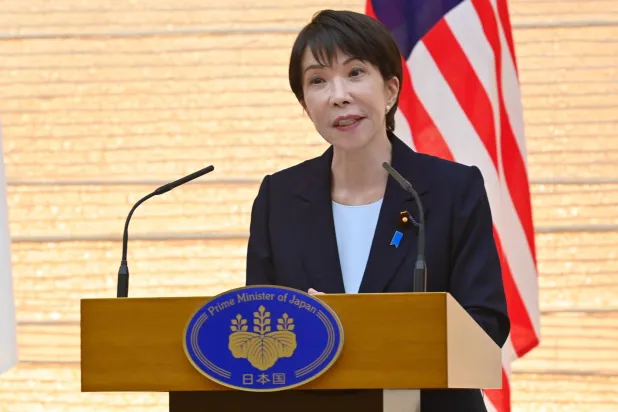
Japanese Prime Minister, Sanae Takaichi, announced on Thursday that Japan has managed to secure stable supplies of crude oil until the end of March 2028, despite the repercussions of the ongoing war with Iran.
This assurance came through a "strategic mix" that combines "diversifying alternative import sources" and "organized withdrawals from oil stocks"; extending the country's energy security horizon for an additional year compared to previous forecasts.
Takaichi confirmed, during a cabinet meeting, that the Japanese government does not plan to pump any additional withdrawals from oil reserves during this month.
The Prime Minister explained that Tokyo secured alternative supplies equivalent to 100 percent of the average monthly consumption for the previous year allocated for next July, and about 80 percent for this current June. She revealed that oil imported from the United States for July is expected to jump more than 10 times compared to the monthly average for last year.
Japan had begun a gradual withdrawal from its oil stocks to counter supply disruptions resulting from the Middle East crisis; starting on March 16, it pumped the equivalent of 50 days of domestic consumption, followed by pumping about 5 days from shared reserves with producing countries, and then began on May 1 a withdrawal of an additional 20 days, with no announcement of new withdrawals since then.
According to data from the Japanese Ministry of Economy, Trade, and Industry, issued on June 8, Japan holds oil reserves sufficient for domestic consumption for 202 days, distributed as follows:
107 days: deposited in strategic government reserves.
92 days: stored by the private sector and local companies.
3 days: among shared stocks with oil-producing countries.
This energy mobilization comes after data from 2025 showed that Japan imported 94 percent of its oil needs from the Middle East, with 93 percent of those shipments passing directly through the Strait of Hormuz, which Iran has effectively closed.
In related news, Takaichi announced that she will conduct a European tour starting June 13, including bilateral talks with the leaders of Britain and Italy, before participating in the G7 summit scheduled to be held in France.
The Prime Minister confirmed that she will push strongly for the adoption of three main issues by the G7:
1- Ensuring freedom and safety of international maritime navigation in vital waterways, particularly the Strait of Hormuz.
2- Supporting and enhancing strategic oil stocks in Asia and other regions in cooperation with the International Energy Agency.
3- Deepening coordination and cooperation channels between oil-producing and consuming countries to address current shocks.