
See more of our coverage in your search results.
Make New York Post a Preferred Source Originally Published by: Tiny-Home ‘Matchmakers’ Are Helping Connect Residents With Rural Landowners Inside a $7 Million Sedona Estate Built on Cowboy Art History—Complete with 1,000-Bottle Wine Cellar and Private Sport Court 5 Urban Cottagecore Homes Where Storybook Charm Meets Big-City Living
The arrival of fall also means the arrival, in many places, of a Spirit Halloween store.
The pop-up retailer that specializes in costumes, decorations, and party supplies for spooky season is almost ubiquitous during September and October, with over 1,500 seasonal locations in shopping centers and strip malls across North America. The brand’s ability to set up shop quickly and then disappear in November is the stuff of legend.
But the temporary nature of a Spirit —and the way they tend to inhabit big, empty storefronts—can leave people with mixed feeling.
Some might look at Spirit taking over a former Party City as the work of an involved landlord, seeking to keep foot traffic up until another long-term lease is signed. Others might worry that a Spirit is a last-ditch effort to squeeze a few bucks out of a dying area. And either direction could be a sign of things to come for the broader market and your home directly.
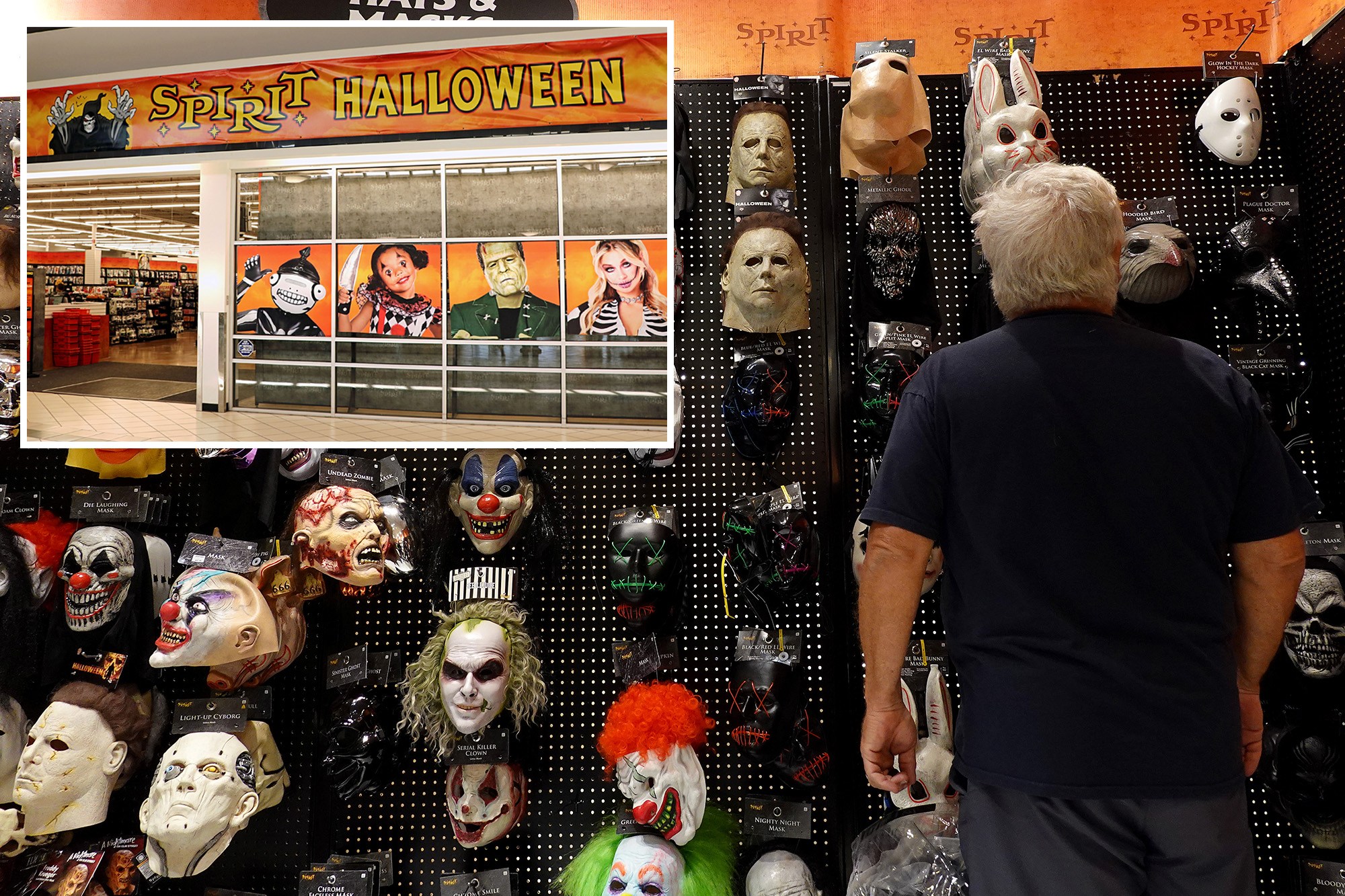
A Spirit Halloween inside a mall in Idaho. UCG/Universal Images Group via Getty Images There’s no definitive answer to that uncertainty here. Experts say it comes down to the broader context of the area, rather than just the Spirit itself.
Spirit Halloween has been offering its pop-up retail experience since 1983. The heart of its strategy lies in finding large, vacant commercial spaces, and convincing the landlords to agree to short-term leases. An empty Party City or Bed, Bath, and Beyond is a prime opportunity for Spirit to move in, even temporarily.
“We like to locate our stores in power centers, strip centers, free-standing stores, major downtown retail locations and in major malls surrounded by a national retailer mix,” says the Spirit Halloween website .
It also notes they look for communities with a population of approximately 35,000-plus, living within a 3-5 mile radius, and a car count of at least 25,000 cars per day.
So while Spirit’s physical footprint only lasts a few months, the effort to locate the right places to set up shop is a year-round endeavor. Don’t let the gaudy costumes and masks fool you: this is a savvy operation.
“Spirit is an opportunistic real estate player,” says Todd Drowlette, the managing director of TITAN Commercial Realty Group in Albany, NY.
“They target busy, regional locations with high traffic counts and traffic generators in the center or retail corridor like Target, Walmart, or grocery stores. Landlords will do deals with them, because they are short term deals and Spirit typically takes the locations ‘as is’ so it is basically some cash flow for the property owner while the vacant space is being marketed.”
In short, a Spirit Halloween is often a win-win-win—for the business itself, for the landlord of the building they inhabit, and for shoppers looking for an accessible way to find costumes ahead of trick-or-treating.
Spirit Halloween locations tend to pop up in communities with a 35,000+ population to get higher traffic. Getty Images Just because Spirit’s model is savvy doesn’t mean it’s not kind of funny.
A Bed, Bath, and Beyond in a space may have once signaled something like adulthood a…