
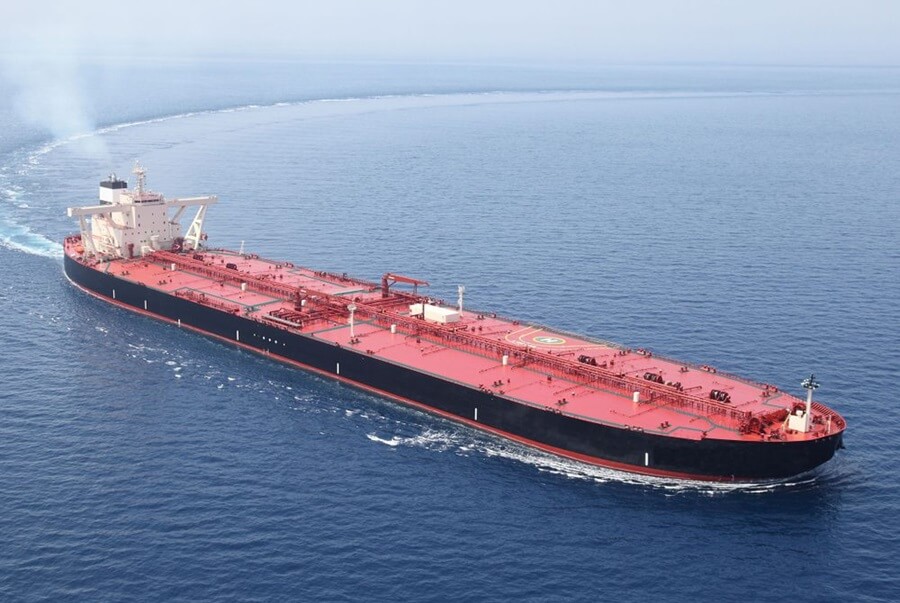
An oil tanker sailing in the sea. Photo: Garry2014/Shutterstock
Baghdad (IraqiNews.com) – Vitol has strengthened its presence in the Iraqi oil market by purchasing at least 25 million barrels of crude in September 2026, a move reflecting how major oil traders are capitalizing on supply disruptions in the Gulf region.
The Swiss-based Dutch multinational energy and commodity trading company is leveraging its shipping and logistics capabilities to provide export outlets for Iraqi crude amid the challenges facing tanker traffic through the Strait of Hormuz due to the conflict between the United States and Iran.
These purchases come as Baghdad seeks to maintain oil flows to global markets following a decline in exports during the early months of the war, when securing the transport of shipments from Iraq’s southern ports proved difficult.
The deal highlights the shifting dynamics of the Middle East oil trade, where the ability to secure tankers and arrange transportation has become a critical factor in accessing crude oil, alongside Iraq’s use of price discounts to attract buyers willing to take on shipping risks.
Vitol has purchased between 25 and 30 million barrels of Iraqi crude scheduled for loading this September.
An official in the Iraqi energy sector indicated that the company’s share amounted to approximately 25 million barrels, according to Reuters.
Vitol has become the second-largest buyer of Iraqi oil this month, trailing the Abu Dhabi National Oil Company (ADNOC), which purchased approximately 40 million barrels, compared to about 32 million barrels in August.
The moves came amid a drop in Iraq’s oil exports during the early months of the conflict, owing to the country’s ports’ position in the northern Arabian Gulf and the lack of its own shipping fleet, which hindered petroleum delivery to global markets.
According to data from Kpler, a leading data platform that tracks commodity flows and maritime shipping, Iraqi oil exports from southern ports averaged approximately 2.35 million barrels per day in August.
In August, Iran granted a number of Iraqi oil tankers permission to transit the Strait of Hormuz, following repeated requests from Baghdad for arrangements to ensure continued oil exports.
Iraqi oil shipments face challenges due to navigational risks in the Strait of Hormuz. Vessels transiting the waterway are exposed to the threat of Iranian attacks, prompting buyers to demand price discounts to offset higher transportation and insurance costs.