
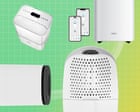
View image in fullscreen Guardian journalism is independent. We earn a commission if you buy something through an affiliate link. Learn more .
Fed up with condensation, mould and musty smells? A dehumidifier could help – plus, they’re a cheaper way to dry laundry compared with tumble dryers
The best electric blankets and heated throws, tested by our expert
Caramel Quin Wed 30 Sep 2026 16.07 CEST Share Prefer the Guardian on Google You don’t have to live in the American deep south to feel the effects of humidity. At home, just breathing makes the air more humid, let alone cooking or showering.
And when it gets too humid, it’s bad for our health as well as our homes. In fact, the two are connected: humidity lets mould and dust mites flourish – and they, in turn, can trigger asthma and allergies.
Dehumidifiers can make your indoor environment more comfortable by reducing the amount of moisture in the air. Because of this, they’re also a great laundry-drying hack. I use mine to dry clothes fast, and for a fraction of the cost of tumble drying.
Not sure if you need one? You can buy a hygrometer cheaply – the one I used for testing cost less than £10 – to check your home’s relative humidity and make an informed decision. Should you opt to buy one, do your research at reputable sources (like, hint, the Filter). Researching this piece, I was shocked to learn that customers had been duped into buying very basic dehumidifiers for well over the odds.
Best budget dehumidifier VonHaus Smart dehumidifier with laundry mode
Best combined dehumidifier and air purifier Devola Platinum hybrid DVHA20L
Best dehumidifier for drying laundry Duux Bora Smart
Best quiet dehumidifier MeacoDry Arete Two
Why you should trust me I’m an award-winning consumer technology journalist with decades of experience testing electrical appliances; I’ve been reviewing gadgets for almost 30 years. I live in a terrace house with a lovely number of children and far too many pets, so there’s lots of laundry: I use a dehumidifier to dry clothes. I’ve also been known to use one for speedy DIY, drying plaster and paint faster.
View image in fullscreen Each dehumidifier’s performance, energy consumption and noise levels were recorded. Photograph: Caramel Quin/The Guardian I selected 14 dehumidifiers from leading brands to test, then set them up and used them, each for several days. I used a power meter to measure how much electricity (and therefore money and carbon) they use. Using the Sound Meter app, I measured the noise from 1m away in decibels (dB) on multiple occasions – the figures featured here are all the ones that I measured at home, in consistent conditions, so they often differ from manufacturers’ official figures, which are measured in lab conditions but in inconsistent ways. More subjectively, I paid attention to the quality of the sound – was it annoying, gurgly, hard to ignore, easy to fall asleep to? And I measured each dehumidifier’s size.
To measure the room’s humidity while testing, I used a digital hygrometer held 1m away (though humidity would be roughly the same elsewhere in the room), and a thermometer to check the temperature. Dehumidifiers fill a tank with water they have extracted from the air, so one measure of how good a job they’ve done is to measure how much water is in there – which I did, using a jug.
Because conditions vary from moment to moment and room to room, it was impossible to test each one in precisely the same conditions. As such,…