
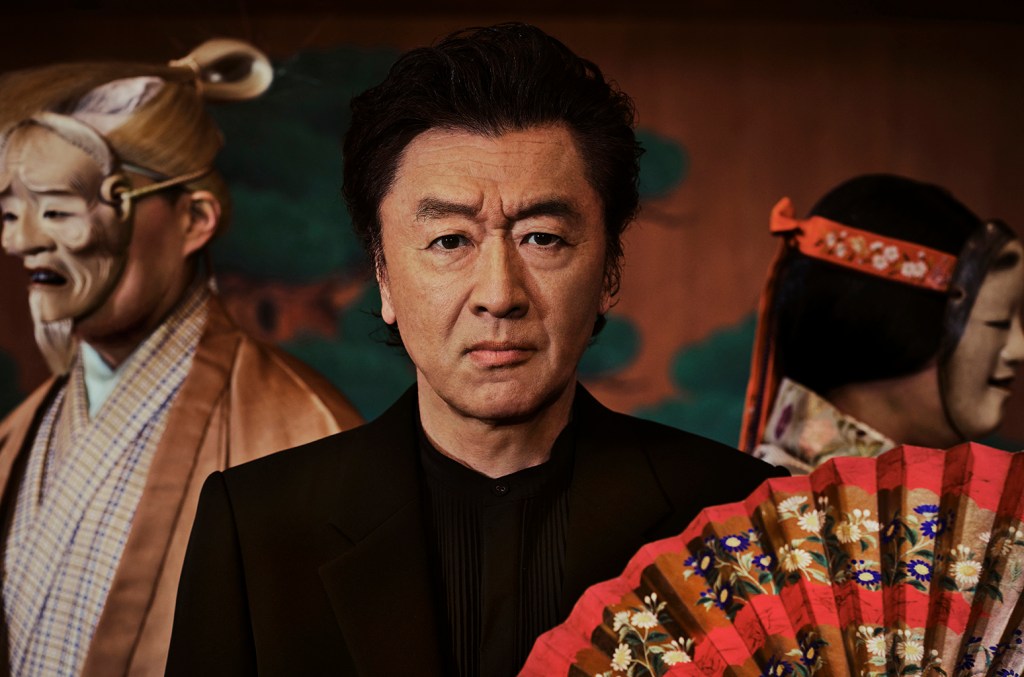
Keisuke Kuwata released his new single “Hitotarashi” on June 24. The vocalist of Southern All Stars — Japan ‘s beloved pop/rock band, celebrating its 48th anniversary this year — Kuwata has been a defining force in Japanese music since the band’s 1978 debut single “Katte ni Sinbad.” Across decades of hits both with the band and as a solo artist, he has stood as one of Japan’s premier melody-makers, shaping generations of musicians along the way. Related Stella Lefty Is 'So Dead' Over 'Saturday Night Live' Sketch Roasting the Debate Around Her Songwriting Credits American Authors Are Taking 'Best Day of My Life' to a Whole New Generation With Kids Project Bogoo's Best Day Vince Staples Has a Message for Critics: 'Albums Aren't Supposed to Be Perfect' Explore Billboard See latest videos, charts and news
Released as Kuwata’s solo work, “Hitotarashi” serves as the opener for the anime series Akane-banashi , set in the world of rakugo (traditional Japanese comic storytelling). It marks the first time in his long career that Kuwata has written a song specifically for a particular anime title. Having deepened his interest in traditional Japanese culture in recent years and channeled that fascination into his songwriting, the 70-year-old hitmaker delivers a track that pushes his brand of Japanese pop into even more distinctly original territory. At a moment when music tied to anime is carrying Japan’s culture out into the world, what lies beyond the new door he’s knocking on? Billboard Japan spoke with Kuwata to find out.
This is your first-ever anime theme written from the ground up. How did the project come together?
My staff first told me the production wanted me specifically, so I read the manga it was based on. The story is set in the world of rakugo , one of Japan’s traditional performing arts, so maybe they felt some kind of kinship with me, having done music for so long, because they made such a passionate offer. I’m not deeply versed in rakugo , but I’m a fan and go see it now and then, so given the connection, I took it on. But then they asked me to do both the opening and ending themes, and I thought, “Wait, is that normal for anime?” [ Laughs ] That’s when the pressure really hit. My staff put together research on who’d done theme songs for anime adaptations in recent years and what BPMs they used, that kind of thing. Once they’d gone to that much trouble, I gradually started getting into it, and little by little I got a feel for the temperature of it, so to speak, the drive an opening needs, the overall mood in my own way.
What thoughts went into the title, “Hitotarashi”?
The verb “ tarasu ” (to beguile) contains the kanji character for “mad” alongside the speech radical. I think song and dance entertainment like ours, and rakugo too, have always in some sense belonged to people who exist outside society’s usual order. By nature, the people who preside over the performing arts aren’t supposed to have a place within ordinary social life, and now on top of that we have all these compliance standards. But deep down, I think everyone secretly feels, “We do need people like that, don’t we?” And maybe the heroine, Akane, is someone who instinctively carries that same feeling. Whether you&#…