
By Ryan Epps Published Oct 15, 2026, 10:21 PM EDT Opinion Redrick Schuhart's final words offer a remarkably simple wish
Image: Mofilms Add Us Add on Google Preferred Source Google Discover Jump links Jump Links Roadside Picnic’s haunting final wish The hope hidden inside Roadside Picnic’s ending Like Like follow Follow followed Followed Thread 2 Log in Here is a fact-based summary of the story contents: Try something different: Show me the facts Explain it like I’m 5 Give me a lighthearted recap The world of science fiction literature is home to countless unforgettable closing moments, from 1984 ’s short but devastating retrospective ("He loved Big Brother") to The Three-Body Problem ’s defiant reminder that humanity, like the locust, cannot be so easily wiped out. The best sci-fi endings don't offer comfortable closure. Instead, they reframe everything that came before them. In their closing lines, great sci-fi authors love to leave readers suspended in the aftermath, forced to sit with the terrifying mechanics of cold technology, the fragility of human nature, and the vast expanse of space.
Every once in a while, I come across a line that feels bigger than the book that birthed it. Of course, there are classics with years of literary study behind them that speak volumes on the nature of society, technology, or the world writ large. But few are quite as elegant or as profoundly humanistic as the final moments of Arkady and Boris Strugatsky’s Roadside Picnic . The 1972 novel offers a very different kind of sci-fi ending than its myriad predecessors and successors.
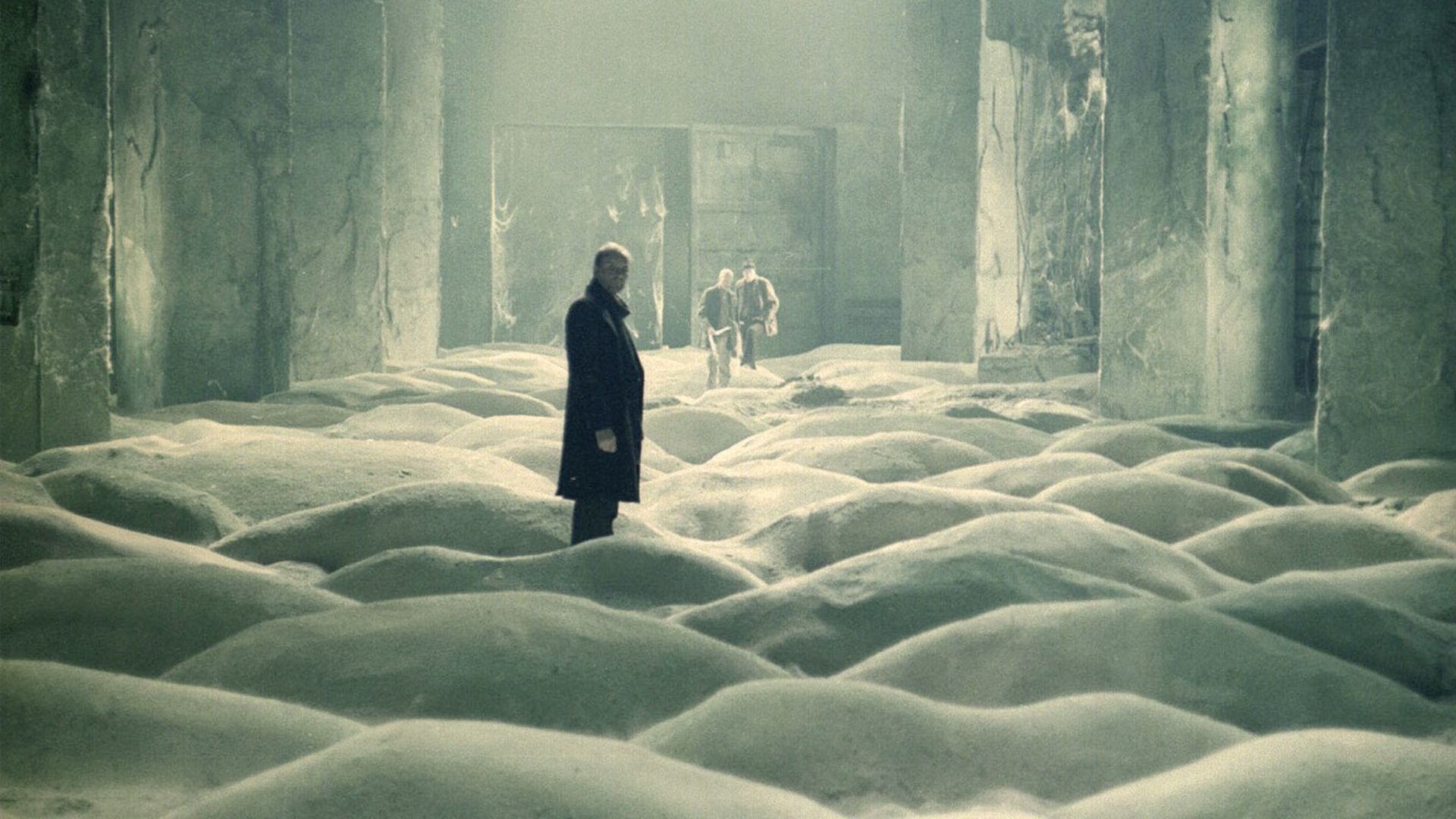
Image: Polygon A grounded masterpiece of Soviet-era speculative fiction, Roadside Picnic explores a vision of first contact where humanity isn't a partner or an enemy, but an afterthought. The extraterrestrial life forms briefly touch down across six isolated sectors on Earth, linger without acknowledging human life, and vanish as abruptly as they arrived. What they abandon isn't a message or a technology transfer, but cosmic litter: lethal spatial anomalies, defying physics, filled with inexplicable artifacts. In the wake of their departure, these quarantine areas — called "Zones" — become dangerous frontiers where cold state science and desperate black-market "Stalkers" risk death just to sift through the trash of an alien passerby who didn't even notice us.
In its closing moments, the story shifts from a gritty sci-fi noir into a devastating existential tragedy. Redrick Schuhart, a Stalker who enters the Zone illegally to find and sell loot, reaches the legendary Golden Sphere (a wish-granting alien artifact), but only after knowingly sacrificing a naive young companion to clear a lethal anomaly. When Redrick finally sits before the Sphere, traumatized and hollowed out by a lifetime of violence, he suffers a complete psychological collapse. Realizing he is incapable of formulating a single selfless thought of his own, he falls to the ground in tears and simply echoes the dead boy's final words back to the machine.
“Happiness for everybody, free, and no one will go away unsatisfied!”
That desperate act of surrender delivers one of speculative fiction's most haunting final lines. Antonina W. Bouis’ 1977 translation renders it with a focus on transactional satisfaction, but a 2012 translation by Olena Bormashenko restores the original Russian text’s all-caps formatting to convey an internal, soul-tearing scream: “HAPPINESS, FREE, FOR EVERYONE, AND LET NO…