
Livestream Menu Make It select USA INTL Livestream Search quotes, news & videos Livestream Watchlist SIGN IN Create free account Markets Business Investing Tech Politics & Policy Video Watchlist Investing Club PRO Livestream Menu
One of the last big campaign-finance snapshots before the Nov. 3 Election Day is now available, and both political parties found something to like. But campaign cash is flowing in very different ways — and, on balance, points to an environment more favorable for Democrats.
On one side, Democratic candidates have turned into absolute cash cows, raising oodles more than their Republican rivals across Senate and House battlegrounds.
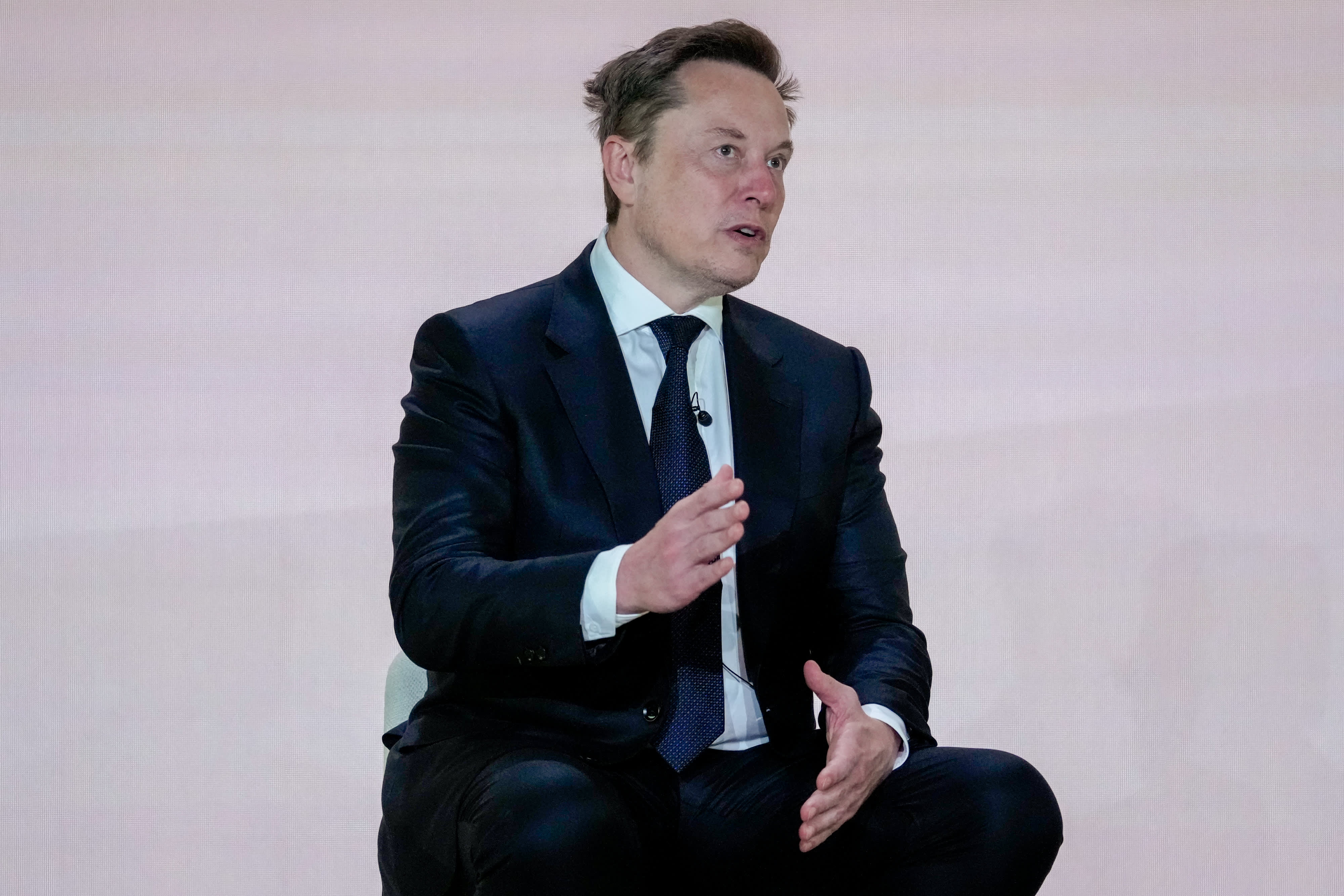
Republicans, however, still have a leg to stand on from an unprecedented flood of outside super PAC cash , bankrolled by a tiny circle of billionaires led by Tesla and SpaceX CEO Elon Musk . The deluge of capital could be enough to stave off the worst of what has otherwise been a treacherous political environment for the GOP amid stubbornly high inflation and drooping approval ratings for President Donald Trump.
A flurry of Federal Election Commission filings Thursday at a key deadline detailed what candidates raised and spent from July through September and give insight into many of the outside groups backing them. More of the outside-money picture comes next week with another deadline for additional filings.
If Democrats want a financial case for a blue wave, start with the candidates themselves.
Democratic Senate nominees put up gaudy third-quarter totals. James Talarico raised $60.2 million in Texas, Jon Ossoff brought in $33.1 million in Georgia and Abdul El-Sayed raised $30.7 million in Michigan. Sherrod Brown brought in $23.1 million in Ohio, while Troy Jackson raised $20.4 million in Maine, Mary Peltola $14.1 million in Alaska and Roy Cooper $12.2 million in North Carolina.
Even in reliably red Kansas, Democrat Adam Hamilton raised $9.4 million .
In several of those races, the Republican numbers were not even close. Ken Paxton raised about $10.2 million in Texas, Mike Rogers $9.7 million in Michigan, Susan Collins $5.2 million in Maine and Jon Husted $4.8 million in Ohio.
Candidate dollars are especially potent in the final stretch because campaigns control where they go and qualify for lower television advertising rates than super PACs do. In other words, Republicans may be able to make up a $1 fundraising gap with outside money — but it can cost them more than $1 to do it.
The same fundraising edge stretches into the House.
Democratic candidates outraised their Republican opponents through September in 13 of the 21 House races currently rated Toss Up by Cook, according to a CNBC analysis of FEC filings. In North Carolina's 11th District, for example, Democrat Jamie Ager raised $2.1 million in the third quarter, compared with roughly $313,000 for Republican Jennifer Balkcom .
The fundraising surge coincides with a shifting map: the Cook Political Report with Amy Walter projected last week that Democrats could gain two to six Senate seats — enough to put the four-seat majority threshold within reach — and nine to 19 House seats, which would flip the chamber.
While Democratic candidates dominate direct donations, Republicans are countering with overwhelming outside spending.
The Senate Leadership Fund , the GOP's main Senate super PAC, raised a record $272.9 million from July through September, roughly $122 million more than its Democratic counterpart, ac…