
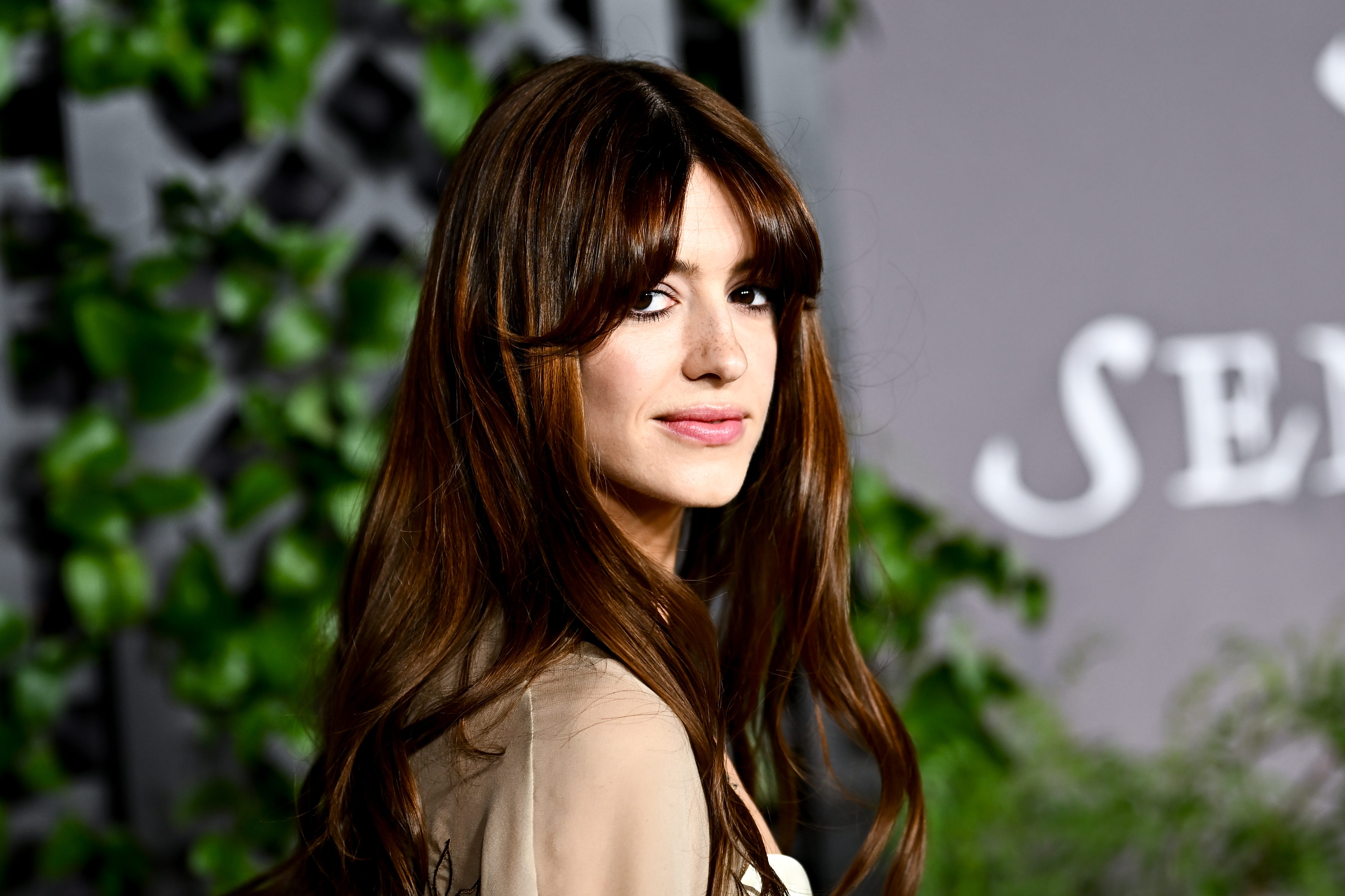
A hairstylist shares her solutions for this pesky brunette hair problem
Every product on this page was chosen by a Harper's BAZAAR editor. We may earn commission on some of the items you choose to buy.
I began dyeing my hair in earnest two years ago with (gasp!) box dye. My grays were becoming more pronounced, and after I had my son, my natural brown hair felt dull and muted. I didn’t want to go blonder, lighter, or more golden, and I don’t have time to sit in a salon for hours. I wanted a deep, dark brown—with no hint of warmth. So I grabbed a dye off the shelf that promised just that.
Who knew that achieving a cool, ashy deep brown would be so tricky, both in and out of the salon? The problem goes something like this: I color my hair, and it looks amazing . It’s rich, it’s deep, it’s cool-toned. A week or two later, I catch a glimpse of my hair in the sunlight and realize I’m literally a redhead. My hair turned red . Red hair is beautiful, but if I wanted red hair, I would have dyed it that way. What gives?
“Artificial hair color always oxidizes, and it almost always reveals warm tones,” says Jenna Mast , a hairdresser at Bond in Hoboken, New Jersey. “There are things you can do to delay it or minimize it, but regular salon visits are important.” Hair color is both an art and a science. “Simply put, it is oxidation of the color, which reveals the underlying pigment of the hair that was colored,” says Mast. “Artificial color molecules are put into the hair strand, and as the cuticle is opened—whether with heat, chemicals, time—the artificial color molecules escape and reveal the natural underlying melanin in the hair.”
Think of it like painting. The blue color molecule in most dyes is the largest, so it leaches out of the hair first over time. Without the blue toning your hair, the warm pigments (yellows and reds) become more pronounced. This is true for both salon dyes and box dyes, but in the salon, Mast says, your colorist can custom-mix a demi- or semipermanent formula using specific color lines to minimize hair swelling and damage. “A higher amount of peroxide always equals more warmth exposed,” she says.
Our hair’s natural warmth and texture also play a role. “Every person has a different melanin concentration in their hair strands, and it doesn’t correlate to skin color the way we often think of melanin. Somebody who naturally has super dark hair, thick strands with highly concentrated melanin, is always going to have more warmth,” she notes. “Whereas somebody with softer, finer hair that’s also very dark might not have as much warmth.” That’s where a pro colorist can mix the right dye to neutralize your hair’s unique baseline tone. “As a colorist, I always pull from my art background,” she adds. “If I were painting the same tone watercolor over multiple different starting tones, it would look different on each one.” Mast continues: “A lot of people tend to think, ‘I just want cool brown; it should be simple,’ but depending on your unique hair strand, styling, and lifestyle, a formulation is more than choosing a swatch in a color book.”
This in-shower gloss and toner helps boost your hair color and shine and eliminate red tones with a green pigment.
Box dyes, like the ones I use and love, complicate things even more. “Box dye is tricky; it’s meant to be a one-size-fits-most product. The box cannot determine your grey percentage, porosity, environment, etc.,” she says. Box dyes can be harsh, swelling the hair’s cuticle to…