
A delivery forecast can look convincing even when the package never made it onto the truck. That gap between a digital record and a physical event underscores why Impinj’s Physical Intelligence strategy deserves attention.
As I discussed in a recent EduSeries episode, RAIN RFID can give AI better evidence about what’s happening to goods. Impinj’s opportunity is to make that information more useful across enterprise operations. The company has a credible growth strategy built on established technology and a clearer case for its role in enterprise AI.
Impinj’s Sept. 22 announcement introduced a new vision for its platform, supported by a refreshed brand. It wasn’t presented as the launch of an entirely new product family. That distinction helps set reasonable expectations.
Impinj uses Physical Intelligence to describe the real-time item data that connects physical operations with enterprise AI. It differs from Physical AI, which includes robots and equipment that act in the world. Impinj focuses on providing information and insights.
The foundation is RAIN RFID, a form of radio frequency identification. Battery-free tags give items a wireless identity, and readers detect them without the direct line of sight that barcodes require. Impinj says its technology has connected more than 160 billion items cumulatively.
That experience gives the strategy substance. Impinj already supplies the components and expertise needed to capture data about physical objects and events at scale.
The AI connection has two distinct parts.
Inside the tracking system, Impinj says machine learning helps locate items and track movement. Radio readings need interpretation, particularly when readers detect tags outside the intended area. Better interpretation of when and where items of interest are moving can improve the quality of information sent to business applications.
Enterprise AI then uses those events alongside business records. A package observation becomes more valuable when software knows which order it belongs to and whether that order is complete.
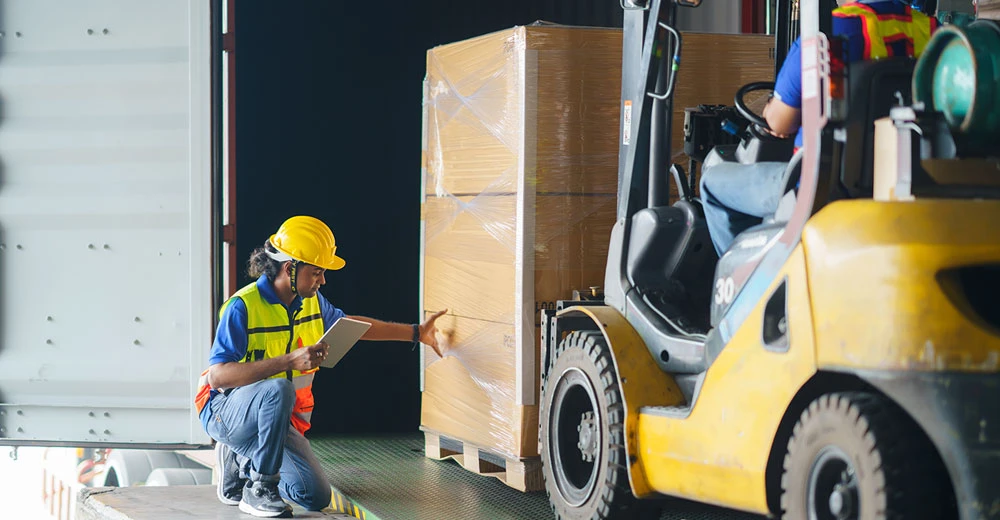
Impinj’s Physical Intelligence platform connects item identification and tracking with enterprise analysis and automation. (Image Credit: Impinj)
This relationship strengthens the case for investing in RFID. As companies automate more decisions, the cost of acting on incomplete information becomes harder to ignore. Better observations can help them get more value from their AI spending.
Some actions still need only conventional software rules. The announcement doesn’t quantify how much machine learning improves tracking performance. The case for giving enterprise systems better data is persuasive without assuming every inventory event needs an AI model.
An inventory count on Monday can become outdated long before the next scheduled check. Fixed readers help capture movement between those counts, giving businesses a chance to address mistakes while correction is still relatively inexpensive.
That can change how employees spend their time. Instead of repeatedly counting stock or searching for missing goods, they can investigate exceptions and assist customers.
UPS offers a useful industry example. The company reports that RFID has helped reduce the number of packages loaded onto the wrong delivery vehicle by nearly 70%, showing how better visibility can reduce operational errors.
That result doesn’t isolate AI’s contribution or establish a direct Impinj supplier relationship. It does demonstrate w…