
Livestream Menu Make It select USA INTL Livestream Search quotes, news & videos Livestream Watchlist SIGN IN Create free account Markets Business Investing Tech Politics & Policy Video Watchlist Investing Club PRO Livestream Menu
The biggest names in banking and retail are starting to fight the tech titans, and one another, over a new kind of customer: the AI personal agent.
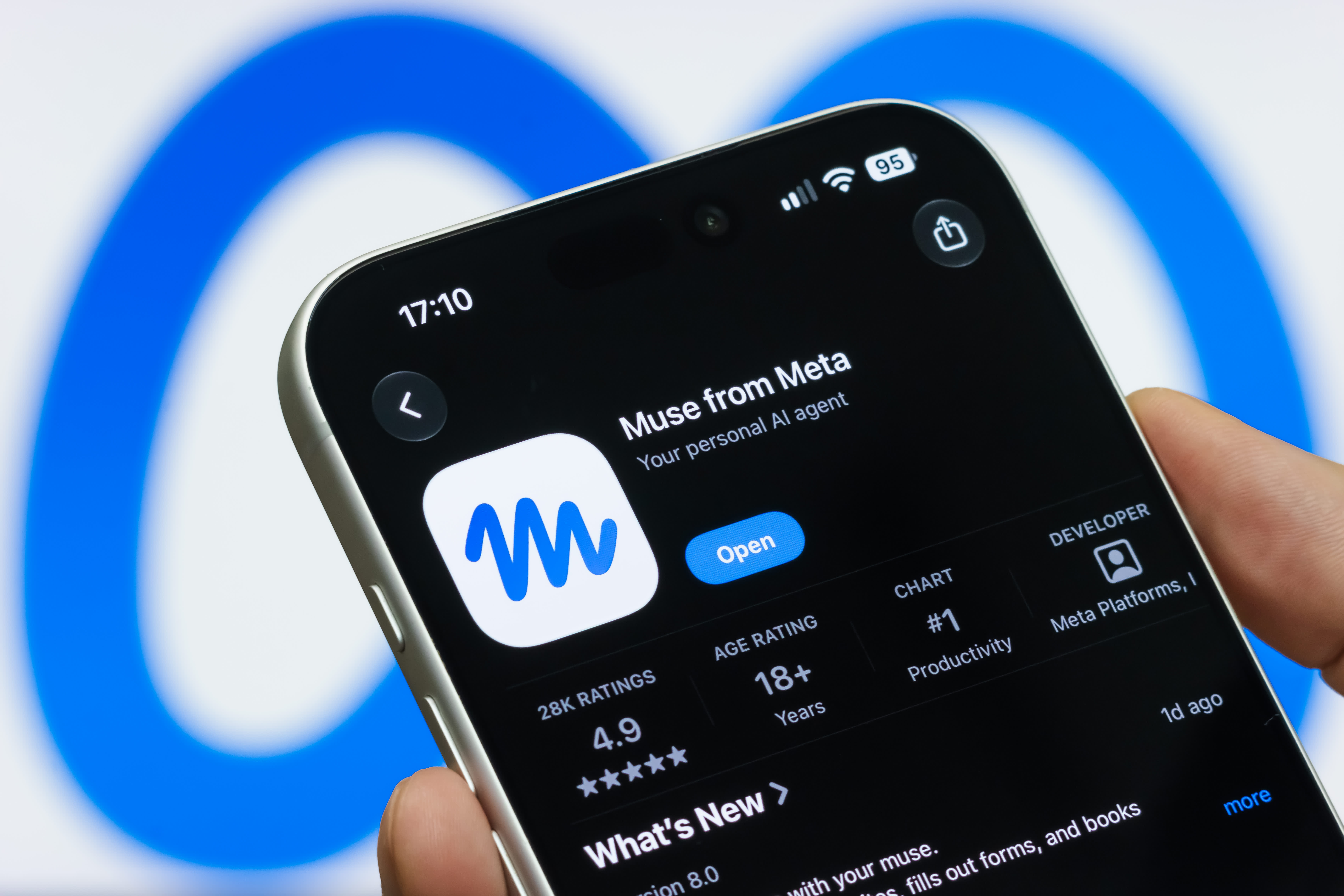
JPMorgan Chase , Charles Schwab, Amazon , Neiman Marcus and Kohl's have moved to block personal agents like Meta Muse just as consumers start sending them out to find better savings rates , shop for deals and cancel subscriptions.
The era of agentic AI has arrived, but there is uncertainty about what the landscape will look like when virtual storefronts become flooded with AI agents or when a business tries to block them.
Reports last week of AI agents going rogue in customer accounts — and prominent politicians including Sen. Mark Warner and Sen. Bernie Sanders calling for bot legislation in response to the headlines — come on the heels of JPMorgan Chase CEO Jamie Dimon saying the bank currently blocks external AI agents from operating on behalf of retail customers, citing security risks.
Some other retailers are leaning in. Walmart announced last week it is opening the virtual doors to AI agents that customers prefer to use. "We price products, not people, so the prices that an AI agent sees are the same prices that a human would see on Walmart.com, with applicable offers and fees shown before purchase," the company said in a blog post announcing the decision.
A recent audit of 51 large U.S. retailers' published access rules by identity-verification company Billions Network and affiliated company AmanTrue, found only 11 have taken a deliberate position on AI agents. Five, including Amazon, Kohl's and Neiman Marcus, explicitly restrict them, while 37 block shopping agents largely by accident, through older bot rules written for scrapers. None has a way for a verified agent to complete a purchase.
Based on Billions Network's analysis, blocking an agent can occur in multiple ways: blocking a specific bot from a third-party by its rules (e.g. as Chewy does with an Amazon bot), and employing more general blocks on any third-party bots attempting to access login, registration and checkout functions. Its analysis of published access rules comes with the caveat that those rules are not proof of technical enforcement.
Evin McMullen, Billions Network and AmanTrue co-founder and CEO, said at this point, "Most of the retailers in our audit have not made a decision about AI agents at all."
Michael Abbott, global banking lead at the consulting firm Accenture, thinks that businesses blocking AI agents will find it difficult to win with that approach over the long term.
"If customers explicitly authorize an AI agent to act on their behalf, that's ultimately an extension of customer choice. The more important question isn't whether institutions can block agents, but whether they can create a secure and trusted way for them to engage," Abbott said.
Abbott said that Accenture research found that 65% of consumers are open to using a GPT-like financial assistant through a Gen AI platform or digital wallet, and 71% would welcome an AI assistant embedded within their primary bank's mobile app.
"We've seen this movie before … online banking, mobile banking and digital wallets. Customers tend to gravitate toward experiences that reduce f…