
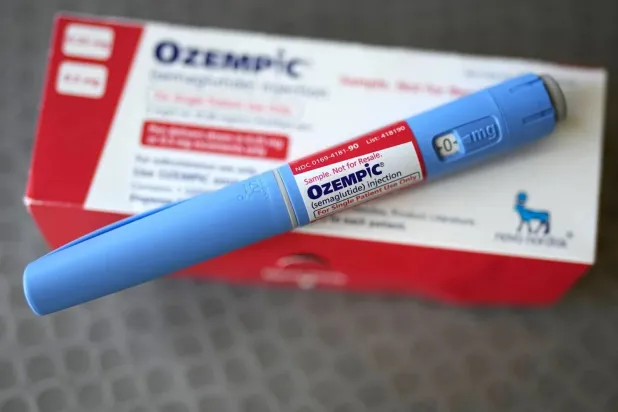
A new study revealed that individuals using weight-loss medications from the "GLP-1" class, such as "Ozempic" and "Wegovy," tend to reduce their levels of physical activity after starting treatment, despite losing weight.
According to a report published by "Fox News," the study results are set to be presented at the ENDO 2026 annual conference of the American Endocrine Society in Chicago.
The study's lead researcher, Dr. Saghana Maharjan from the HSHS St. John’s Hospital in Illinois, stated that GLP-1 drugs like semaglutide, liraglutide, dulaglutide, and tirzepatide not only lead to fat loss but may also cause loss of some lean muscle mass.
She added that physical activity remains a crucial component for maintaining strength and long-term health.
The study relied on data from a research program associated with the U.S. National Institutes of Health that links the health records of participants to physical activity tracking data.
The researchers analyzed data from 753 obese individuals who began using one of the GLP-1 medications, with an average participant age of 52.7 years, mostly women.
The results showed that the average daily step count decreased from 5047 steps to 4487 steps daily, while moderate to vigorous physical activity duration dropped from 28 minutes per day to 22 minutes.
The largest decline in physical activity was recorded among men and individuals experiencing muscle or joint pain.
Other factors such as age or previous heart failure or stroke did not affect the results.
Despite the common belief that weight loss may drive individuals to engage in more physical activity, the study found no evidence supporting this hypothesis.
Maharjan noted that the findings emphasize that exercise is not an