
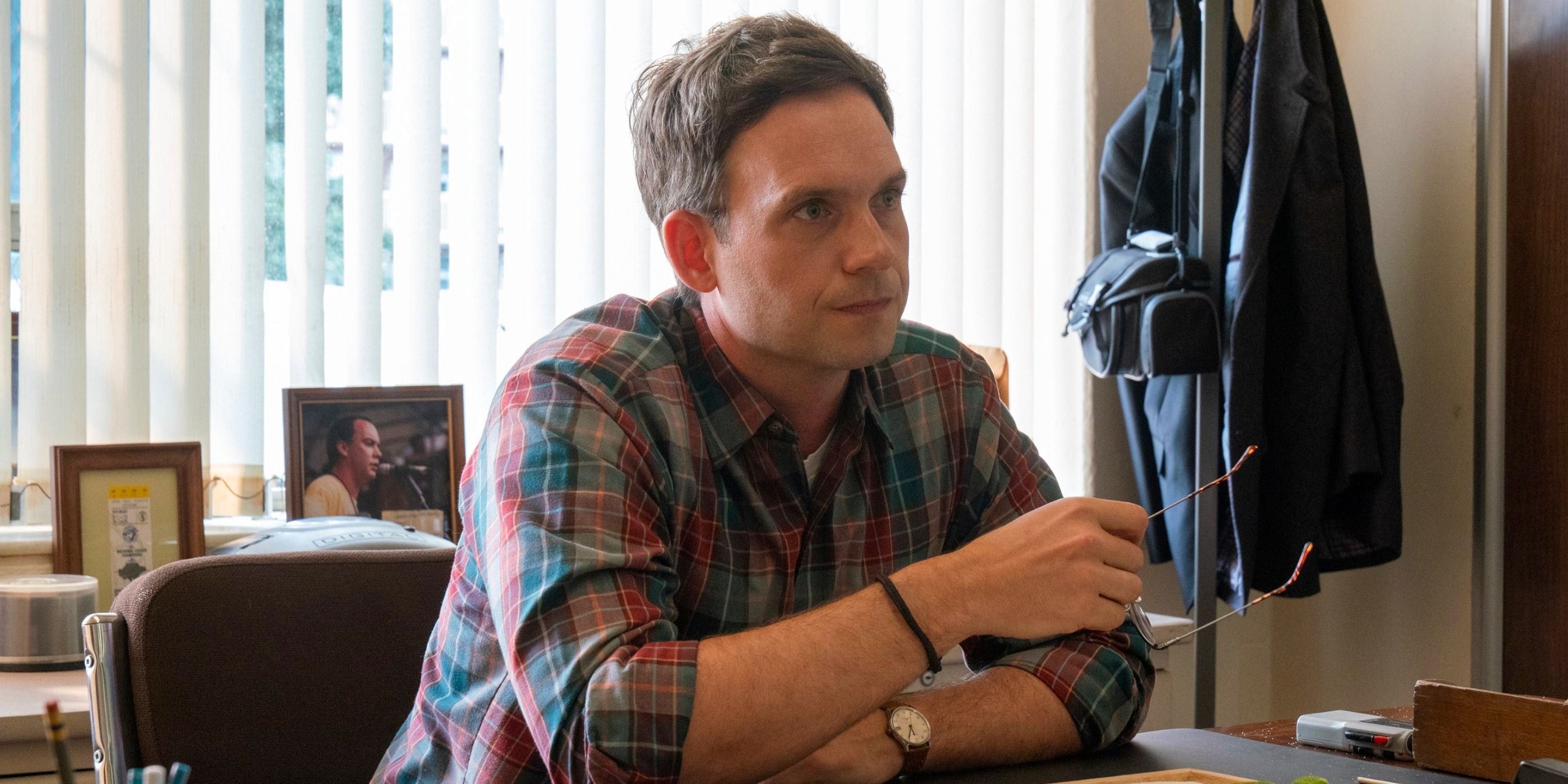
Image via Michael Gibson/Netflix; Everett Collection By Jessica Toomer Published Jun 18, 2026, 11:27 PM EDT Jessica is a journalist, editor, TCA critic, and multimedia storyteller with a decade of experience covering pop culture, film, TV, women's sports, lifestyle, and more. She earned her degree in journalism from the University of North Carolina-Wilmington with a focus in creative writing before moving to N.Y.C. and getting her start at The Huffington Post . (She still misses those nap pods.) She's covered multiple film festivals, recapped some of your favorite series, worked too many red carpets to count, and even yapped on a podcast or two. When she’s not interviewing your favorite showrunner or ranking Ryan Gosling's best roles for places like UPROXX, Teen Vogue, Marie Claire, The Daily Beast, and Cosmopolitan , she’s busy being a full-time hype woman to her cat, Finn. You can find her on Bluesky and, sadly, Twitter . Sign in to your Collider account Add Us On Summary Generate a summary of this story follow Follow followed Followed Like Like Thread Log in Here is a fact-based summary of the story contents: Try something different: Show me the facts Explain it like I’m 5 Give me a lighthearted recap At first glance, Netflix’s Wayward looks like your standard compulsive crime binge : some teens disappear, a cop investigates, secrets unravel. But peel back the layers, and it’s way creepier . Toni Collette isn’t just intimidating — she’s doing inexplicable things with toad venom while the small town of Tall Pines simmers with cultist behavior. Still, as weird, sinister, and slightly unhinged as the show’s eight-episode plot is, it barely scratches the surface of the terrifying real-life tragedies on which it’s based. Beneath Wayward’s wild central mystery is a sharply smart take-down of an entire industry whose decades-long abuses are only now beginning to be exposed. We’re talking about the world of “troubled teen” programs.
These aren’t just off-the-map schools with bad cafeteria food and negligent camp counselors; they’re institutions with a documented history of abuse, neglect, and fatal outcomes, all dressed up as “behavioral reform.” The show makes a point to never shy away from the horror lurking behind their closed doors, and thanks to creator and star Mae Martin ’s own experiences, even the most unbelievable elements carry a hint of authenticity. Add Collette’s barely-contained menace and a cast of wide-eyed teens navigating moral minefields, and you’ve got a thriller that crawls its way under your skin, using real life to inspire its nightmarish horrors.
Now, yes, Wayward ’s Hawthorne Academy is special. It’s got Collette doing her best Charles Manson impersonation as a tyrannical headmistress with mommy issues , maladjusted counselors who’ve been lobotomized so that they can better torture their students, and strange dietary restrictions involving brown foods. It’s ridiculous, it’s over-the-top — and the scariest part is how much of it feels borrowed from reality . These kinds of programs actually exist, and their rap sheets are horrifying. Trinity Teen Solutions , a Wyoming “residential treatment center,” recently paid out a multi-million-dollar settlement after former students described being forced into grueling labor and punishment disguised as therapy. In Utah , at least seven teens have died at treatment facilities since 2021, some from preventable illnesses, others while under watch for suicidal thoughts, all trage…