
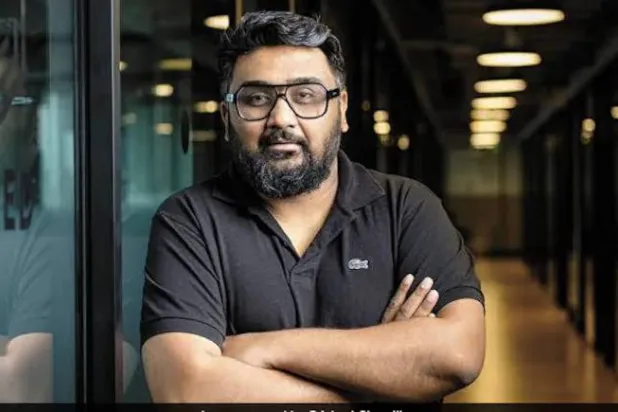
Meta has chosen Indian Kunal Shah, founder of a fintech company, to take on the role of the new head of WhatsApp, as the American tech giant seeks ways to monetize its vast user base on the messaging app.
The announcement, made yesterday evening (Monday), coincided with reports that Meta will also lead a $900 million funding round for CRED, a consumer finance company owned by Shah.
Meta CEO Mark Zuckerberg said in a statement: "Kunal has successfully built CRED into one of the leading tech companies in India." He added, "He has a builder's mindset and a global perspective, traits that will serve him well in leading the world’s largest messaging app," according to Agence France-Presse.
Shah, an entrepreneur and influential figure in India’s fintech space, founded CRED in 2018 after selling a previous startup in the payments sector to Indian e-commerce giant Snapdeal for about $400 million.
He is also considered one of the most active individual investors in India, according to data from Tracxn, a data tracking company; local financial press reports often highlight his quick approval of early funding offers as soon as he hears them.
However, Shah has focused in recent years on building and developing CRED, which started with the idea of offering rewards to customers for paying their credit card dues on time.
Since then, the company has rapidly expanded to offer wealth management, insurance, and lending services to its user base of 17 million.
This experience is likely to support WhatsApp in its efforts to find new revenue streams beyond Meta's core advertising model, which also runs the Facebook and Instagram platforms.
While India is the largest market for WhatsApp, with over half a billion users according to government figures from 2021, analysts believe the app has largely missed the opportunity to build a payment service with the same level of popularity and reach.