
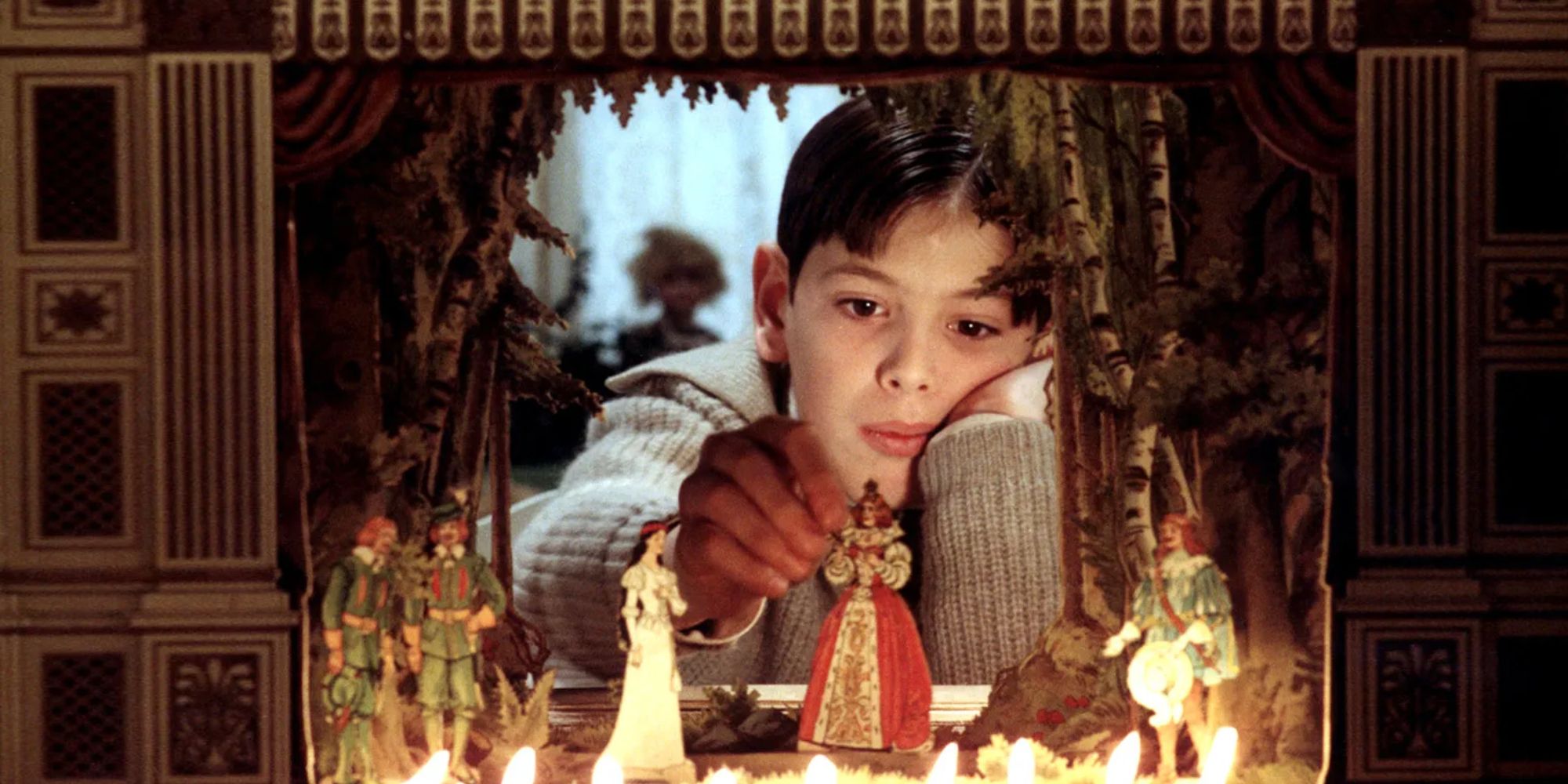
A young boy playing with a dollhouse in Fanny and Alexander (1982) Image via Sandrew Film & Teater By Ryan Heffernan Published Jun 23, 2026, 11:26 PM EDT Ryan Heffernan is a Senior Writer at Collider . Storytelling has been one of his interests since an early age, with his appreciation for film and television becoming a particular interest of his during his teenage years. This passion saw Ryan graduate from the University of Canberra in 2020 with an Honours Degree in Film Production. In the years since, he has found freelance work as a videographer and editor in the Canberra region while also becoming entrenched in the city's film-making community. In addition to cinema and writing, Ryan's other major interest is sport, with him having a particular love for Australian Rules football, Formula 1, and cricket. He also has casual interests in reading, gaming, and history. Sign in to your Collider account Add Us On follow Follow followed Followed Like Like Thread Log in Here is a fact-based summary of the story contents: Try something different: Show me the facts Explain it like I’m 5 Give me a lighthearted recap The nature, experiences, and allure of childhood have, for many decades, been one of the most pointed and powerful ideas cinema has explored. It is no surprise that many of the films that have explored youth the best exude an arresting sense of nostalgic yearning, hearkening to the ideal of childhood’s unburdened freedom to capture an air of wonder, possibility, and fun. However, many of the best movies to examine the theme also come with meditations on the loss of innocence, the pressures of family, and the numbing nature in which a child’s naivety clashes with the harshness of reality.
Ranging from underrated classics of the 21st century to iconic blockbusters of the 1980s, these tales of youth are the best depictions of childhood cinema has ever seen . Furthermore, with films from France, Japan, Ireland, Iran, and Sweden as well as America featuring prominently, this collection of movies also showcases the universality of the appeal of childhood as a time of excitement, wonder, and discovery.
Elliott, played by Henry Thomas, bikes with E.T. in his bicycle basket in E.T. the Extra-Terrestrial . Image via Universal Pictures Marking one of the most iconic titles in Hollywood history, E.T. the Extra-Terrestrial shines not only as a stunning sci-fi blockbuster, but as one of the most mesmerizing and immersive portrayals of childhood to have ever graced mainstream cinema. Entwined in the magical tale of alien companionship and the efforts to elude government agents, it epitomizes the sheer wonder and adventure of youth with a magnetism that makes everyone who views it feel like a child again.
Steven Spielberg is obviously a master of conjuring such a sense of imaginative awe, but one thing he does brilliantly in E.T. is grounding the movie in moments of heartbreaking drama and, at times, even confronting terror. It captures the full array of experiences and emotions children go through , rather than just romanticizing feelings of glee and excitement. Further supported by the exquisite, characterful puppetry of E.T. and Spielberg’s use of perspective that plants the audience in young Elliott’s ( Henry Thomas ) view of the world, E.T. the Extra-Terrestrial is the finest display of childhood awe that blockbuster cinema has ever seen.
A young girl looking played by Catherine Clinch scared in The Quiet Girl Image via Break Out Pictures…