
Enterprise Tech How AI Could Blow Up Corporate Hierarchies By Bernard Marr ,
--:-- / --:-- This voice experience is generated by AI. Learn more . This voice experience is generated by AI. Learn more . Summary AI is poised to fundamentally alter corporate power structures, shifting influence from traditional seniority and experience to AI proficiency and the ability to redesign workflows. Junior employees leveraging AI can now achieve output previously requiring multiple specialists, disrupting established hierarchies. This means power will increasingly stem from AI literacy and adaptability, rather than just job title or tenure. Leaders face the challenge of democratizing AI access, fostering universal AI literacy, and redesigning performance metrics to prevent new divides. The smartest organizations will proactively prepare for this power shift by empowering all employees with AI skills and ensuring opportunities are widely distributed, not concentrated.
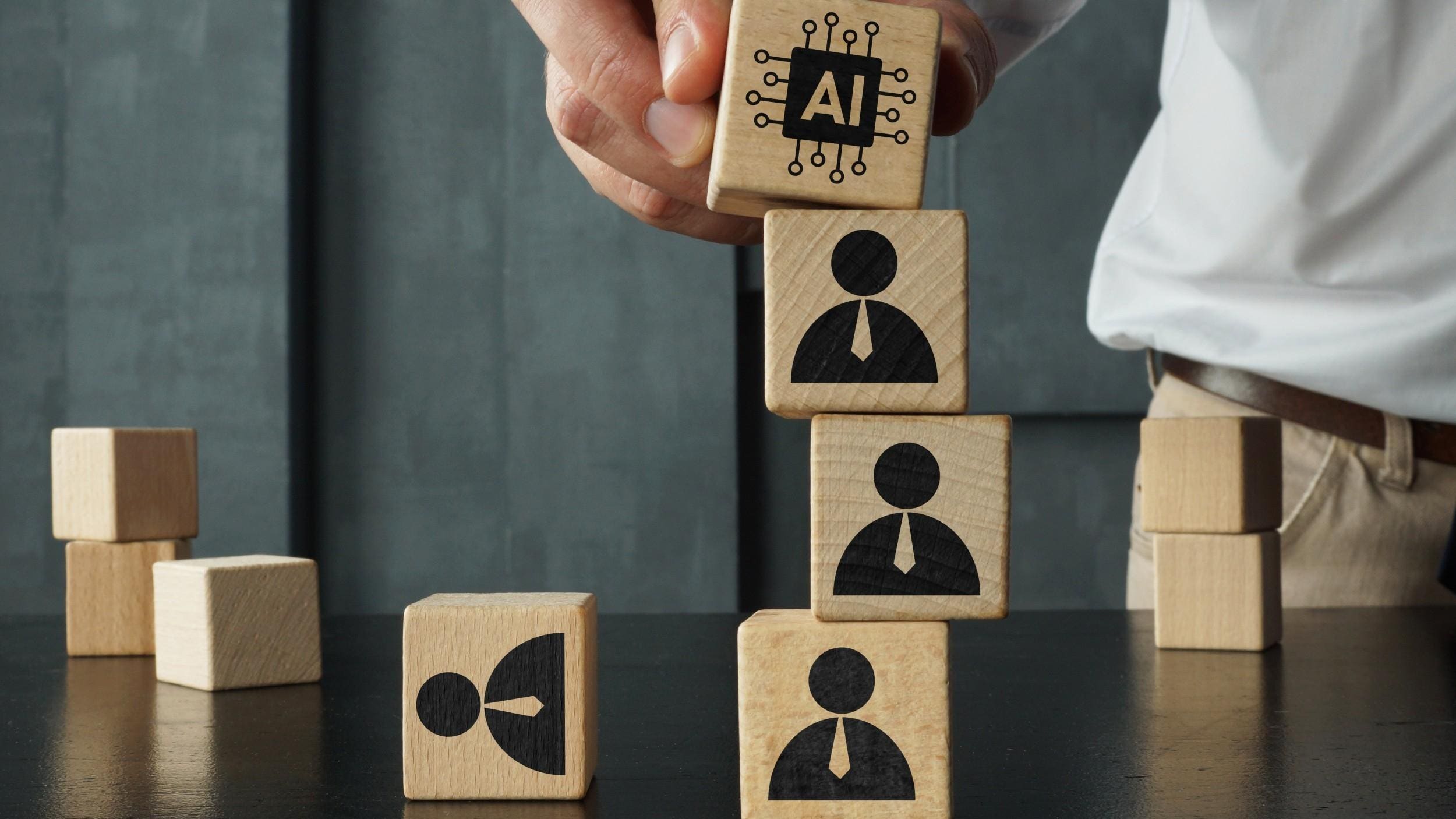
AI is set to reshape workplace hierarchies by giving individuals the power to do work that once required entire teams. Adobe Stock AI could soon change one of the oldest rules of business, the idea that power flows from seniority, experience and position.
For decades, the corporate pecking order has been relatively clear. Senior leaders set direction, managers coordinate work and specialist professionals build status through knowledge, qualifications and experience. AI is now starting to disrupt that structure.
A junior employee with strong AI skills can already produce work that once required researchers, analysts, designers, administrators and technical specialists. Doctors, lawyers, bankers, marketers, product managers and other knowledge workers are seeing parts of their expertise supported, accelerated or automated by machines.
The real disruption is that AI changes the source of workplace power. Influence will increasingly come from the ability to use AI well, redesign workflows and multiply output, rather than from seniority alone.
This does not mean hierarchy disappears. It means the old signals of authority, such as tenure, job title and specialist knowledge, will sit alongside new signals of influence, including AI literacy, adaptability and the ability to redesign how work gets done.
That raises a pressing question for business leaders. What happens when the people who understand AI best are not necessarily the people at the top?
Hierarchies exist for a reason, and most organizations adhere to conventional structures involving senior leaders, middle managers and workers. Responsibility is apportioned accordingly, with leaders accountable for results, managers for implementing and overseeing workflows, and workers for getting the work done.
Today, however, a single worker, particularly in professional and knowledge-based fields, can use AI tools to carry out tasks that once required support from an entire cast of administrators, supervisors, researchers, designers and technical specialists.
This means they can rebuild entire workflows single-handedly.
A marketer can use AI to conduct market research, build a campaign, personalize it for individual customers, analyze its performance and then do it all again, learning from previous results.
A product manager can design, build and test prototypes using AI coding tools, quickly gaining an understanding of how a new concept will work, without a lengthy and expensive research and development process.
The people who can…