
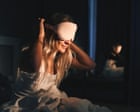
What, if any, are the downsides of sleep masks? Photograph: Ekaterina Goncharova/Getty Images View image in fullscreen What, if any, are the downsides of sleep masks? Photograph: Ekaterina Goncharova/Getty Images The Filter US Sleep Can sleep masks give you zits? 12 things you should know about wearing one I asked sleep experts – plus a dermatologist and ophthalmologist – to answer this question and more
The best sleep mask and best bluetooth sleep mask
Sign up for the Filter US newsletter, your weekly guide to buying fewer, better things
Juno DeMelo Mon 29 Jun 2026 16.15 CEST Share Prefer the Guardian on Google Jump to How does light affect my sleep? Do even small amounts of light matter? What does the research say about sleep masks specifically? What do doctors say about sleep masks? What is the most comfortable sleep mask material? How often should I wash my sleep mask? How can I avoid pimples while using a sleep mask? Can sleep masks help prevent wrinkles? Can sleep masks put too much pressure on your eyes? Which is better, Velcro or sliding adjusters? Is it OK to wear a sleep mask every night? Who shouldn’t wear sleep masks? A glass of wine might help you fall asleep, but it won’t help you stay asleep. Prescription and over-the-counter sleeping pills have side effects. But what, if any, are the downsides of sleep masks ? Can they give you zits? Squash your corneas overnight? And are there any benefits beyond longer, deeper sleep?
I asked sleep experts – plus a dermatologist and ophthalmologist – to answer these questions and more. (We also tested 32 sleep masks to find the very best. Here are our winning best overall sleep mask and best Bluetooth mask .)
Light helps to keep you awake by interacting with your brain via special receptors in your eyes that signal the hypothalamus and pineal gland to suppress the hormone melatonin. “One function of melatonin is to regulate sleep timing, so light tends to delay sleep onset,” explains neurologist Chris Winter, a sleep specialist and the host of the Sleep Unplugged podcast. In other words, light tells your brain that it’s daytime.
View image in fullscreen Photograph: DragonImages/Getty Images Do even small amounts of light matter? “Small amounts of light can still have a measurable effect,” says Winter. One small study by Korean researchers, for example, showed that overnight exposure to dim artificial light increased the frequency of arousal and the amount of shallow sleep. Accordingly, sleep experts say that the maximum amount of light that reaches special circadian rhythm – regulating cells in your eye should be a mere one lux overnight (compared to a minimum recommendation of 250 lux during the day). Translation: your bedroom should be as dark as possible. Kristin L Daley PhD, a licensed psychologist and fellow of the Society of Behavioral Sleep Medicine, suggests this test to gauge just how cave-like yours is: “Turn out the lights, give your eyes a few moments to adjust to the dark, and then reach out your hand,” she advises. “If you can still see it, your environment has too much light.”
Read more: The best sleep masks in the US in 2026: I spent nine weeks testing 32 masks, and these are my favorites
Researchers have conducted a number of studies on sleep masks, 31 of which were included in a 2023 meta-analysis comparing 11 different interventions for improving sleep quality, including aromatherapy, listening to music, and guided imagery. The findings? The two most effective…