
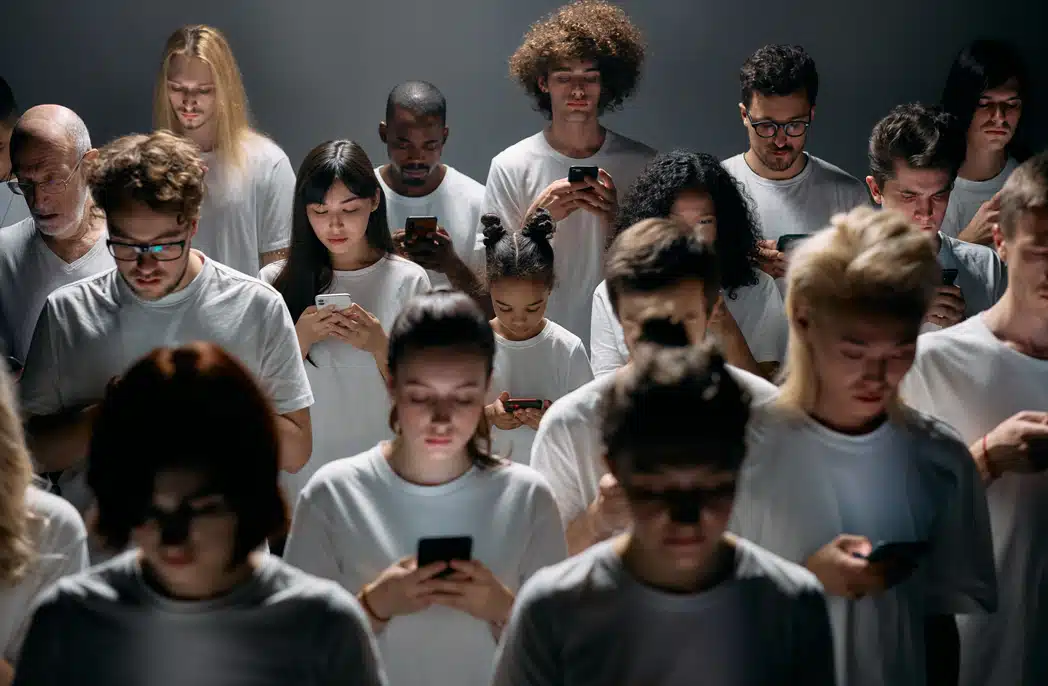
For two decades, social platforms have been building the most successful attention-capture machines in the history of media. This March, 12 jurors in Los Angeles decided those machines had crossed a line.
The court found Meta and YouTube liable for designing platforms that were intentionally addictive. Legal observers are calling it social media’s tobacco moment, with around 4000 similar claims queued up behind it . Engagement, the metric platforms built themselves around for a decade, is now evidence against them in court.
While the legal battle plays out in US courts, the commercial fallout is already arriving on the desks of Australian marketers.
Even without the courtroom drama, time on screen has slipped from a headline metric to a soft signal on briefs. Clients want to know what people did with their time, not just how much of it they spent. Platforms are now competing on whether they help people connect, belong and do something off the app.
Pinterest’s ‘ How Did They Do It’ campaign, the first major work under new CMO Claudine Cheever, splices old home-movie clips from the 1950s to the ’80s with children today scrolling their feeds. A young narrator wonders aloud how people lived without posting about it. The pitch lands somewhere between scolding and inviting: close the app and go and do something.
Pinterest has been telling this story for a while. The new campaign makes it impossible to miss. As Cheever frames it, most platforms compete for time inside other people’s lives. Pinterest is competing for time inside yours. If a session ends with a booked holiday or a kicked-off renovation, the platform counts that as a win.
Platforms aren’t the only ones rewriting how they show up. The world’s biggest legacy brands are following them there. Take football, of all places. Arsenal’s new global partnership with Meta , utilising WhatsApp and Facebook, is built around the communal celebration that follows a goal and the conversations that carry it across the rest of the week.
WhatsApp group chats are where supporters debate team selection at 2am, send reaction memes and turn injuries into custom stickers. Facebook groups are where they organise local watch parties and find other fans in their suburb. Arsenal isn’t trying to drag fans into a branded environment. The club is showing up inside the rooms where the fandom already lives.
Brands belong inside a community when they’re useful to what’s already happening there, not by mining it for attention. For younger audiences who spot algorithmic manipulation from a mile away, showing up as a peer is a way in.
If platforms are getting useful, brands need to follow. The instinct is to find ways to insert yourself into the conversation. The brands doing this well do the opposite. They make themselves useful enough that the conversation invites them in. Three principles tend to guide that work:
The brands that build communities act more like party hosts than star performers. They make space for the conversation instead of being the conversation. Look at Rare Beauty . Its entire mission can be summed up in a single line: ‘Makeup made to feel good in’. The product is real, but the community sits one layer up, around the idea that you don’t need to fix anything about yourself to look good. When you’re that clear, the community can tell you mean it.
Begin with what your audience already cares about, not what’s o…