
Anyone who follows my work knows I have never been a big fan of Apple. I generally favor open ecosystems, modularity, and raw performance over Apple's closed approach.
As a regular builder of high-performance desktop computers — typically completing two extensive builds per quarter — I strongly favor the AMD Threadripper and Ryzen AI processor lines. For mobile productivity, I prefer 16-inch laptop form factors that offer professional utility, and I actively champion modular PC designs like the Framework Laptop 16.
Apple’s walled-garden approach, characterized by glued-together, non-upgradable components and premium pricing for locked-down hardware, runs fundamentally contrary to how I prefer to interact with technology.
However, credit must be given where it is due. While I might not have adopted its ecosystem, I deeply admired Apple during those golden years when it consistently introduced innovative, distinctive designs that caused genuine disruption and wonder in the market. Back then, Apple did not just launch products; it launched cultural events.
The original iMac G3, the tactile click-wheel iPod, and the first iPhone were not merely functional gadgets — they were visceral, almost emotional experiences. As recent commentary from Gizmodo aptly summarized, electronic devices used to be like collectible toys for adults, objects we fetishized for their visual and tactile aesthetics. They commanded attention and forced every other company in the industry to scramble back to the drawing board.
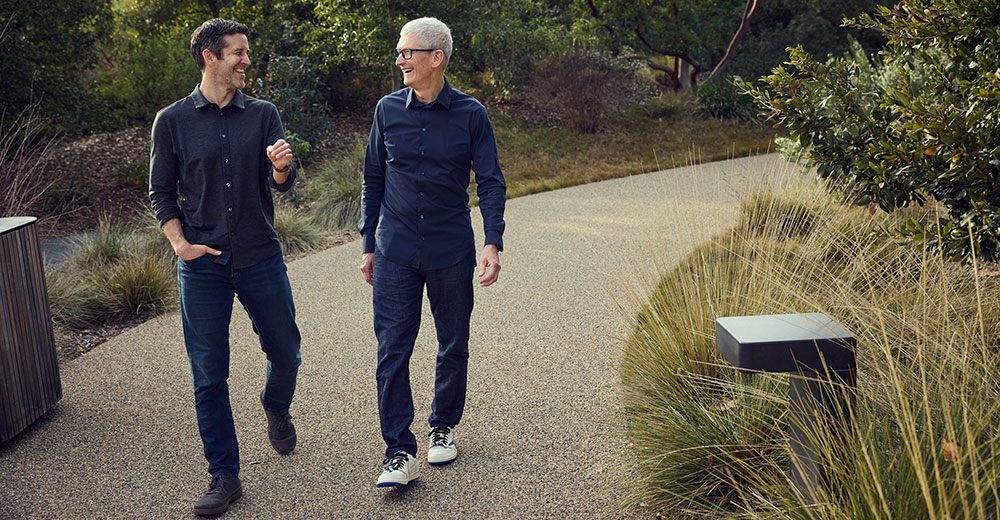
As we look toward September 2026, when John Ternus is set to step into the role of Apple’s CEO, the drumbeat of change is echoing through Cupertino. Apple's decision to appoint John Ternus as its next CEO could signal a major shake-up and a renewed focus on the bold product design that once defined the company. This marks a pivotal juncture for the company, and honestly, an important one.
The slow decline of Apple’s design dominance did not happen overnight; it was a gradual bleeding of talent and influence that started shortly after Steve Jobs passed away. Jobs and Jony Ive operated in a symbiotic relationship, with design as the undisputed king of the boardroom. Engineering and operations had to figure out how to make Ive’s visions a reality, not the other way around.
When Ive departed Apple in 2019 to form his independent firm, LoveFrom, it left a vacuum. But the bigger problem was how Apple managed that transition.
The company effectively replaced one of the most influential industrial designers in history with its top supply chain executive, Jeff Williams. The studio that birthed the iPhone lost its seat at the executive table, eventually devolving into a service bureau where other teams put in requests for color palettes and minor tweaks.
Evans Hankey, who briefly led the team post-Ive, also left in 2022, triggering an exodus of veteran designers who had defined the Ive era.
I have seen this corporate lifecycle play out firsthand. Having started my career as a financial analyst, audit manager, and project manager at Rolm Systems and IBM, I witnessed what happens when a large entity shifts from being product-led to operations-led.
During my time closely observing IBM before and during the Lou Gerstner era, it became clear that in an operations-centric culture, the spreadsheets dictate the product. Tim Cook is a logistics genius, and he masterfully turned Apple into a supply-chain juggernaut that printed money. But operations execu…