
Consumer Tech Forget Data Centers In Space. How About Satellites That Think? By John Koetsier ,
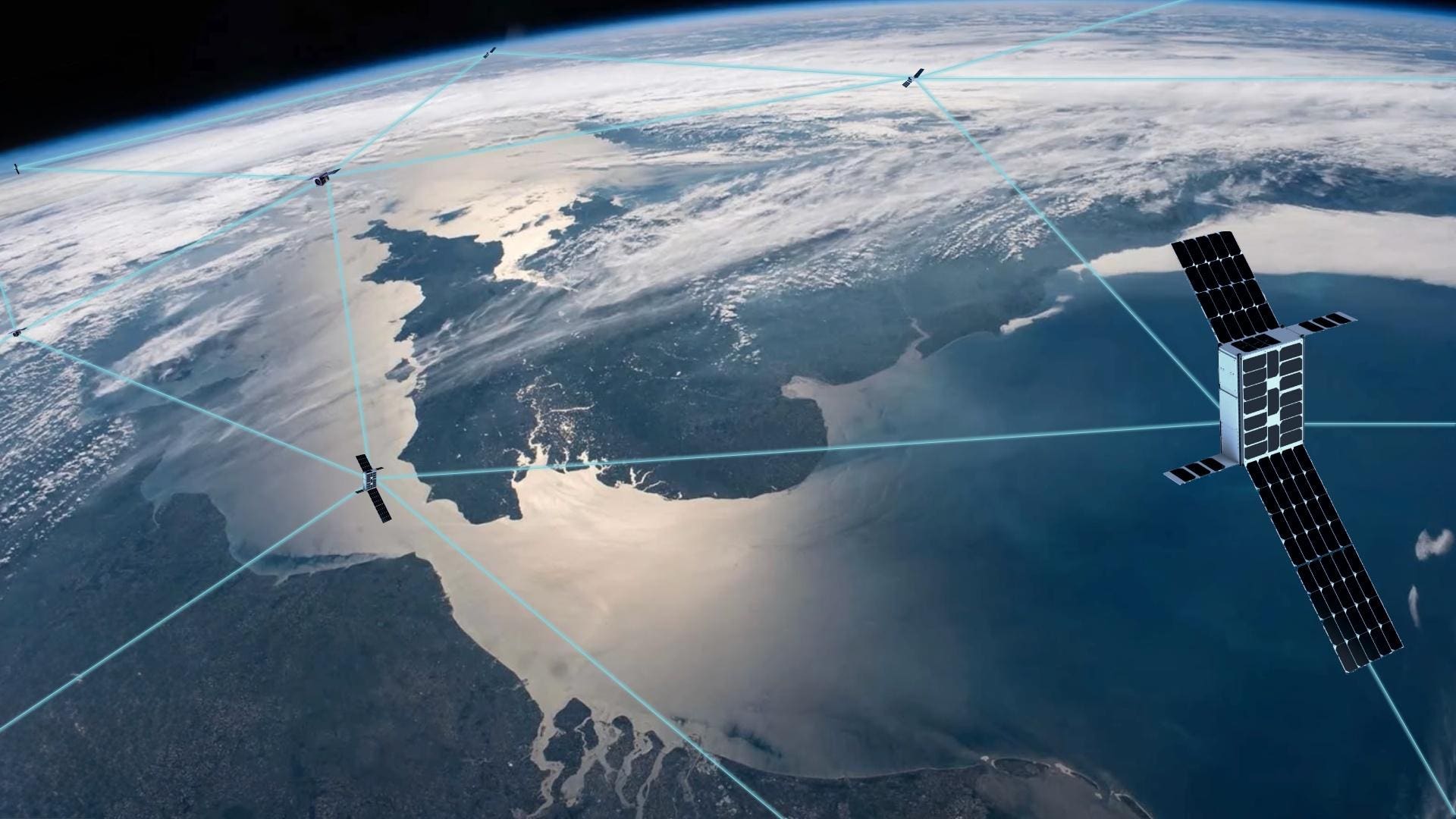
Forbes contributors publish independent expert analyses and insights. Journalist, analyst, author, podcaster. Follow Author Jun 30, 2026, 07:21pm EDT --:-- / --:-- This voice experience is generated by AI. Learn more . This voice experience is generated by AI. Learn more . Ubotica's satellite constellation will have onboard AI to detect maritime and other threats. Ubotica We’ve been hearing a lot about data centers in space, a highly questionable concept that looks to be expensive, fragile and unnecessary. But satellites that think could speed up maritime intelligence by orders of magnitude: no orbital data center required. And a company that has worked with NASA’s Jet Propulsion Laboratory and the European Space Agency to deploy 30+ 30 Earth observation models and deliver hundreds of thousands of AI inferences in orbit just raised $11 million to scale even more.
The company is Ubotica, and CEO Fintan Buckley says it “has spent years pioneering Orbital AI” and applying “that knowledge to one of the hardest security challenges on Earth: protecting vast maritime zones and critical offshore infrastructure.”
Most Earth observation satellites are basically very expensive orbiting cameras with a radio station. They photograph the planet, beam raw pixels back to the ground, and wait for an analyst to make sense of them hours or days later.
Ubotica, an Irish space technology company, argues that this model is backwards.
The company’s $11 million funding round, led by Act Venture Capital and Greencode Ventures, will fund commercial rollout of Ubotica's Live Maritime Intelligence platform, the first large-scale application of what the company calls Orbital AI: running artificial intelligence directly on board satellites so they can analyze what they see in orbit and send down the insight, not the imagery.
The timing is good: we’re hearing more about piracy, about international telecoms lines being intentionally severed and other forms of offshore vandalism. Nations are under growing pressure to protect critical maritime infrastructure like undersea communications cables, energy assets, pipelines and strategic shipping lanes.
But at the same time that’s getting harder to track. Shadow fleets and dark vessels have turned the ocean into a security problem bigger than any one country can surveil by itself.
Ubotica’s pitch is that smart satellites should help.
Armed with AI foundation models trained on threats, smart satellites can continuously build a picture of where risk is rising across a maritime territory, then dynamically task themselves and other sensors to investigate … as opposed to waiting on fixed collection schedules and ground-based post-processing. In at least one case, when investigating incidents around Singapore, the company says it delivered actionable insight to operators in roughly twenty minutes while the underlying images that drove the insights showed up days later. In another case, Ubotica says its satellite constellation delivered world firsts such as being the first spacecraft to autonomously identify a target and reorient itself to capture it.
John Koetsier: How much faster is LMI than traditional satellite-based maritime monitoring?
Fintan Buckley: Today the model is: capture the image, downlink the raw data, then put an analyst on it. That is hours, often days. We flipped it. We process onboard, in orbit, an…