
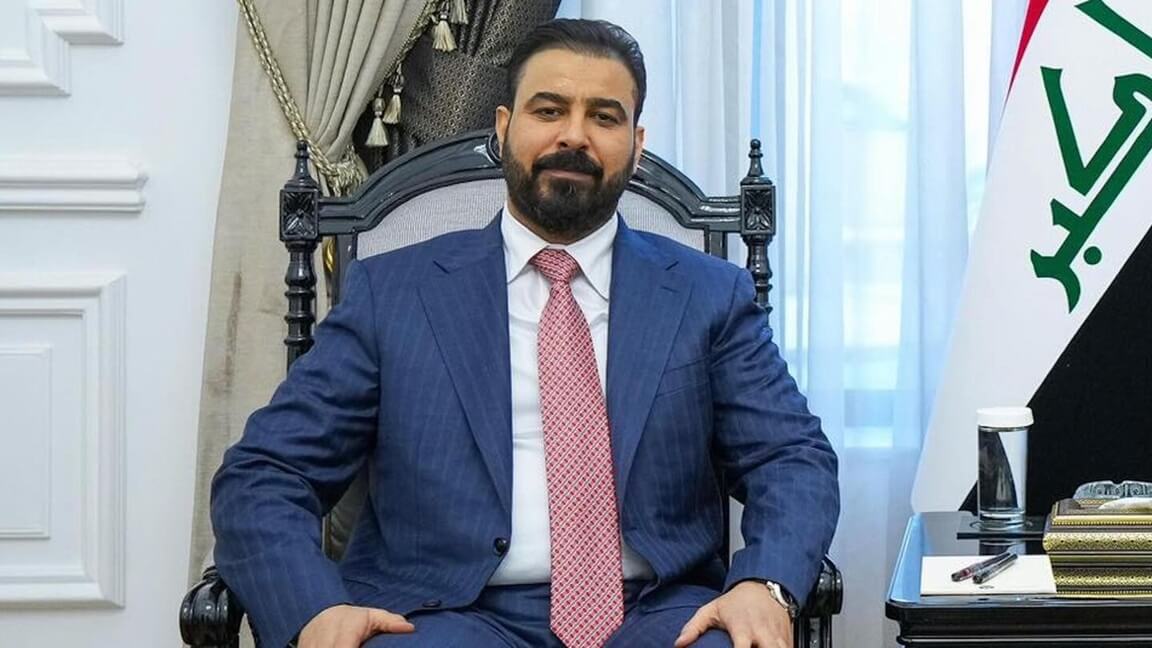
Iraqi Prime Minister Ali al-Zaidi. Photo: PMO
Baghdad (IraqiNews.com) – Following the sweeping pre-dawn raids that led to the arrest of dozens of corrupt parliamentarians and high-ranking political figures across Baghdad, Prime Minister Ali Falih al-Zaidi has rapidly shifted his focus toward his administration’s next major challenge, the systematic disarmament and integration of Iraq’s autonomous armed factions.
The bold judicial operations within the Green Zone demonstrated that the government possesses the political will to strip away legislative immunity, and insiders confirm that this internal cleanup was the necessary domestic prerequisite to establish the absolute authority of the state before taking on entrenched paramilitary networks.
By targeting corrupt elites first, the Prime Minister has successfully insulated his administration against accusations of selective enforcement, signaling to both domestic actors and international observers that the era of parallel power centers in Iraq is drawing to a close.
The strategic transition from targeting white-collar corruption to challenging the military autonomy of various factions aligns with the fast-approaching exit of international coalition forces. With foreign combat missions officially scheduled to conclude in late September, the Prime Minister is leveraging this sovereign milestone to demand a total monopoly on violence for official state security forces.
Government officials have confirmed that extensive, unyielding dialogues are actively taking place between the executive office and paramilitary commanders, with the state maintaining a firm and non-negotiable stance that all weaponry must be brought directly under the control of formal institutional frameworks.
Rather than pursuing an outright kinetic confrontation, the administration’s blueprint relies heavily on using financial and administrative leverage to dissolve independent command structures and absorb personnel into regular defense and policing bodies.
This domestic security overhaul is deeply intertwined with a broader financial strategy aimed at reshaping Iraq’s economic landscape through partnership with the United States.
The administration recognizes that the financial survival of rogue networks is inherently tied to systemic corruption and illicit access to state funds, which are now being aggressively choked through banking system overhauls and automated tracking modules.
By enforcing strict pre-audit mechanisms and freezing inflated contracts, the state is drydocking the economic engines that historically funded independent armed groups.
Prime Minister al-Zaidi’s dual-pronged offensive demonstrates a clear understanding that true state sovereignty cannot be achieved through military decrees alone, but requires a simultaneous cleansing of the financial channels that allowed shadow actors to bypass state authority for decades.