
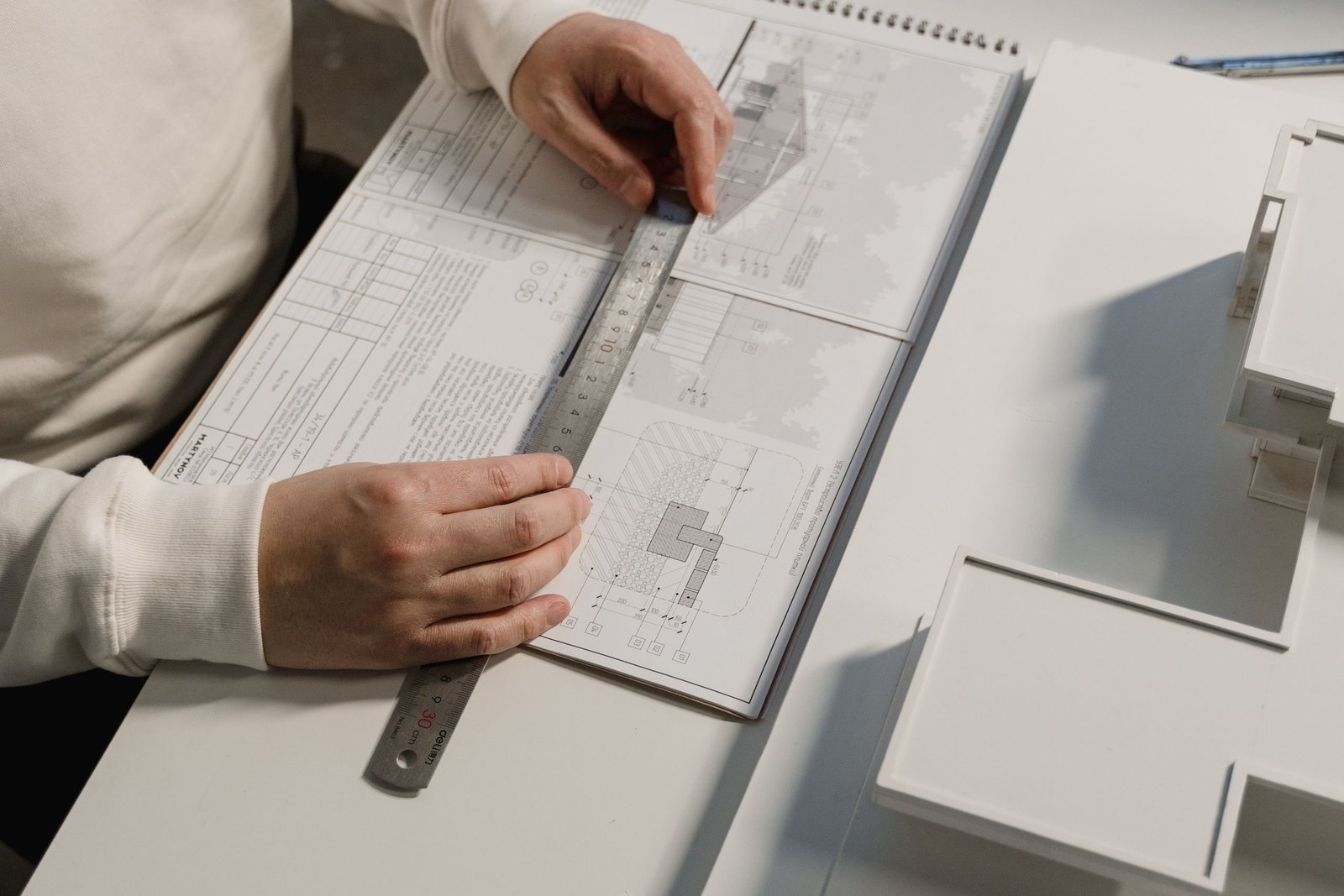
Starting an architectural project, whether it's a private villa, a commercial building, or a renovation, can often be overwhelming if you don't know what to expect. Clients often come in with a clear vision but without enough understanding of the path that separates that vision from the completed building. Knowing what happens at each stage not only alleviates anxiety, but also helps you make better decisions, ask the right questions, and avoid costly delays.
At INJ Architects, we have accompanied countless projects from the first sketch to final delivery. Here’s what you can realistically expect at each stage.
Every project begins with a conversation, not with drawings. At this stage, the architect listens more than he speaks. Expect to be asked about your lifestyle, daily routine, budget range, site location, and long-term goals for the space. A good architect does not stop at obvious questions like “How many bedrooms?”, but digs deeper, such as “How do you actually use the living room?” or “Do you host guests often?”.
This stage also includes a site visit, where the architect studies the orientation, views, soil nature, surrounding buildings, and any regulatory constraints. Expect this stage to take one to three weeks, depending on project complexity. The output here is not a drawing, but a clear list of requirements agreed upon by both parties.
This is where your ideas begin to take shape visually. The architect translates the requirements into preliminary mass studies, rough floor plans, and a general spatial concept. Expect schematic drawings, simple three-dimensional volumes, and general visual references instead of detailed final designs. The goal here is not precision, but to determine the overall direction.
The client is expected to see two or three alternative concepts at this stage, each with a different spatial logic or massing strategy. This is also the stage where major decisions are made: overall area, the relationship between inside and outside, and how the building responds to its site. Modifications are normal and expected here, as this is the cheapest and easiest stage to make changes.
After concept approval, it is developed to get closer to a real building. The floor plans become more accurate, room sizes are determined, and the design begins to reflect actual structural and mechanical logic. Expect to see more detailed plans, elevations, and perhaps an early 3D model or virtual tour.
At this stage, the architect begins to coordinate with structural considerations and MEP systems, even if those disciplines are not fully designed yet. The client is usually asked to confirm key decisions: window placements, ceiling heights, and general direction of materials. Modifications are still possible, but they begin to carry greater implications in terms of cost and time compared to the concept phase.
Here, the project transitions from “how it will look” to “how it will actually work”. Material choices become specific, structural systems are defined, and the architect coordinates with engineers and specialized consultants. Expect detailed floor plans, sections, elevations, and a much clearer picture of finishes, fixtures, and technical systems.
This stage is often the longest, as it requires resolving the interplay between architecture, construction, and building systems. The client is expected to review and approve material samples, lighting plans, and detailed architectural features. Budget estimates also become significantly more reliable at this stage.
After final design approval, the architect prepares the complete set of technical drawings required to actually execute the project: structural drawings, MEP plans, detailed sections, and specifications. These documents are dense and technical, primarily directed at contractors and engineers more than client review.
Expect limited design changes at this stage. Any alteration now means revising multiple coordinated drawings, which is costly and time-consuming. This stage concludes with a complete set of drawings used for obtaining permits and soliciting contractor bids.
With the completion of the execution documents, the project moves to the regulatory approval stage. Timelines vary here…