
Leadership Strategies The AI Problem Nobody Saw Coming: The Decline Of Curiosity And Meaning By Dr. Diane Hamilton ,
Forbes contributors publish independent expert analyses and insights. Curiosity expert improving engagement, innovation, and productivity. Follow Author Jul 01, 2026, 03:00am EDT --:-- / --:-- This voice experience is generated by AI. Learn more . This voice experience is generated by AI. Learn more . Summary The rise of AI threatens human curiosity, a vital trait for learning, innovation, and finding meaning. As AI provides instant answers, the process of exploration, crucial for adaptability and problem-solving, could diminish. Historically, curiosity has been a competitive advantage, driving individuals and organizations to question assumptions and seek better approaches. In the AI era, curiosity becomes even more critical for crafting effective prompts and challenging AI-generated responses, leading to superior outcomes. Beyond business, curiosity fuels personal growth, relationships, and a sense of purpose. Leaders must cultivate cultures that reward questioning and psychological safety to prevent over-reliance on AI from eroding this fundamental human attribute, ensuring we don't lose what makes us human.
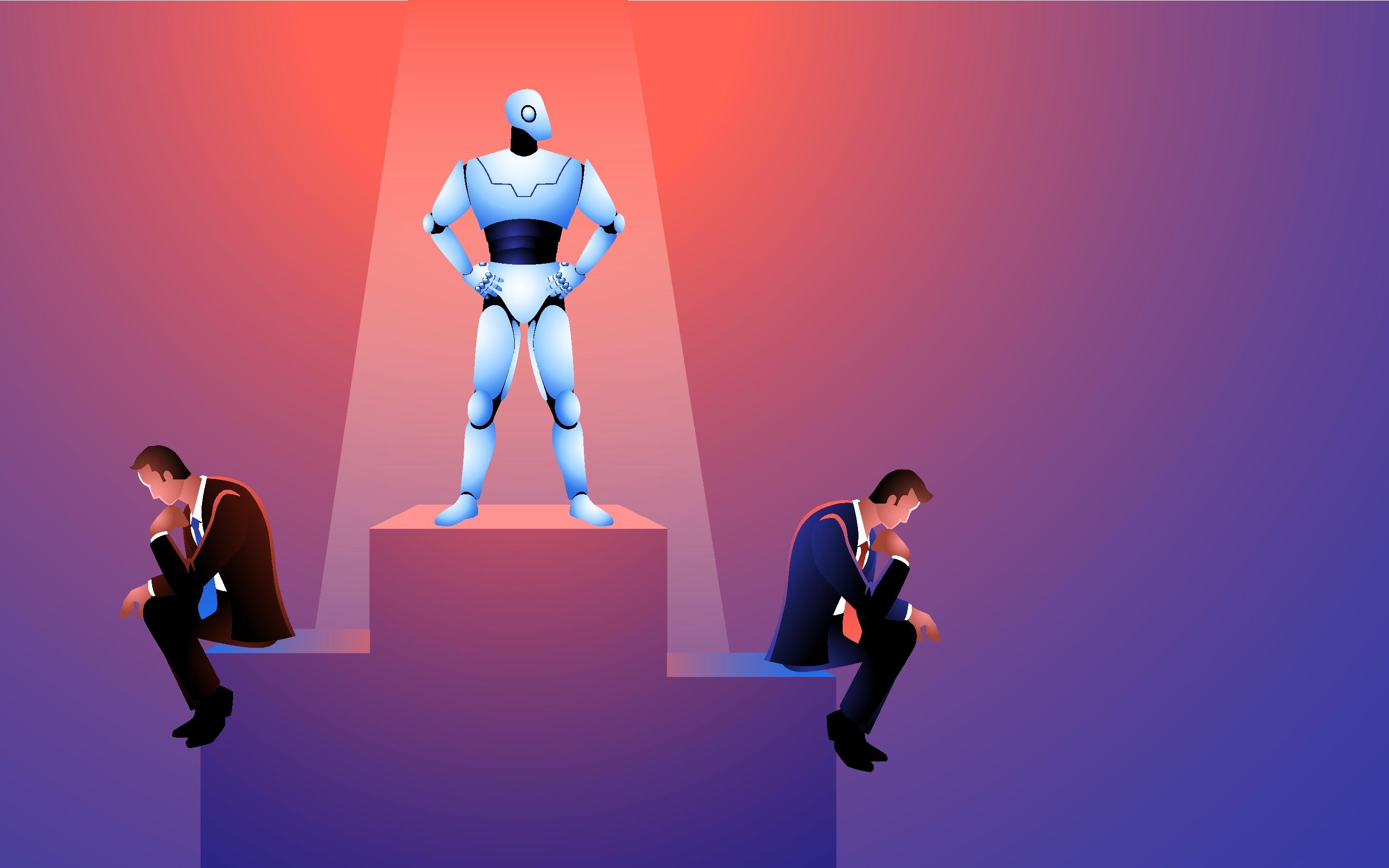
The AI Problem Nobody Saw Coming: The Decline Of Curiosity And Meaning getty I recently listened to one of my favorite podcasts, The Diary Of A CEO, where Steven Bartlett interviewed Mo Gawdat, the former Chief Business Officer at Google X, about the future of AI. I had Mo on my show years ago and have always found his perspective fascinating. About 50 minutes into the conversation, he said, "Human connection will remain as the base currency that makes humans interact." It caught my attention because it aligns so closely with the research I've been doing about how humans will find meaning and purpose in an age of intelligent machines . As AI becomes increasingly capable of giving us answers, curiosity may become an unintended casualty. Curiosity fuels learning, innovation, and adaptability, but it also helps people explore possibilities, build relationships, and discover a sense of meaning. If AI begins replacing the process of exploration with instant answers, we may lose more than a competitive advantage. We may lose part of what gives us our desire to do more than sit home and flip channels.
Why Curiosity Has Always Been A Competitive Advantage getty Why Curiosity Has Always Been A Competitive Advantage Long before AI entered the workplace, curiosity was one of the qualities that separated successful individuals and organizations from those that struggled to adapt. Curious people seek new information, challenge assumptions, and look beyond obvious solutions. They ask why things work the way they do and whether there might be a better approach. Those behaviors often lead to innovation, better decision-making, and stronger problem solving.
Organizations frequently say they want employees who are agile and adaptable. What they are often describing is curiosity. It is difficult to adapt to change, innovate without questioning the status quo , and solve complex problems without exploring multiple possibilities. Curiosity is often the starting point for all three.
Curiosity has also been linked to greater engagement and a stronger willingness to learn. In a business environment where skills become outdated faster than ever, people who remain curious are often the ones who continue growing. They are more…