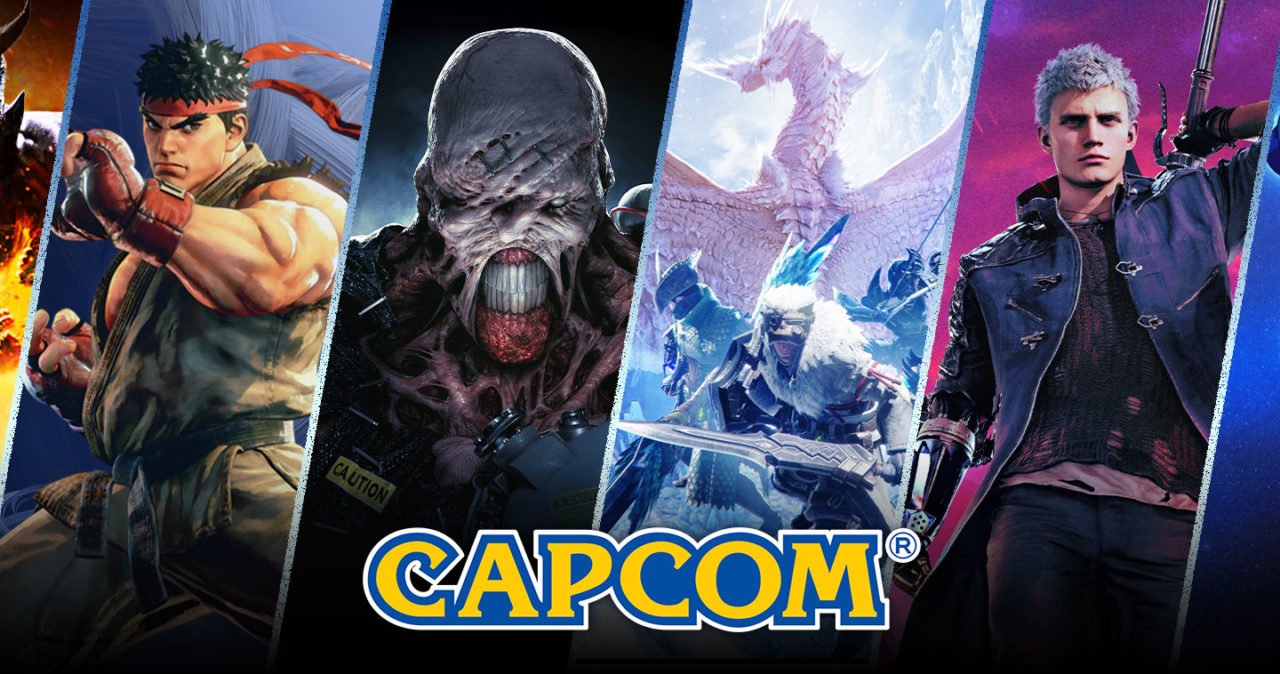
Less than a decade ago, it was easy to believe that Capcom's best days were behind it; the company that developed some of the most influential game franchises in history seemed to be gradually losing its way. Profits were declining, player confidence was shaking, and its famous brands no longer generated the same excitement they had for years. At the time when Nintendo was regaining its glory, FromSoftware was becoming one of the industry's leading stars, and PlayStation was building its empire of exclusive games, Capcom seemed to be content living off its legacy, unable to create a future that matched its past. While it wasn't on the verge of bankruptcy as sometimes rumored, all indicators suggested that the company was at a crossroads that could shape its destiny for an entire decade. And just a few years later, the scene turned upside down, making Capcom one of the most stable, profitable, and respected gaming companies in the industry—a transformation that wasn't coincidental but rather the result of a series of bold decisions that completely redefined the company's identity. But what makes Capcom's story worth studying is not that it regained its success, but the way it did so. At a time when most gaming companies believed that the only path to growth was to chase every new trend, whether it was live-service games, open-worlds, or aggressive monetization models, Capcom chose a completely different path; it didn't try to become another company, but instead, it decided to return to being Capcom while updating its philosophy to match the modern industry. This return to identity was the most important decision in the company's recent history, and perhaps the real reason behind the boom it is experiencing today. From chasing the West to reclaiming identity, to understand the magnitude of the transformation, one must return to the era of PlayStation 3 and Xbox 360, a period that can be considered the worst in Capcom's recent history. At the time, management was convinced that global success came from pleasing the Western market at any cost, even if it meant sacrificing the Japanese character that built the company's name. This way of thinking wasn't exclusive to Capcom; many Japanese companies fell into the same trap, but Capcom was one of the most aggressive in applying it. This was evident in Resident Evil 6, a game that tried to be everything at once; a horror game, action, shooter, interactive cinema, and cooperative. Despite selling millions of copies, it revealed a deeper issue than just a disagreement about gameplay; the franchise lost its identity. Players no longer felt they were experiencing survival horror but rather a massive action game competing with Hollywood movies. Worse still, Capcom misinterpreted its initial sales success as proof of the correctness of its direction, ignoring that a large part of those sales came from the strength of the Resident Evil name, not the quality of the game itself. The issue wasn't limited to Resident Evil. The company assigned the development of several projects to Western studios, hoping to produce games that catered more to American tastes than to Japanese ones. DmC: Devil May Cry was mechanically a good game, but it paid the price for trying to reshape Dante's character in a way rejected by the series' fans. Lost Planet 3, Bionic Commando, and others faced the same fate; projects that weren't necessarily bad, but lacked the spirit that had connected players to Capcom's brands for decades. The problem wasn't with collaborating with Western developers; the industry today is borderless, but with the belief that success in Western games meant abandoning the identity of Japanese games. Capcom was chasing market trends instead of making its own, and the result was that the company lost part of its old audience without gaining the new audience in the way it had hoped. The turning point came when management indirectly acknowledged that this strategy was unsuccessful. Instead of continuing to try to please everyone, the company began to reevaluate its franchises from scratch, and the question it posed was simple yet crucial: why did players love Capcom games in the first place? The answer was not the graphics or the massive budgets but rather the tight design, thoughtful pacing, deep systems, and the clear character of each franchise. And from here began the transformation…
Gaming & Live Streaming
How did Capcom reclaim its throne after a long period of turmoil?
A look at the story of a company that nearly lost its identity but turned into one of the most successful publishers in the industry. Less than a decade ago, it was easy to assume that Capcom's best days were behind it...
AAdmin
July 4, 2026
4 min read