
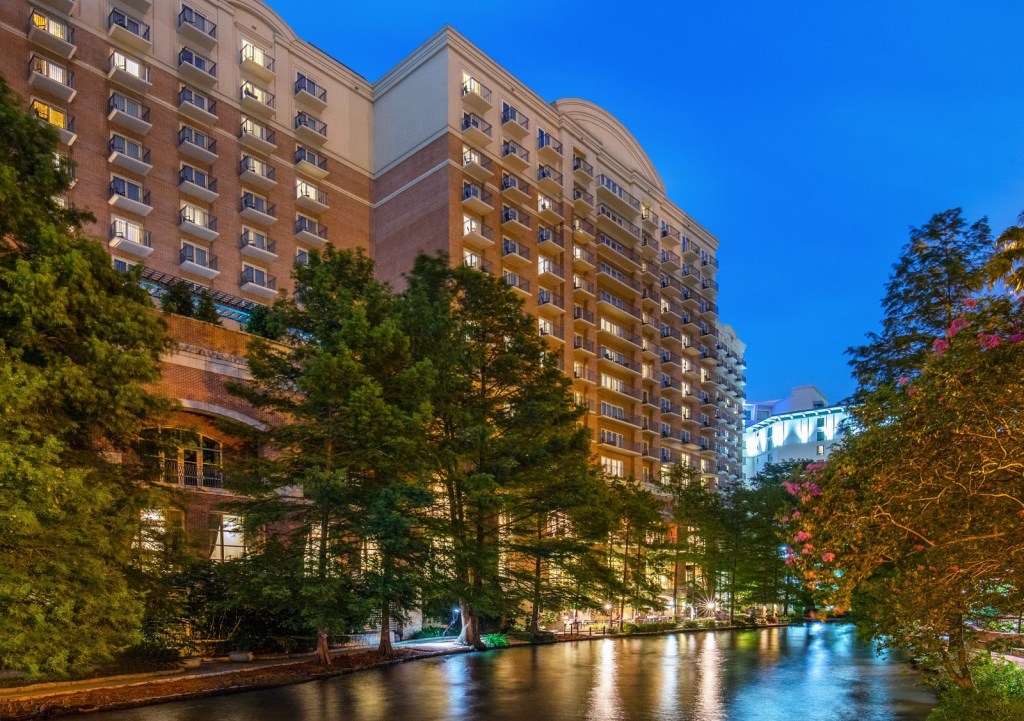
Photo Credit: Chaitan Mugili, general manager of the Westin Riverwalk in San Antonio, said he's seen an uptick in international visitors during the World Cup. The Westin Riverwalk
Turns out the World Cup’s tourism impact extends beyond the 16 host cities, with outside markets seeing some of the steepest spikes in demand.
LinkedIn X Facebook Email Which non-host destinations saw the strongest ROI from their World Cup marketing campaigns? Why are host cities underperforming non-host markets on hotel occupancy? How can destinations convert one-time World Cup visitors into repeat travelers? Select a question above or ask something else
After years of anticipation, host cities across the U.S., Mexico, and Canada are finally reaping the benefits of the 2026 World Cup. Local businesses have reported a surge in international visitors, and hotels are benefiting from gains in revenue per available room.
But non-host cities are also seeing a lift.
RevPAR has grown at least 6% year-over-year each week for non-host markets in the United States since the start of the tournament, according to CoStar. When looking at the top 25 hotel markets, non-host cities are “not far behind” hosts in terms of RevPAR increases.
Businesses in non-host cities are also reporting an uptick in high-spending international crowds. And while host markets have struggled to boost occupancy rates, CoStar reports that hotel demand in non-host markets was up 1.7% year-over-year in late June.
Part of the difference is due to the decline in group business in host markets, as organizers purp
Wanderlust follows the latest stories in tourism and experiences from across the globe.
By submitting this form, you agree to receive email communication from Skift.
See more essential travel news in your search results.
LinkedIn X Facebook Email First read is on us . Subscribe today to keep up with the latest travel industry news.
Subscribe now for complete access to Skift.com’s trusted coverage of the travel industry.