
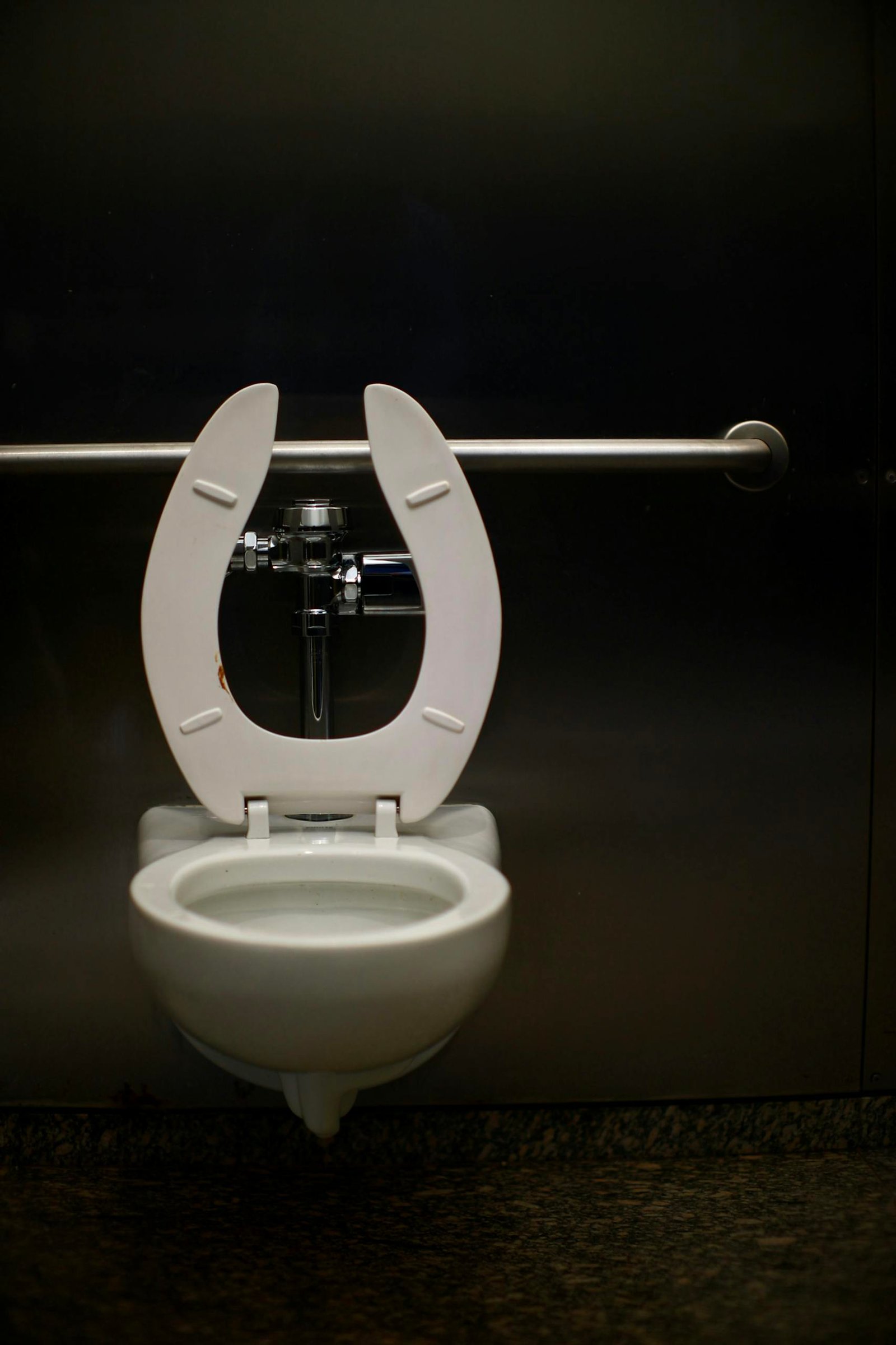
The flush toilet is a sanitation system that relies on water, using the force of water flowing from the cistern through a pipe in the shape of an S to push waste away while preventing sewer gases from returning into the home. The re-emergence of this system has reshaped the way cities are built, how water is consumed, and public health management. But behind this simple daily element lies a longer story: the slow transition of civilizations from dry sanitation to water-based systems, and the growing question of whether this transition is still sustainable today.
Throughout history, access to water has been one of the critical factors in the rise of civilizations. Before modern plumbing, waste disposal relied almost entirely on dry means — such as pits, chamber pots, and communal waste collection. Water was a rare and precious resource, reserved for drinking and agriculture, not for flushing waste. The very idea of using clean water to wash away human waste would have seemed an extravagant luxury to most societies across most stages of history.
The transition from dry sanitation to water-based sanitation was neither quick nor inevitable. It depended on the availability of water, engineering advancements, and a growing awareness of the link between sanitation and disease. Understanding how the flush toilet came to be — and the impact it had on water consumption and urban planning — helps to explain many of the infrastructure challenges that cities face today.
The earliest known sewage systems emerged in Mesopotamia around 4000 BC, in cities like Uruk and Babylon, where some homes were equipped with clay pipes leading to drainage channels — though they did not effectively use water for flushing. By around 2500 BC, the Indus Valley Civilization had advanced further; archaeological evidence in Mohenjo-Daro shows primitive toilets connected to drainage systems, but without effective water flushing. The Romans, from about 500 BC to 400 AD, constructed public toilets where water flowed to carry away waste, but these were communal facilities, not private ones. Later, during the Islamic Golden Age, cities like Baghdad and Cordoba developed advanced infrastructures for water management, yet the toilet as we know it today had not yet appeared.
The modern flush toilet would not emerge until much later, when water availability and engineering advances caught up with the idea. In 1596, English writer John Harington invented the first water-flushing toilet, using water stored in a cistern to push waste into a pit — but the design was too complex and water-intensive to gain widespread acceptance. Almost two centuries later, in 1775, Scottish inventor Alexander Cummings patented an S-shaped siphon that prevented sewer gases from returning to the home. That marked the real beginning of the modern toilet, though it remained a luxury for decades.
The turning point came in the mid-nineteenth century. The Great Stink of London in 1858, when sewage accumulated in the Thames River to the point that the city became nearly uninhabitable, forced authorities to invest in a modern sewer network. By 1860, water-flushing toilets had become common in Europe and North America — and with them emerged a tremendous new demand for water.
The spread of the flush toilet changed cities in ways that went far beyond the bathroom. Buried pipes replaced open channels, as waste was transported underground through closed drainage systems. Cities had to expand their reservoirs and treatment plants to keep up with increasing consumption. Because plumbing became increasingly reliable in multi-story buildings, the existence of drainage networks quietly facilitated the possibility of high-rise apartments — quietly paving the way for the vertical growth of the modern city.
But this progress came at a cost measured in water. Before 1980, the standard toilet consumed between thirteen and twenty liters per flush. Efficient models in the 1990s reduced that number to about six liters, and today, high-efficiency toilets in the U.S. and the EU use only three liters. Still, those numbers add up quickly; a person uses the toilet about five times a day.