
A freelance games journalist based in the Philippines, Cedric has written on all aspects of the esports industry, from the business side to the craziness happening in the FGC scene. He has written guides, op-eds, and essays for Dot Esports, IGN, and Gaming News.
Olivia Richman is a seasoned esports journalist who has worked with Inven Global, Esports Illustrated, Esports.gg, and more. As an editor and writer at Esports Insider, she loves telling unique esports stories, especially within the FGC. When not working and gaming, Olivia loves collecting Kirby plush, eating sushi, and driving her cars at the track.
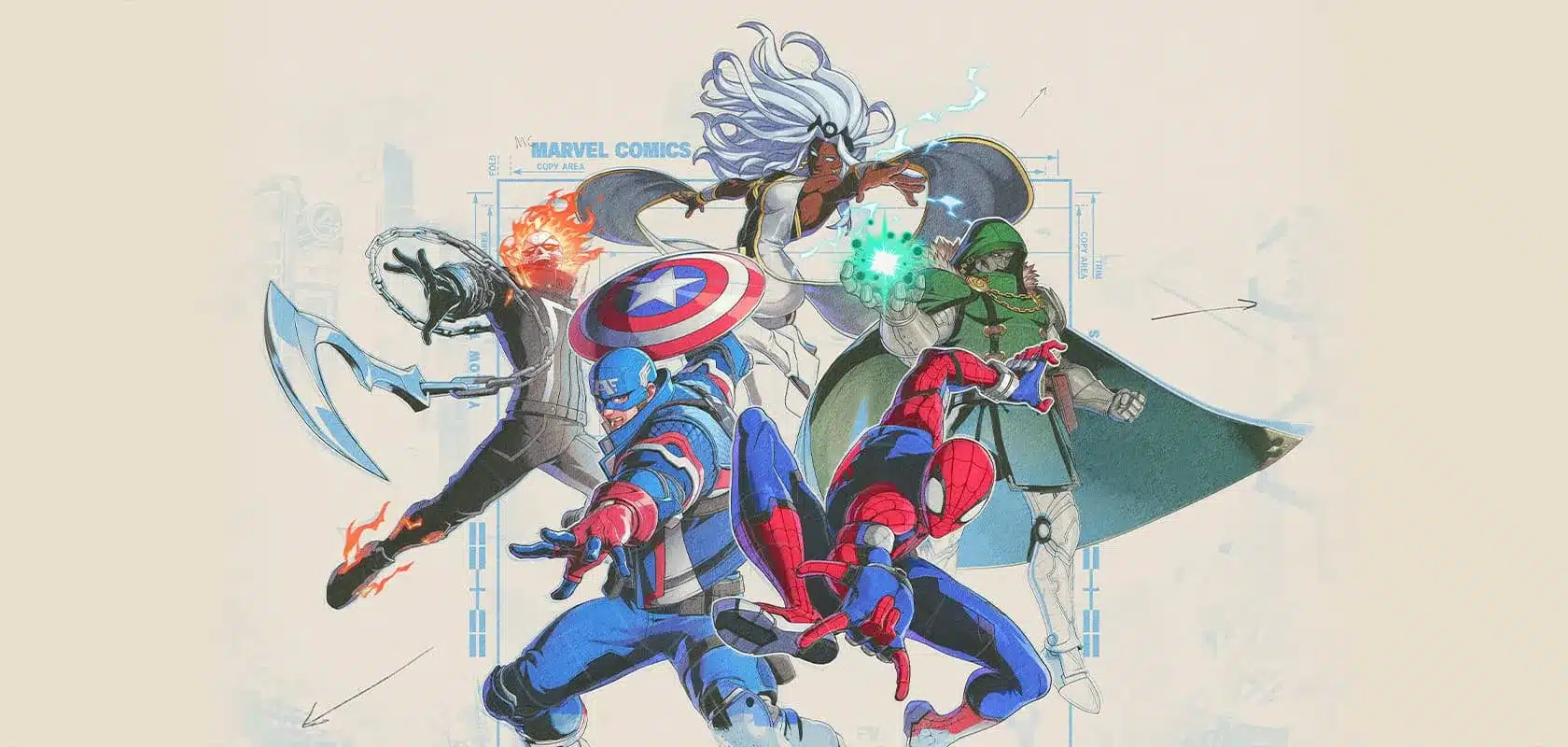
Sony is on a generational speed run of bad PR in recent days after announcing its intent to completely discontinue disc production for its consoles. However, I believe that the biggest issue they have right now involves Marvel Tōkon: Fighting Souls and its region lock in over 130 countries, according to SteamDB .
It’s such a huge issue that it has united the fighting game community (FGC), a community known for infighting and debates over what the best fighting game really is. So, what exactly is happening here?
In my opinion, it’s most likely that developers Arc System Works have nothing to do with Marvel Tōkon: Fighting Souls’ region lock. The developers have been around the FGC since the late 90’s and have produced amazing fighting games such as Guilty Gear, BlazBlue, and Dragon Ball FighterZ. The last one is particularly important, as it falls into the same category as Marvel Tōkon: Fighting Souls, a developer using an existing IP to make a fighting game out of it.
So, what exactly is the “Helldivers 2 lesson?” This refers to the time when Sony was forced to remove all region locks on their PC games after player backlash. It started when Sony announced in 2024 that the game would require players to have a PlayStation Account to log in.
Hearing this, Helldivers 2 players began review-bombing the game , forcing the company to eventually lift the restrictions not just for Helldivers 2 but also for other Sony studio games available on PC a little over a year later. It’s also worth noting that during the controversy, Arrowhead Studios, the developers of Helldivers 2, apologized even though the decision to region-lock the game is entirely Sony’s decision.
Now, Sony is attempting another Helldivers 2 situation with Marvel Tōkon: Fighting Souls. As the former owners of Evo, I can’t fathom what’s going on in their heads when they set up the game to be like this. The company should know that fighting games are a universal language . Even if players don’t speak the same spoken language, everyone understands the frustration of jumping in and getting hit by Guile’s flash kick five times in a row.
With that said, the FGC is fighting back, but I have my own concerns.
The Helldivers 2 situation worked out because of the sheer number of people who fought back against the corporation. Funnily enough, Helldivers 2 is all about spreading democracy, and a company region-locking a game is not democratic at all. But I digress; the problem I’m talking about is numbers .
Let’s face it: it’s true that fighting game player numbers can’t compare to first- or third-person shooter numbers. Helldivers 2, at its most popular, had almost half a million players on Steam alone. Street Fighter 6 , the most popular fighting game at this time, only had around 76,000 players at its most popular phase, according to SteamDB . That’s only a fraction of the peop…