
Every product on this page was chosen by a Harper's BAZAAR editor. We may earn commission on some of the items you choose to buy.
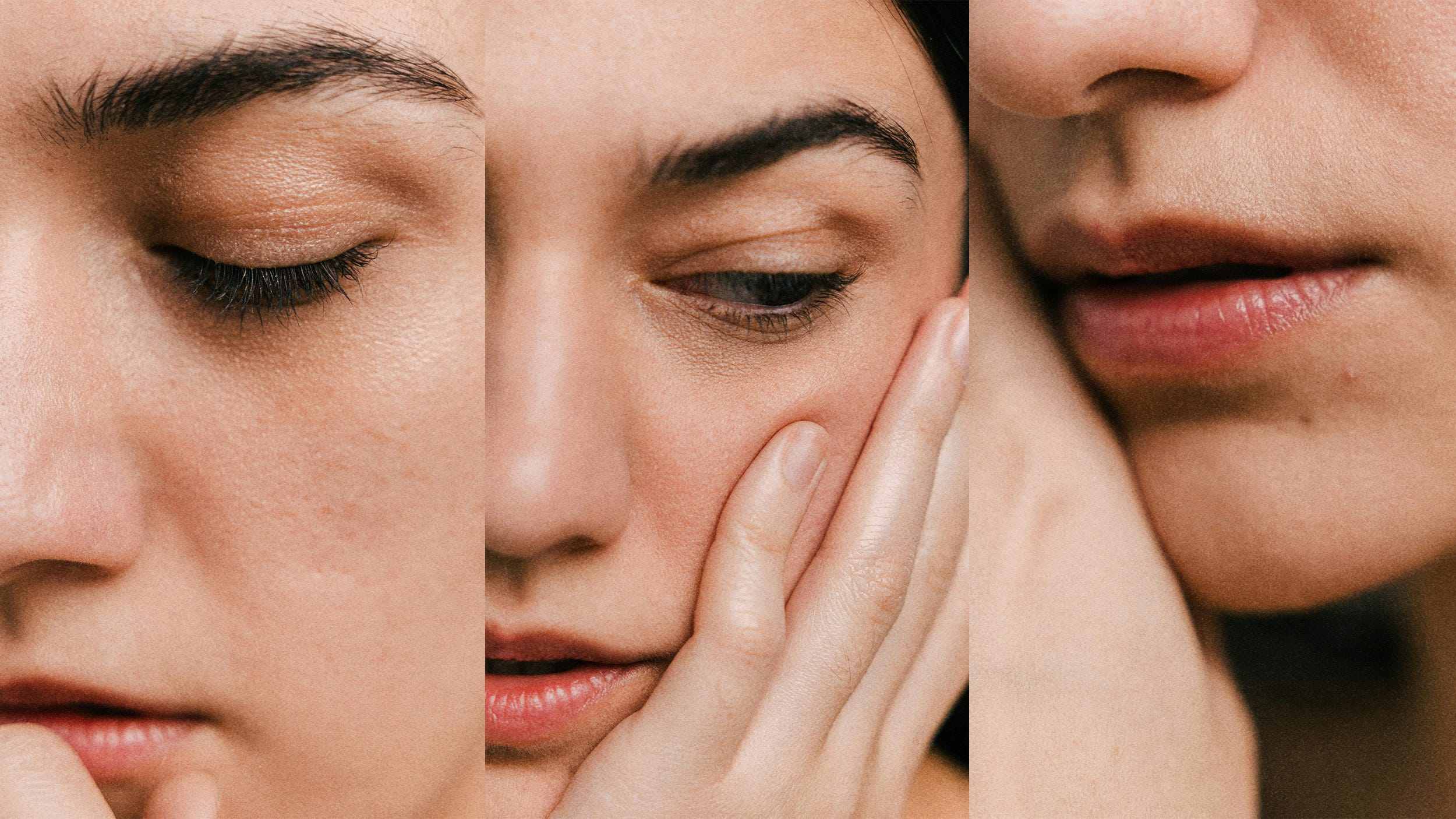
COLLAGE BY SARAH OLIVERI Beauty Skincare What Stress Really Does to Your Skin What Stress Really Does to Your Skin Breakouts, puffiness, and dullness—stress skin is real, but experts say there are easy ways to calm things down
We’ve all been there: a marathon day at work, a sleepless night, and a very Mercury-in-retrograde week. And just when you feel as though you’re at your breaking point, a zit pops up, like clockwork. Stress is unavoidable, and while it can manifest in many ways, our skin is, unfortunately, one of the first areas to show signs.
“Since I practice in New York City, I joke that the baseline of a client’s status is stressed,” says Elizabeth Grace Hand , celebrity esthetician and founder of Ställe Studios . “I rarely see someone whose skin isn’t being affected by their nervous system in some way.”
From increased puffiness to dry, dehydrated skin, and even breakouts in unusual areas (think your jawline or chin), stress can show up on the face and skin in several ways. While it’s more difficult to reduce stress, there are several ways to manage its effects on skin. Ahead, your SOS guide to stress-induced skin flare-ups.
Stress is directly linked to increased cortisol , which you likely have heard of, as it perfectly captures the zeitgeist of wellness right now. Cortisol is more than just a buzzword—it’s referred to as the stress hormone. “When we’re stressed, cortisol increases oil production, which can contribute to clogged pores and breakouts,” Hand explains. “At the same time, stress weakens the skin barrier, making skin more prone to dehydration, redness, irritation, and inflammation.” It’s what TikTokers often refer to as “ cortisol face .”
Sofie Pavitt , a New York–based esthetician specializing in breakouts and the founder of Sofie Pavitt Face , says that the moment cortisol levels increase, your skin reacts. “Once it spikes, sebaceous glands produce more oil, which clogs pores and leads to breakouts, especially along the jaw and chin,” she explains.
Aside from a pesky breakout, stress can wreak havoc on the shape of our faces, our skin tone, and our texture (just to name a few effects). With the onset of stress, the skin barrier becomes more susceptible to a whole host of issues, from dryness to increased sensitivity. “With a weakened skin barrier, you lose moisture faster, and skin gets more reactive and more easily irritated,” Hand explains. This also means that skin conditions like psoriasis, eczema, or rosacea may flare up.
One of the biggest effects of stress, as Hand sees it, is the lack of skin recovery during these periods. “Skin simply doesn’t recover as efficiently with stress,” she says. “Skin becomes less resilient, glow fades more quickly, skin becomes rougher, inflammation lingers longer, and the skin doesn’t bounce back the way it does when someone is well-rested and their nervous system is supported.”
Aside from topical effects, your face shape may even change (not permanently, so no need to panic). You may notice increased puffiness on stressful days, especially around the eyes and jawline. “Jaw clenching and teeth grinding from tension can enlarge the masseter muscle, creating a squarer jawline, and furrowed brows from constant tension can leave lasting static wrinkling,” says Pavitt. While stress won’t change the structure of your face or bone structure, Hand...