
Lea is an esports journalist with too many interests and too little time. Covering esports stories for more than 3 years, she likes to spend her days (and nights) watching and analysing competitive VALORANT. Lea is also deeply invested in DEI issues and promoting mental health awareness within her industry.
Olivia Richman is a seasoned esports journalist who has worked with Inven Global, Esports Illustrated, Esports.gg, and more. As an editor and writer at Esports Insider, she loves telling unique esports stories, especially within the FGC. When not working and gaming, Olivia loves collecting Kirby plush, eating sushi, and driving her cars at the track.
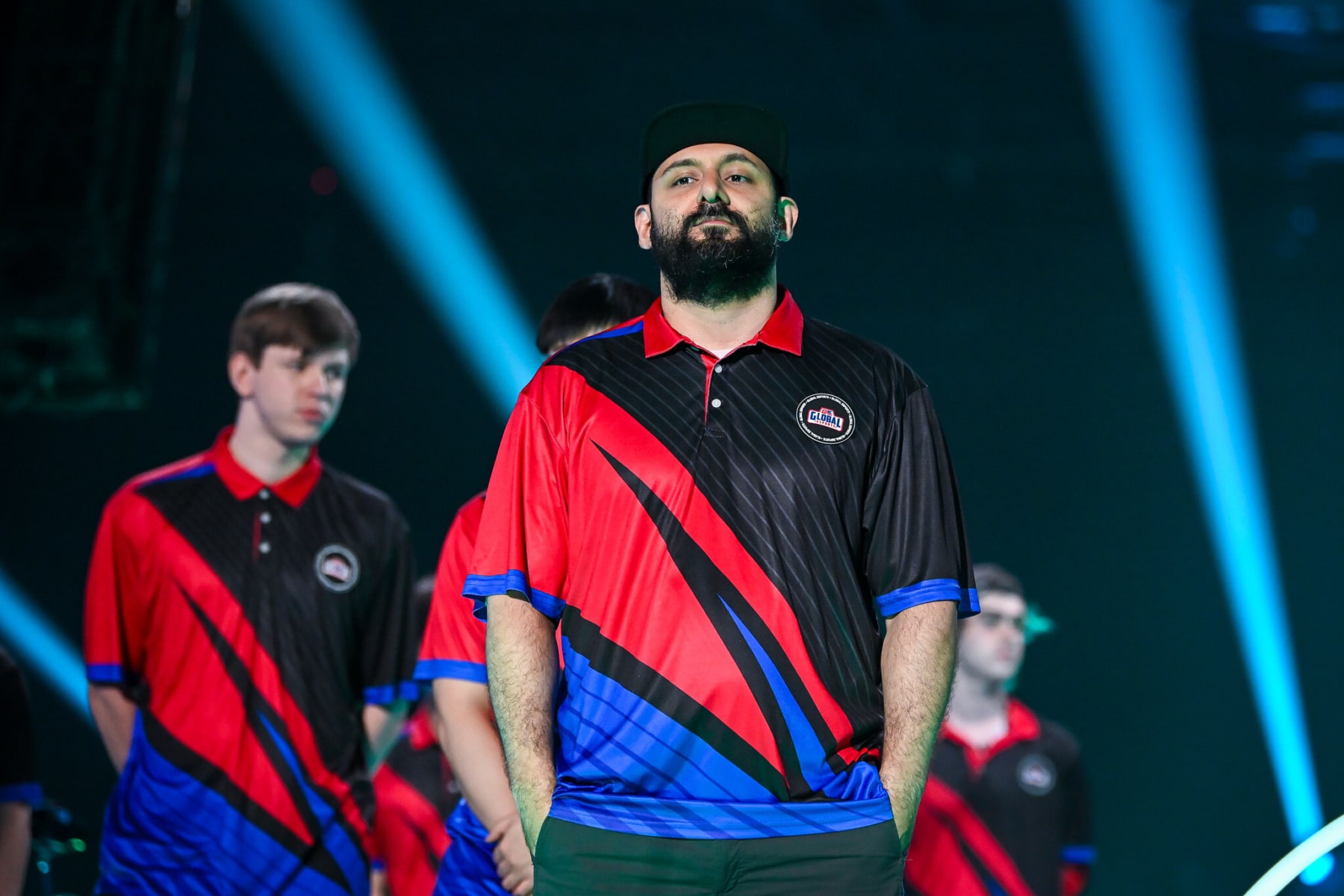
Image Credit: Riot Games Ever since the conclusion of Masters London at the end of June, seemingly no topic has been more prominent in the VALORANT esports scene than the unexpected kicking of Head Coach Hector “FrosT” Rosario from Global Esports.
What started as a leak on June 24th sparked a wave of rumors, speculation, and finger-pointing among fans as well as esports professionals.
While more information has been unveiled since, one comment made by VALORANT coach Maark has continued to stand out to me: “This is the type of information that shouldn’t really be aired out to the public. If GE doesn’t make Playoffs next split, this will follow their entire esports career.”
Should leakers have revealed to the public what allegedly happened behind the scenes at Global Esports? Who benefits or potentially suffers from this kind of esports drama? After digging through posts, comments, and podcasts, I believe we can draw multiple lessons from the many layers of this story.
Within just a few years, esports has seen a drastic shift in how industry news is consumed. Mainly, instead of seeking out “traditional” media outlets, esports fans prefer to stay up to date on their favorite titles or teams via social media feeds or video content.
This has turned esports media coverage into a race between prominent social media accounts, accelerating the success of leak accounts. Whoever shares the news first will reap the most audience engagement. Where speed is not a strength, content exclusivity plays a more important role. For instance, esports podcasts or legacy media might attempt to differentiate their news coverage from quicker sources by featuring exclusive insights or interviews.
Consequently, esports news coverage has become abundant, albeit often buried in one’s social media feed and fragmented across countless accounts, content creators, and videos. The case of FrosT and Global Esports is a prime example of this excessive abundance of information and how it can, in reality, overcomplicate news coverage and make key details less accessible.
Image Credit: SpikeTalk To give you a rundown of the major puzzle pieces involved in this incident, the first wave of assumptions stemmed from the initial leak that FrosT was kicked from Global Esports. The “breaking rumor” was then immediately discussed on one of VALORANT’s biggest talk shows, Plat Chat, with members speculating that the recently leaked acquisition of Global Esports by Revenant XSpark might have played a role in FrosT’s departure.
In the following days, the initial leaker, ari, shared additional details , claiming that Global Esports player Patrick “PatMen” Mendoza and the team’s analyst, Daniel “Platoon” Zhou, wanted Frost gone.
Meanwhile, media outlet VALO2ASIA released a podcast episode on J…