
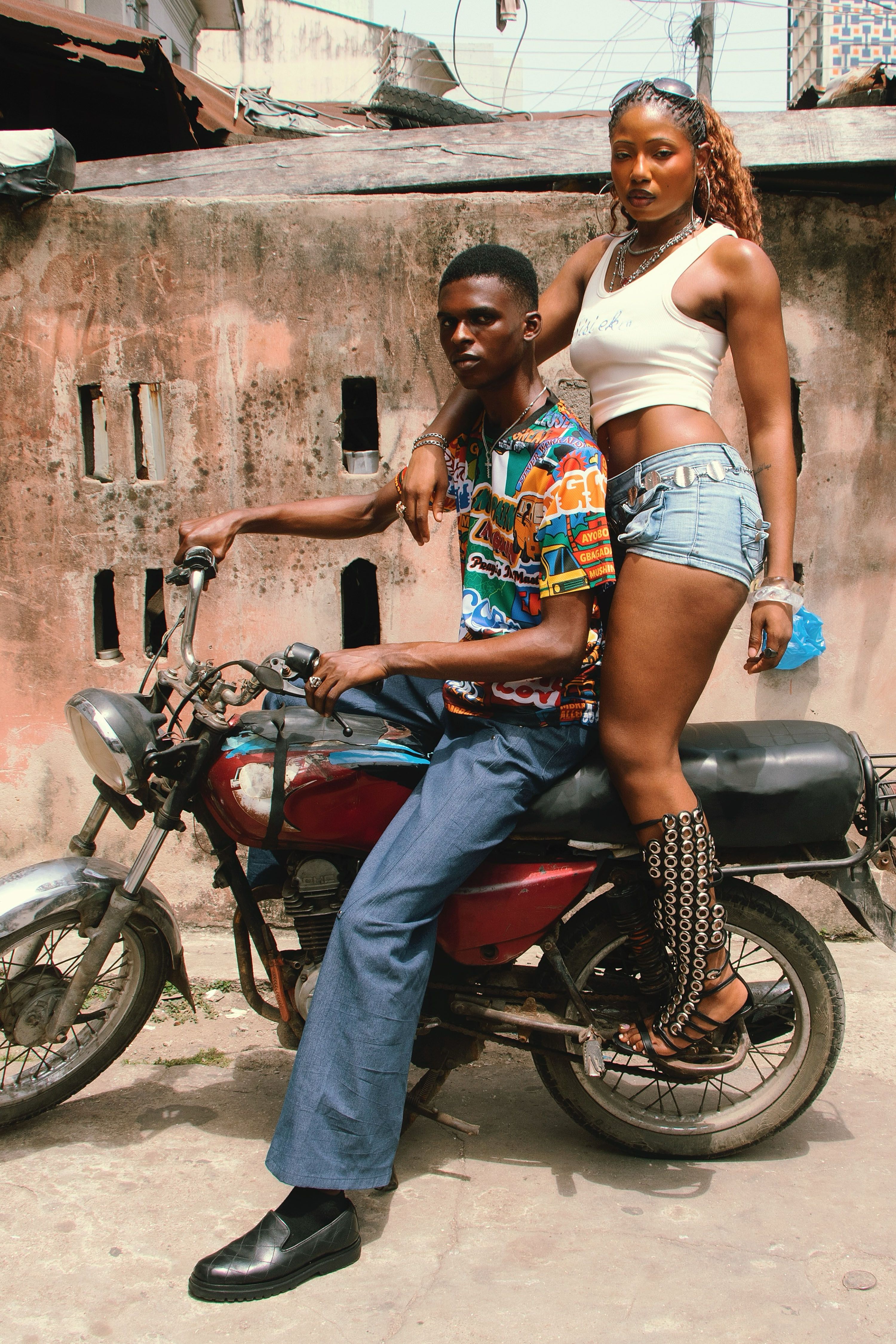
Severe Nature’s ‘Omo Eko’ capsule collection launched in April. Photo: Courtesy of Severe Nature Save Story Save this story Save Story Save this story As appetite for African fashion grows, demand is rising both on and off the continent, and brands are eager to sell their collections to consumers internationally. But as many prepare for expansion abroad, designers are struggling to perfect their pricing strategies and remain competitive across both markets.
African fashion experts advise adopting a “dynamic pricing strategy” in order to meet consumers abroad, while remaining attractive to local consumers, who may not have the same purchasing power as their international counterparts. “Rather than applying a one-size-fits-all price point, the most sustainable path may be a strategy that reflects the realities of each market: competitive internationally, and more accessible at home,” says Sunny Dolat, a cultural researcher and co-founder of Nest Collective, a Kenyan-based multidisciplinary that works across fashion, film, music, and art.
There are several factors that can impact a brand’s pricing strategy, such as infrastructural shortcomings and shipping and logistical challenges. Shipping within the African continent remains an ongoing hurdle, because of poor transport systems and delayed progress with the African Continental Free Trade Area (AfCFTA), which was expected to boost intra-Africa trade. Meanwhile, reaching consumers abroad is a costly process thanks to shipping costs, exacerbated by tariffs and global disruption. It’s a challenge brands either have to absorb or pass on to the consumers, says Dolat.
A model poses for a photograph during a photoshoot after a private fashion show to launch Collection 1 2026 by Nigerian designer Lisa Folawiyo at the Space Hub in Lagos, 2025.
He adds that another issue is unreliable power supply — something that currently affects nations including Nigeria, Ghana, South Africa, and more — which brands have to invest in to bridge those gaps themselves by purchasing generators big enough to power an atelier or studio. “These unavoidable expenses directly inflate the cost of production, and by extension, the final cost of the product,” Dolat says.
But ignoring the opportunities abroad is impossible for African designers. Thanks to buzzy events such as Nigeria’s Lagos Fashion Week and South Africa’s Confections x Collections, interest in African fashion is picking up internationally. Designers are showcasing their collections in major hotspots like Milan , such as Tokyo James, and Paris , such as Maxhosa Africa, while holding pop-up events in cities like London and New York. Others are collaborating with heavyweight sportswear giants such as Nike, which recently collaborated with Grace Ladoja’s Homecoming, an annual fashion, music, cultural festival in Lagos, to release the Nike x Homecoming Air Max Plus. Others are signing wholesale partnerships with retailers like Harrods, including accelerator group Brand63 Africa, which partnered with the British luxury department store in February.
Experts recognize there is hunger among African designers to succeed abroad and reach global consumers. But in doing so, they are potentially overlooking a small but loyal market at home. “There is an overwhelming desire among brands to export and access international markets, and while that ambition is understandable, the local opportunity is often underestimated,” says Dolat. “Historically, although the average...