
Healthcare The Risks Of Hegseth’s Testosterone Plan For Soldiers Remain Unknown By Nina Shapiro ,
Forbes contributors publish independent expert analyses and insights. Dr. Nina Shapiro is a physician writer who dispels health myths. Follow Author Jul 17, 2026, 09:36pm EDT Jul 18, 2026, 01:04am EDT --:-- / --:-- This voice experience is generated by AI. Learn more . This voice experience is generated by AI. Learn more . Summary Secretary of Defense Pete Hegseth has announced mandatory annual testosterone screenings for active duty male military personnel over 30, integrated into their routine physicals. This initiative aims to identify and voluntarily treat testosterone deficiencies, which naturally occur as levels decline after age 30. Such declines can impact muscle strength, bone density, and libido, potentially causing fatigue and weakness. The Defense Department is branding this effort as the "High T Department of War," emphasizing proactive physical readiness. Testosterone is vital for both male and female health, influencing various bodily functions; imbalances can lead to significant issues, including conditions like PMOS in women.
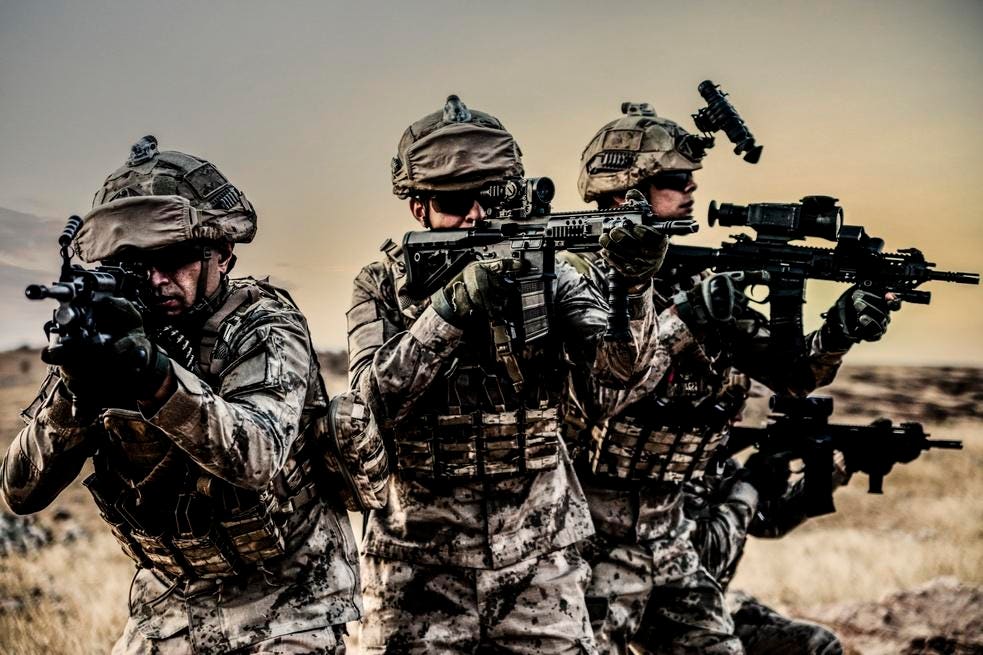
Higher testosterone has been associated with higher levels of aggression and power, thought to be positive attributes of active duty soldiers. getty Secretary of Defense Pete Hegseth has recently announced that active duty male military personnel over age 30 will be screened annually for testosterone levels. As most men’s testosterone levels peak sometime in their 20’s, with a steady but slow decline in the decades that follow, having a so-called testosterone “deficiency” after age 30 can be addressed with testosterone supplementation. While this option will be wholly voluntary, the testing will be incorporated into routine annual physicals of all active military personnel born as male.
Testosterone is a hormone present in both males and females , produced by the male testes and the female ovaries and adrenal glands. In males, it is responsible for testicular growth, sperm production and libido, facial hair, deeper vocal pitch and body hair. It also works to promote bone and muscle strength and density. If testosterone levels are too low, at any age, this can lead to muscle and bone weakness, fatigue, and decline in libido. Testosterone in females is important for ovarian function, libido and bone and muscle health as well.
There are medical conditions in both males and females that occur if testosterone levels are either too high or too low, leading to sexual dysfunction, bone and muscle weakness, and generalized fatigue. In women, high testosterone levels can lead to the condition PMOS , or polyendocrine metabolic ovarian syndrome, previously referred to as PCOS, or polycystic ovary syndrome. This condition, present in up to one in eight premenopausal women, is associated multiple systemic issues, including irregular periods, ovarian cysts and infertility.
PMOS, associated with high testosterone levels in women, is remarkably common and often underrecognized. getty While testosterone supplements for males are not new, the Defense Department is now describing the testosterone testing and treatment initiative as a component of the “High T Department of War” as Hegseth described in a video on July 15, 2026. The concept of “High T” is that higher testosterone levels are associated with strength, virility and ability to be better fighters. Testosterone replacement therapy, or TRT, is a popular medica…