
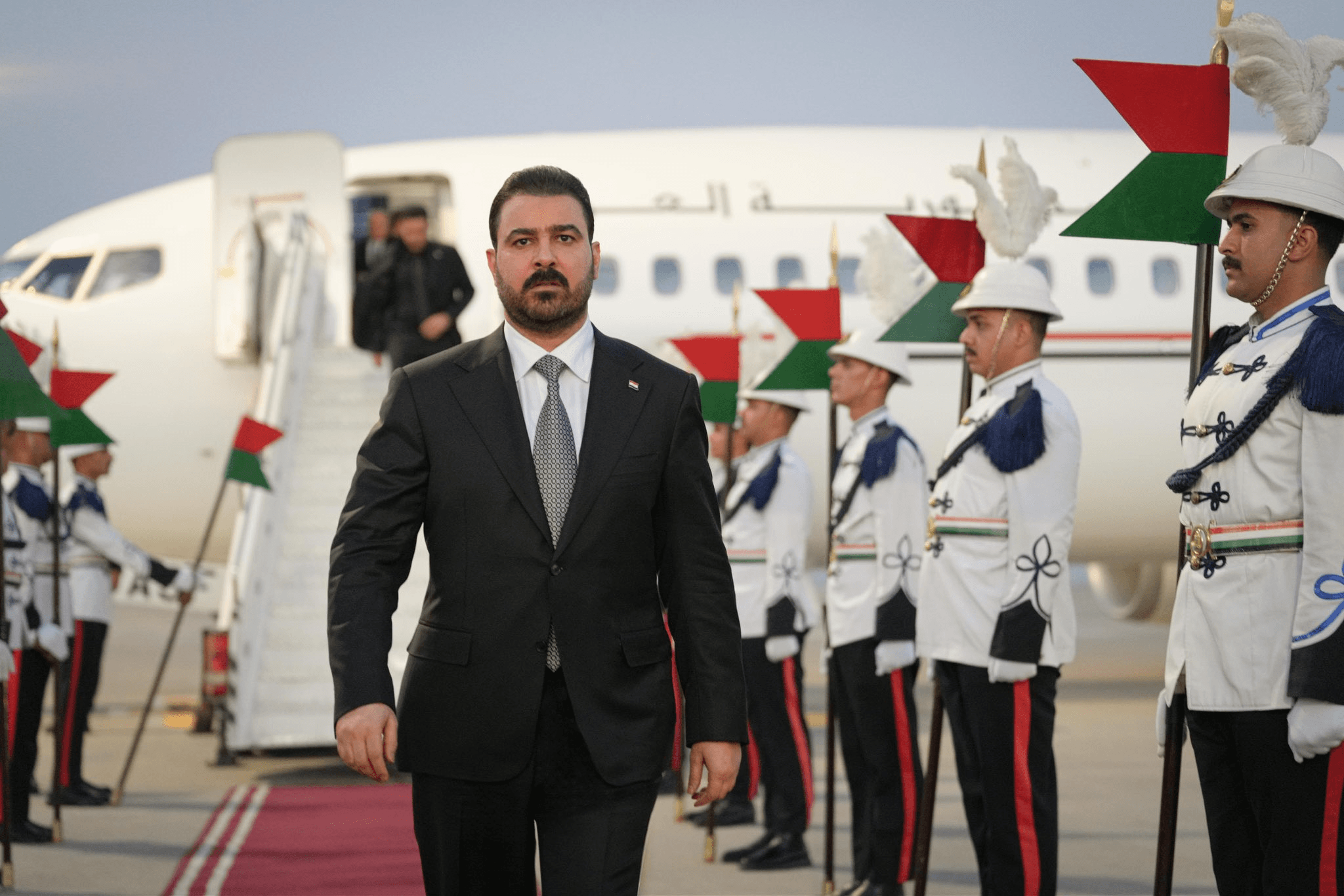
Baghdad (IraqiNews.com) — Fresh off his diplomatic trip to Washington and a brief stopover in Doha, Iraqi Prime Minister Ali Falih al-Zaidi is preparing to land in Tehran on July 23, 2026. The high-stakes visit, highlighted in an analytical report by Al-Mada newspaper, is being viewed as the ultimate litmus test for the sovereign promises al-Zaidi made directly to U.S. President Donald Trump regarding domestic stability and the rule of law.
While historical precedent has typically seen Tehran serve as the mandatory protocol stop for incoming Iraqi prime ministers immediately following a White House invite, al-Zaidi’s itinerary carries deep tactical friction. Well-informed political sources reveal that the Prime Minister will formally ask the Iranian leadership to exert direct, decisive pressure on its allied domestic armed factions to surrender what intelligence circles call the “ballistic card.”
Specifically, Baghdad is demanding that these non-state groups hand over a hidden arsenal estimated to include at least eight ballistic missiles and hundreds of kamikaze drones before the September 30 legal deadline set by the federal cabinet to permanently eradicate unauthorized weapons.
The political stakes for the Prime Minister could not be higher. During his five days in the United States, al-Zaidi secured forty-eight monumental agreements and memorandums of understanding valued at nearly $60 billion—spanning energy deals with Chevron and ExxonMobil, digital infrastructure with Starlink, and an initial compliance framework with the U.S. Treasury to rehabilitate seven restricted domestic banks.
However, diplomatic experts and strategic analysts, including Ihsan Al-Shammari, a professor of international politics at Baghdad University, warn that any failure by al-Zaidi to decisively strip these rogue factions of their heavy weapons will trigger immediate economic blowback from Washington, potentially freezing the multi-billion-dollar corporate contracts.
Al-Shammari pointed out that the volatile drone and missile strikes launched against the Kurdistan Region late Friday night were not merely extensions of the broader U.S.–Iran conflict, but functioned as “preemptive rejection messages” from hardline local factions aiming to destabilize al-Zaidi’s administration.
Intelligence reports obtained by Al-Mada suggest that Baghdad is already moving toward a highly anticipated anti-terror sweep codenamed the “Decisive Operation.” The federal government has reportedly finalized arrest warrants for the specific factional leaders behind the recent Erbil and Sulaymaniyah breaches, vowing to publicly broadcast their identities and utilize proactive preemptive detentions if renegade cells attempt to target foreign oil conglomerates, diplomatic missions, or state bases in the coming days.